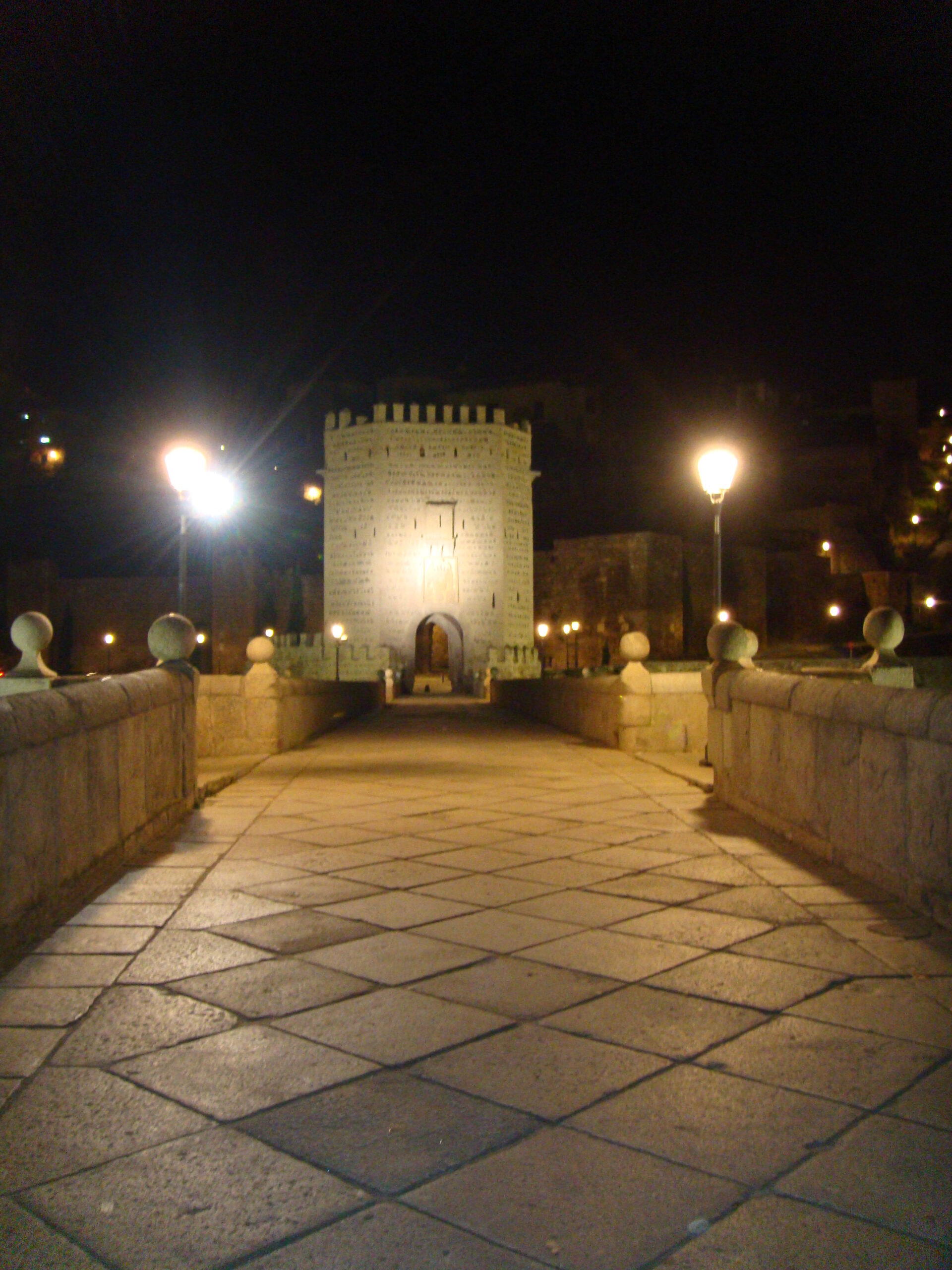
_-_panoramio.jpg)
Event Summary
The capture of Toledo transformed the balance of power in Iberia.
What Happened
In 1085 Alfonso VI of Castile took Toledo, a former Visigothic capital and major Andalusi city. The transfer brought a strategically and symbolically important urban center under Christian rule.
The event happened during the taifa period, when regional Muslim-ruled courts were competing with one another and negotiating with Christian rulers. Toledo's fall exposed how fragile that balance could be.
Why It Matters
Toledo's capture is one of the clearest political turning points in medieval Iberia. It helps explain why some taifa rulers looked south toward the Almoravids, and why frontier politics became increasingly urgent.
It also matters because Toledo is often used as a civilizational symbol rather than a concrete political event. This page pushes in the other direction. The capture changed strategy, prestige, revenue, and alliance calculations across Iberia. Readers understand it best when they see it as a restructuring point in a fragile taifa system, not simply as a trophy city passing from one religion to another.
What Changed
Castile gained a major city and a powerful prestige claim. Muslim-ruled polities faced sharper military and diplomatic pressure, setting the stage for the Almoravid intervention at Sagrajas/Zallaqa in 1086.
That pressure was not only military. It affected tribute, negotiation, legitimacy, and how rulers judged the risks of relying on Christian alliances or outside Maghrebi rescue. In that sense, Toledo's fall changed the political imagination of the period as much as the map.
Evidence Frame
The date and broad political result are secure, but later narratives can turn Toledo into a simple civilizational symbol. Stronger reading asks what changed in rule, tribute, urban life, and frontier strategy.
Toledo is best read as a restructuring event rather than an isolated conquest scene. Its effects unfolded through administration, diplomacy, and pressure cascades across taifa polities.
Readers should also resist the temptation to treat symbolic importance as explanation by itself. Toledo mattered because of its urban weight, strategic position, and cascading political effects, not only because later memory made it iconic.
What This Event Should Teach
This event should teach readers to look for cascade effects in political history. Toledo's capture mattered not because one city simply changed rulers, but because that change restructured diplomacy, tribute, fear, and outside intervention across Iberia. Once readers see those knock-on effects, the event becomes more than a conquest date.
Related Reading
- Taifa politics and tribute diplomacy.
- Alfonso VI, Toledo, and the frontier.
- Sagrajas/Zallaqa as the next major response.