
Place Summary
Capital of the Nasrid Emirate and final Muslim-ruled polity in Iberia.
Why This Place Matters
Granada matters because it turns the end of Muslim rule in Iberia into a lived political landscape rather than a single date. It was a Nasrid capital, a diplomatic survivor, a courtly and architectural center, and later a major site of memory around 1492.
Readers should use Granada as both a place and a timeline anchor. It connects Nasrid politics, the Alhambra, cross-strait diplomacy, Christian conquest, forced conversion policies, Morisco history, and modern heritage.
Historical Context
The Nasrid Emirate survived from the thirteenth century until 1492 through tribute, diplomacy, defensive geography, court politics, and shifting relationships with Castile, Aragon, and North African powers. Granada was not isolated; it belonged to a wider western Mediterranean and Maghrebi world.
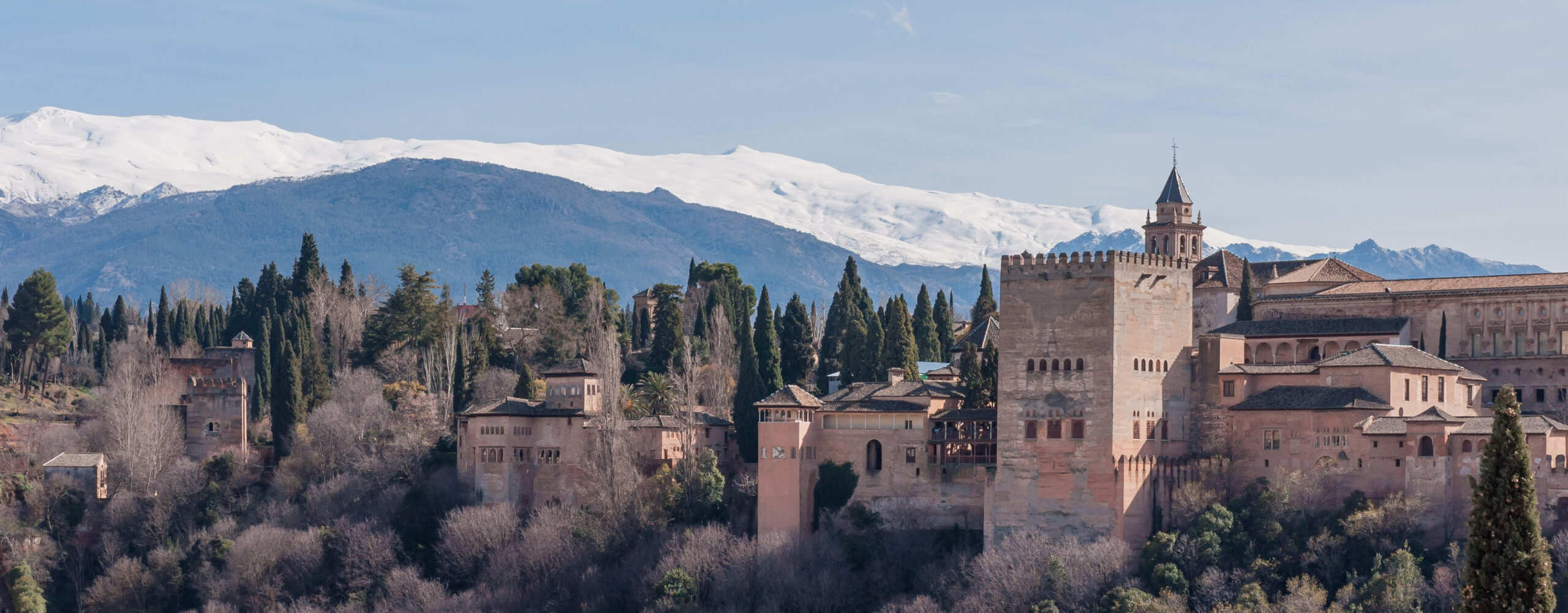
The featured image, showing the Alhambra from the Albaicin, is valuable because it makes geography visible. Palace, city, hills, water, and defensive position all matter for understanding Nasrid survival.
Granada is especially useful because it stops the story from ending too early. It shows that late Muslim Iberia was not just a prolonged collapse after earlier greatness. It was a living political and cultural world with its own strategies, constraints, and forms of production. That is the frame readers need before they interpret the Alhambra or the events of 1492.
Visual Reading Notes
Granada images often invite nostalgia or romantic simplification. Read them historically instead.
Useful questions:
- Is the image showing Nasrid architecture, later Christian reuse, or modern heritage framing?
- Does the view explain defense, court display, urban life, or tourism memory?
- Which stories are absent when Granada is reduced to the Alhambra alone?
Evidence Frame
Granada has a strong evidence base, but it is also heavily mythologized. Separate the documented Nasrid polity from later claims about loss, romance, purity, betrayal, or identity.
That caution matters because Granada attracts both nostalgia and polemic. A page about Granada should always make clear whether it is discussing Nasrid governance, conquest, Morisco aftermath, architectural memory, or modern heritage tourism.
Readers should also resist letting the Alhambra consume the rest of the city. Palace memory is powerful, but Granada mattered as an urban system with neighborhoods, water, diplomacy, faction, labor, and post-conquest transformation. The page is strongest when the city remains larger than its most famous monument.
What to Look For
- Nasrid political survival and court faction.
- The Alhambra as palace, fortress, and symbolic program.
- Connections with the Maghreb and late medieval diplomacy.
- 1492 as a turning point, not the end of every social process.
- Morisco policies and memory after conquest.
What This Place Should Teach
Granada should teach readers that famous endings are still lived environments. The city matters because sovereignty, palace symbolism, urban continuity, coercive aftermath, and modern memory all overlap there. Once those layers are separated, Granada becomes more than a romantic last chapter.