
Ibn Tumart was the religious reformer whose teachings and authority claims launched the Almohad movement. He matters because the empire that followed cannot be understood without the reformist message, community formation, and opposition to Almoravid authority associated with him.
Why This Person Matters
Ibn Tumart helps readers see how a movement of religious correction became the foundation for a new political order in the Maghreb and al-Andalus. His memory also shaped later Almohad legitimacy after Abd al-Mu'min turned the movement into a state.
He is a high-value figure for the site because he prevents readers from treating the Almohads as just another dynasty label. Before there was an Almohad empire, there was a reform program, a community, a discipline regime, and a claim about who had the right to define correct belief and leadership.
Historical Context
Read this profile through the High Atlas and wider Maghrebi setting of the early twelfth century, when reformist preaching, tribal alliances, and opposition to the Almoravids could become politically explosive. Almohad history begins as a movement before it becomes an imperial story.
That sequence matters. Ibn Tumart belongs to the phase when doctrine, communal identity, and geography were still being consolidated in mountain settings like Tinmal. The later imperial reach into Marrakesh, Seville, and beyond should not be projected backward as if the movement began with a finished state apparatus.
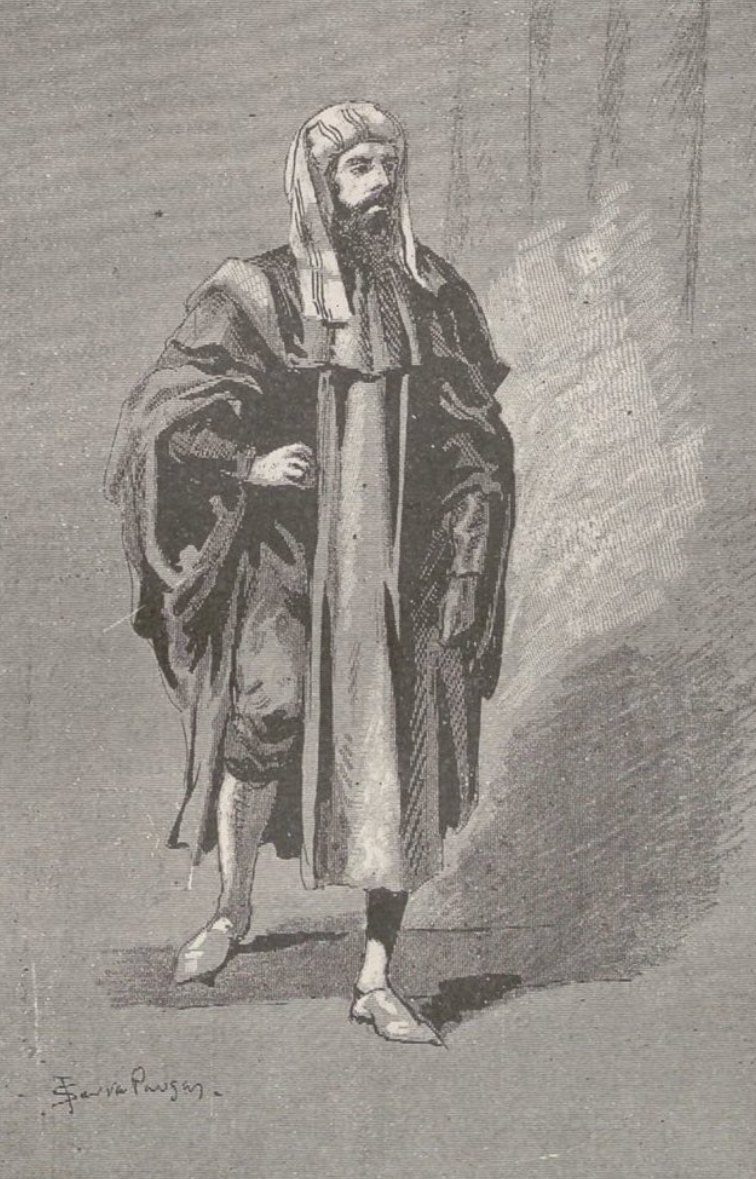
The featured image is a much later engraving. As with many premodern religious-political founders, later representation tells us more about memory and typology than about documented appearance. The useful question is not whether the image is accurate, but what kind of founder later artists wanted viewers to see.
What We Can Say With Care
The record supports Ibn Tumart's importance as founder and ideological center of the Almohad movement. Reports about charisma, doctrine, and miracle-like authority should be read through later Almohad memory as well as historical reconstruction.
It is also fair to say that his importance lies not only in personal preaching but in category-making. He helped define the terms through which later Almohad power justified itself: reform, correction, disciplined community, and legitimate leadership over rivals judged deficient.
Evidence Limits
Names, titles, spellings, and reputations often shift across Arabic, Latin, Romance, Hebrew, and modern scholarly traditions. Treat exact anecdotes cautiously unless a source trail is clear. Almohad memory invested Ibn Tumart with legitimating authority, so claims about his charisma and doctrine need careful source framing.
Readers should be especially cautious with retrospective certainty. Sources shaped under Almohad rule had strong incentives to present the founder as more coherent, more inevitable, and more uniformly authoritative than the messy formation of a real movement may have been.
This is also a page where doctrine can become oversimplified. A good profile should not reduce Ibn Tumart to one slogan or one reform point. His significance lies in how teaching, communal discipline, leadership claims, and anti-Almoravid critique were fused together.
What To Watch For
- Movement before empire.
- Reform language as a claim to authority, not just private devotion.
- Tinmal and the High Atlas as formative settings.
- Later Almohad memory shaping how the founder is described.
Connected Reading
Start with Tinmal and the Almohad reform article, then move to Abd al-Mu'min and Marrakesh to see how a reform movement became an empire. Alarcos shows the later military reach of a movement whose authority claims began with Ibn Tumart.