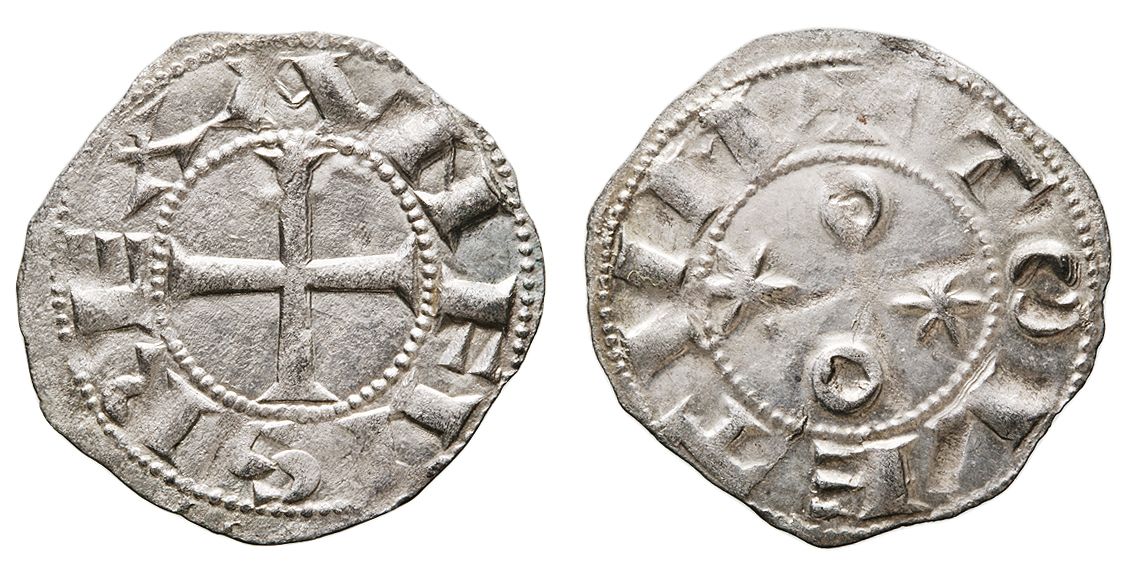

Alfonso VI of Castile was the Castilian-Leonese ruler whose capture of Toledo and pressure on taifa kingdoms helped trigger a new phase of Iberian and Maghrebi conflict. He matters because his reign reshaped the political choices facing Muslim rulers in al-Andalus.
Why This Person Matters
Alfonso VI helps readers understand the world of parias, alliances, frontier warfare, and shifting urban control before the Almoravid intervention. His page is important because Christian rulers were active participants in the history of al-Andalus, not background figures outside it.
He is especially useful because he turns abstract pressure into a named political problem. Taifa fragmentation, tribute extraction, and cross-confessional diplomacy all become easier to understand when readers can see how one Castilian ruler leveraged them. Alfonso VI helps explain not just conquest, but the conditions that made Maghrebi intervention thinkable.
Historical Context
Read this profile through the eleventh-century taifa period, when Muslim and Christian rulers negotiated, fought, paid tribute, and changed sides as conditions required. The fall of Toledo in 1085 became a major turning point because it altered both strategy and imagination.
Alfonso VI's reign is best understood through negotiated power as much as battlefield outcomes. Tribute extraction, alliance pressure, and symbolic claims over major cities all shaped the choices facing taifa courts.
The coin used as the featured image is a stronger evidentiary cue than a later heroic portrait would be. It points readers toward rulership, fiscal presence, and political circulation rather than toward retrospective epic memory. For Alfonso VI, that is useful because his importance lies in the changing structure of power as much as in named military episodes.
What We Can Say With Care
The record supports Alfonso VI's importance in the changing balance of power in Iberia. The page should avoid flattening taifa politics into a simple religious binary; practical diplomacy and political advantage often crossed confessional lines.
It also helps to distinguish immediate military events from long-run administrative effects. Toledo's capture mattered not only as conquest, but as a restructuring point in regional political economy.
It is also careful to say that Alfonso VI mattered differently to different actors. For some taifa rulers he was a threat, for some a negotiating partner, and for later chroniclers a symbol. Keeping those roles separate improves the historical picture.
Evidence Limits
Names, titles, spellings, and reputations often shift across Arabic, Latin, Romance, Hebrew, and modern scholarly traditions. Treat exact anecdotes cautiously unless a source trail is clear. Alfonso's role is best studied through concrete shifts in tribute, urban control, and alliances rather than as a symbolic representative of a single religious bloc.
Readers should be especially cautious with stories that turn him into either the inevitable conqueror of a civilizational story or a purely religious foil. The evidence is stronger when it tracks policy, urban transfer, and negotiated power than when it leans on later identity rhetoric.
What To Watch For
- Toledo as political restructuring, not just city conquest.
- Tribute, pressure, and alliance as tools of power.
- Christian rulership inside the history of al-Andalus, not outside it.
- How Castilian pressure helped open the way for Almoravid intervention.
Connected Reading
Use Toledo in 1085 as the turning point, then follow Sagrajas and Yusuf ibn Tashfin to see how Castilian pressure helped trigger Almoravid intervention. The taifa and diplomacy articles keep the story grounded in political practice rather than a simple binary.