Black History Bridge to Moor History

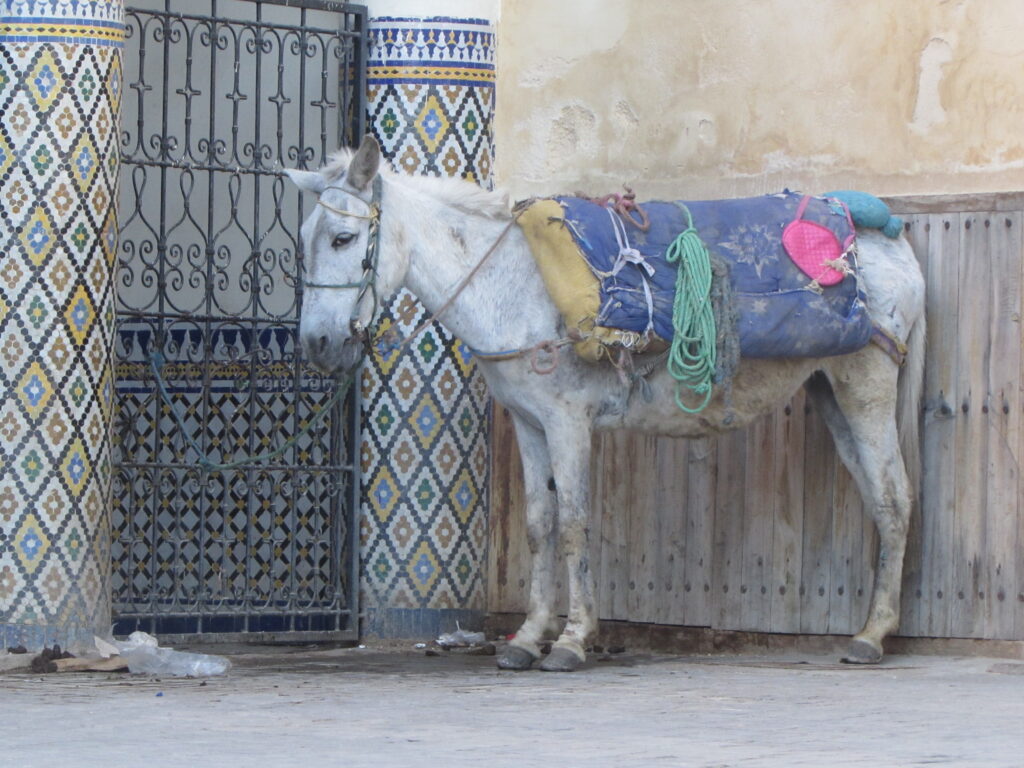
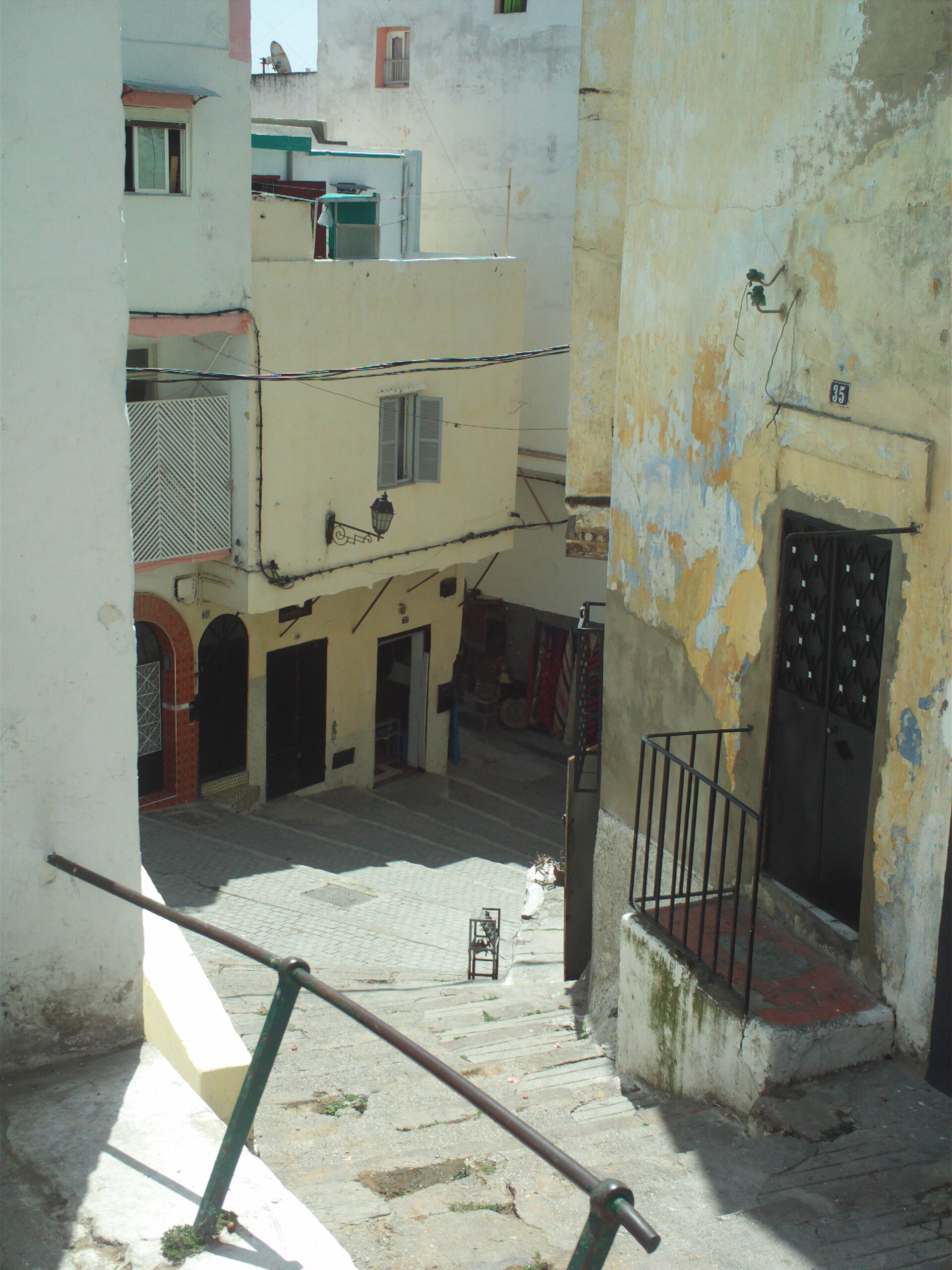
A lane descending through the medina of Tangier.

Purpose

This reading list helps readers who arrive through Black history fact lists, videos, and public education find a responsible path into Moorish history. It honors the interest while keeping the site anchored in periods, places, sources, and carefully framed claims.

How to Read This List

Read the bridge article first, then the fact-list method page. After that, move through terminology, North Africa, the Sahara, race and identity language, and claim checks. Use the source records when a page raises a question that needs deeper evidence.

Editorial Goal

The goal is not to flatten Moor history into one modern identity category. The goal is to show readers where African, North African, Saharan, West African, Islamic, Mediterranean, Iberian, and modern identity histories genuinely meet, and where the evidence asks for narrower wording.

What This Route Avoids

  • Copying fact-list text into Moor History Center as if memorable wording were source evidence.
  • Treating African, North African, Saharan, West African, Mediterranean, and Iberian histories as interchangeable.
  • Turning medieval Muslim, Amazigh/Berber, Arab, Andalusi, Saharan, or West African identities into one modern racial category.
  • Using a modern public-education source where a primary source, translation, archive record, or specialist study is needed.

Next Route

After this bridge, most readers should continue into Moor History 101 or The Maghreb Behind the Moors. Readers focused on public claims should go next to Myths vs Evidence.
Reading Order

  1. ArticleBlack History and Moor History: A Source-Aware Bridge

    Start here to understand how MoorOfUS connects reader interest in Black history to evidence-first Moorish history.

  2. ArticleAfrican History Fact Lists: How to Read Them Evidence-First

    Use this method page before turning a memorable fact-list item into a historical claim.

  3. ArticleWho Were the Moors?

    Anchor the route in terminology before moving into regions, dynasties, and identity questions.

  4. ArticleThe Maghreb Before al-Andalus: Late Antique North Africa in Brief

    Place North Africa inside African and Mediterranean history before the Iberian crossing.

  5. ArticleTrans-Saharan Connections: Gold, Slavery, Scholarship

    Follow the Sahara and Sahel route for gold, scholarship, slavery, pilgrimage, and long-distance exchange.

  6. ArticleRace, Religion, and Identity: Common Anachronisms Explained

    Slow down modern race and identity language before applying it to medieval evidence.

  7. ClaimMyth: The Moors Were a Single People/Race

    Review the claim structure so broad identity language becomes specific and testable.

  8. ClaimMyth: All Iberian Muslims Were African

    Use this as a guardrail against collapsing religion, geography, ancestry, and political identity.

  9. SourceWalker, Robin / The Black Secret Education Project. 100 Black History Facts

    Treat this as the public-education entry point, not the final authority.

  10. SourceLevtzion and Hopkins, Corpus of Early Arabic Sources for West African History

    Use translated Arabic source material when moving from modern interest into medieval West African evidence.

Sources

Brett and Fentress, The Berbers

Brett, Michael, and Elizabeth Fentress. The Berbers. The Peoples of Africa. Oxford: Blackwell Publishers, 1997.

Quality: High

Use for Berber-speaking peoples, North African social history, Islamization, Arabization, and identity change across long periods. Pair with period-specific sources for Almoravid, Almohad, or Andalusi claims.

Open External Source

Levtzion and Hopkins, Corpus of Early Arabic Sources for West African History

Levtzion, Nehemia, and J. F. P. Hopkins, eds. Corpus of Early Arabic Sources for West African History. Translated by J. F. P. Hopkins. Princeton, NJ: Markus Wiener Publishers, 2000. Originally published by Cambridge University Press, 1981.

Quality: High

Use as a translated source collection for Arabic geographers and historians writing about West Africa, the Sahara, Islamization, trans-Saharan trade, and the Almoravid movement. Treat each translated author as a source with its own date and limits.

Open External Source

Hunwick, Timbuktu and the Songhay Empire

Hunwick, John O., trans. and ed. Timbuktu and the Songhay Empire: Al-Sadi's Tarikh al-Sudan down to 1613 and Other Contemporary Documents. Islamic History and Civilization 27. Leiden: Brill, 1999.

Quality: High

Use for Timbuktu, Jenne, Songhay, Moroccan Sa'dian expansion, Middle Niger scholarship, and West African Islamic literary history. Pair with broader African medieval histories when comparing regions.

Open External Source

Fauvelle, The Golden Rhinoceros

Fauvelle, Francois-Xavier. The Golden Rhinoceros: Histories of the African Middle Ages. Translated by Troy Tice. Princeton, NJ: Princeton University Press, 2018.

Quality: High

Use for broad medieval African framing, archaeology plus written sources, and the idea that Africa belonged to the connected medieval world. Pair with more specialized sources for narrow West African, Maghrebi, or Andalusi claims.

Open External Source

Partner learning path

Moor history and Muur foundations work best as related, distinct paths.

MoorofUs.org focuses on Moor history and historical context. TheFoundationsOf.us explores foundations, Muur history, ancestral memory, place-based research, and community learning. Use both sites together to move from sourced history into deeper identity and foundation research.

Independent support

Help keep this work independent

This article is part of an independent cultural learning network built around source-aware storytelling, careful research, and responsible public education. Support helps fund source notes, timelines, corrections, research guides, and continued publishing.

Organizations, educators, publishers, bookstores, archives, creators, and cultural institutions can also become self-serve sponsors of the network.