.jpg)
Definition
Mudejar can refer to Muslims living under Christian rule in medieval Iberia, and later to artistic or architectural forms associated with Islamic-influenced craft under Christian patronage.
Because the word carries both a people-status meaning and an art-historical meaning, readers should specify which one is intended.
Historical Usage
As a people term, Mudejar depends on the legal and political setting after Christian conquest of a place. It is not simply another word for Moor.
The term is most useful when it points to Muslims living under Christian rule before later forced conversion changed the legal and social framework around them.
Modern Usage
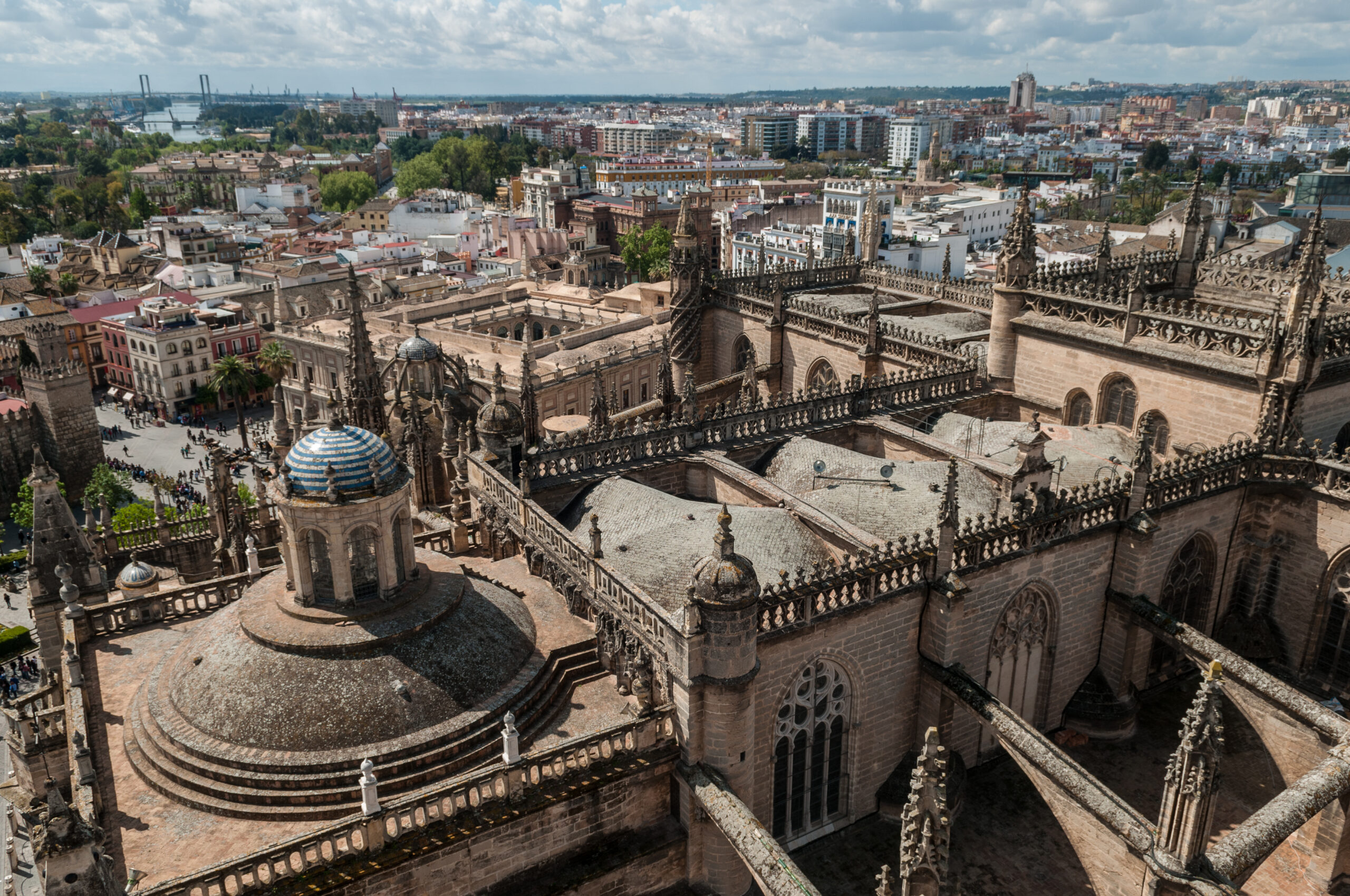
Art historians also use Mudejar for buildings, ceilings, ceramics, and ornament produced in Christian-ruled contexts with Islamic-derived techniques or aesthetics.
That usage is valid, but it is not identical to the social-history meaning. A Mudejar ceiling is not the same kind of claim as a reference to Mudejar communities.
Common Confusion
Mudejar and Morisco are not interchangeable. The conversion policies of the sixteenth century changed categories, rights, surveillance, and risks.
Another common mistake is assuming that Mudejar art means Muslim political rule was still in place. In many cases the term refers to Islamic-influenced craft under Christian patronage after conquest.
Reader Rule
When you see Mudejar, ask:
- does this mean a legal-social community under Christian rule?
- or does it mean an artistic style or craft tradition?
That one distinction prevents a great deal of confusion.