Why Knowledge History Matters
Moorish history is often introduced through architecture or conquest, but learning is just as central. Libraries, schools, mosques, courts, physicians, philosophers, translators, jurists, astronomers, scribes, and book collectors shaped the western Islamic world.
This history is not best told as a list of inventions. It is better read as a network: who taught, copied, debated, translated, preserved, challenged, and reused knowledge.
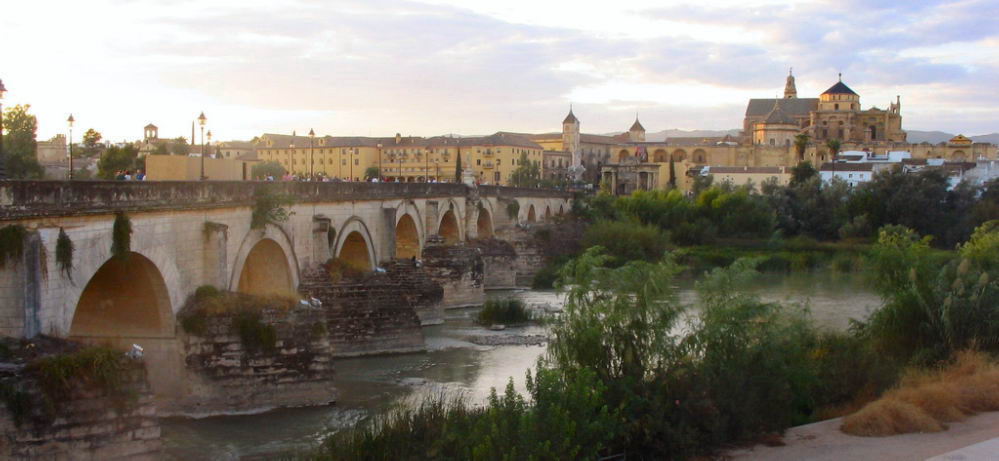
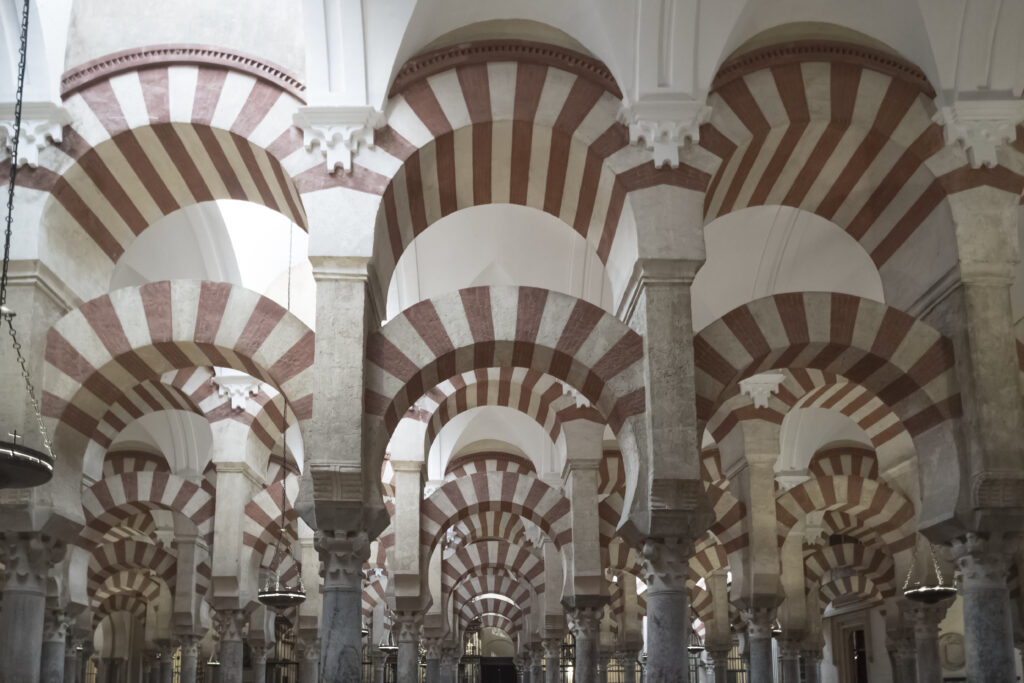
Cordoba and Book Culture
Cordoba became a major cultural and political center under Umayyad rule. Court patronage, libraries, scribal labor, poetry, administration, and scholarly exchange all mattered.
The strongest claim is not that Cordoba alone "saved civilization." The stronger claim is that Cordoba belonged to a larger Arabic-reading world where books, teachers, and institutions made knowledge portable.
Medicine and Surgery
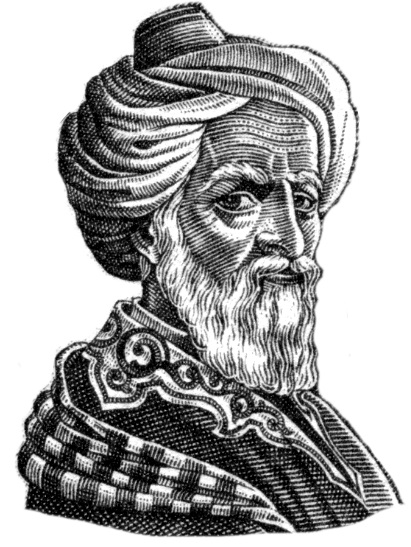
Al-Zahrawi is one of the most important medical figures associated with al-Andalus. His surgical writing became part of later Latin medical learning.
That does not mean every later medical development came from one person or one place. It means readers should track texts, translations, manuscripts, teaching contexts, and later reception.
Philosophy and Debate
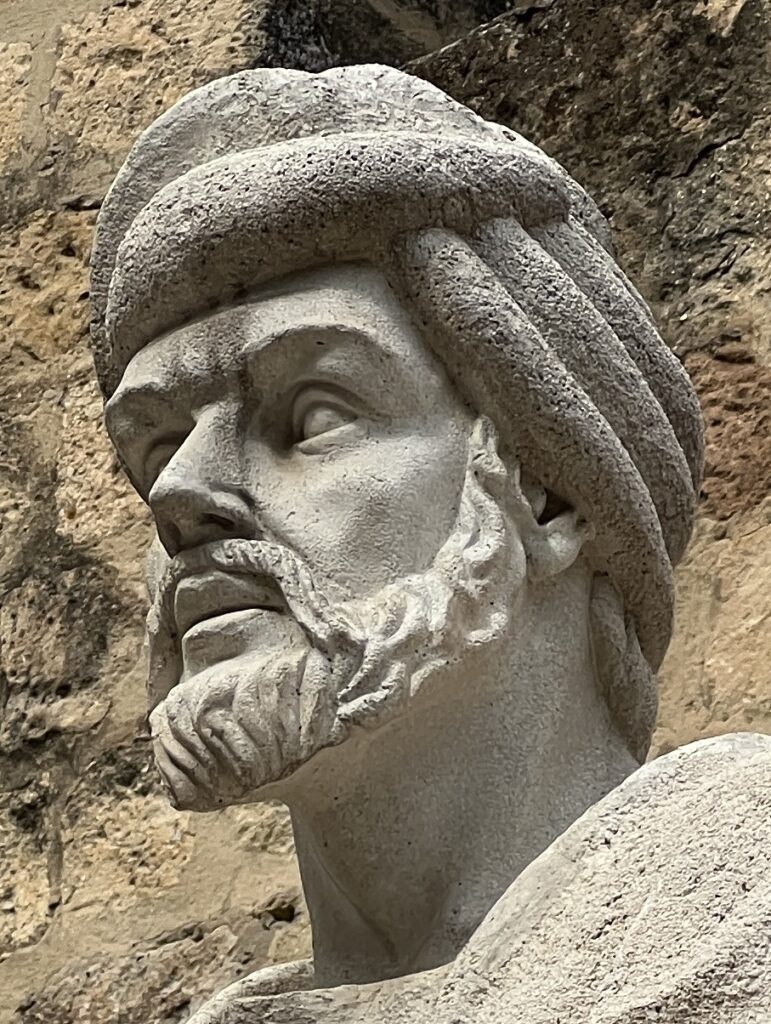
Ibn Rushd matters because his work sits at the intersection of philosophy, law, religion, Aristotle, translation, and later Latin reception. He should not be treated as a generic symbol of "tolerance" or "reason" without context.
The evidence is richer when readers ask what he argued, who read him, who opposed him, and how later traditions transformed his reputation.
History and Social Theory
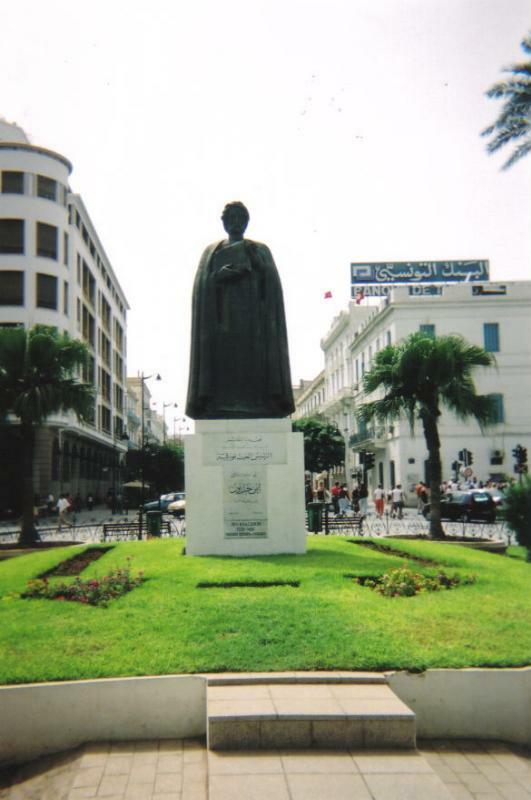
Ibn Khaldun belongs to a later North African intellectual world. His Muqaddimah is important for historical method, political power, group solidarity, dynasties, and social explanation.
He is often quoted as a modern-sounding thinker. That can be useful, but only if readers remember that his categories belong to his own time, language, and political setting.
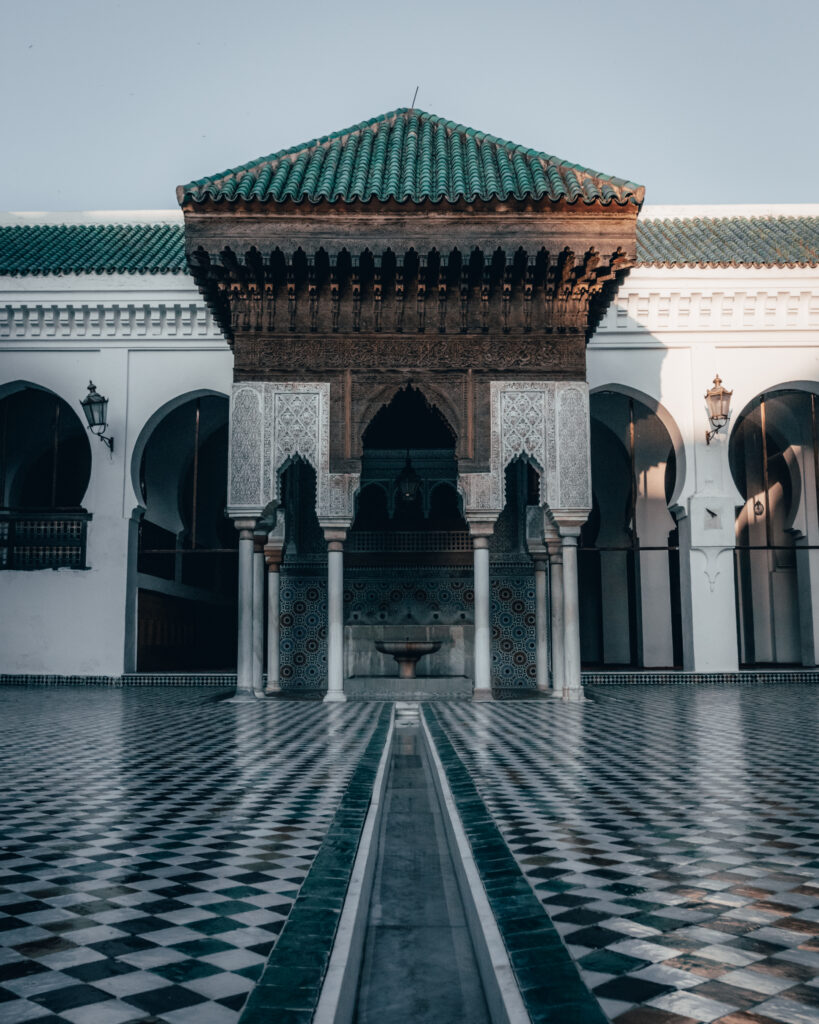
Fez and al-Qarawiyyin
Fez and al-Qarawiyyin are essential to the Maghrebi learning route. They connect urban life, religious education, legal scholarship, memory, and institutional continuity.
Claims about "the oldest university" should be handled carefully. The safer wording is to describe al-Qarawiyyin as a major, long-lived center of Islamic learning whose institutional history needs precise definitions.
Translation and Latin Europe
Arabic knowledge entered Latin-reading contexts through translation, adaptation, teaching, and debate. Toledo and other centers matter, but translation was not a single event.
The key point is transmission. Texts moved, changed language, changed audience, and entered new intellectual arguments.
Evidence Frame
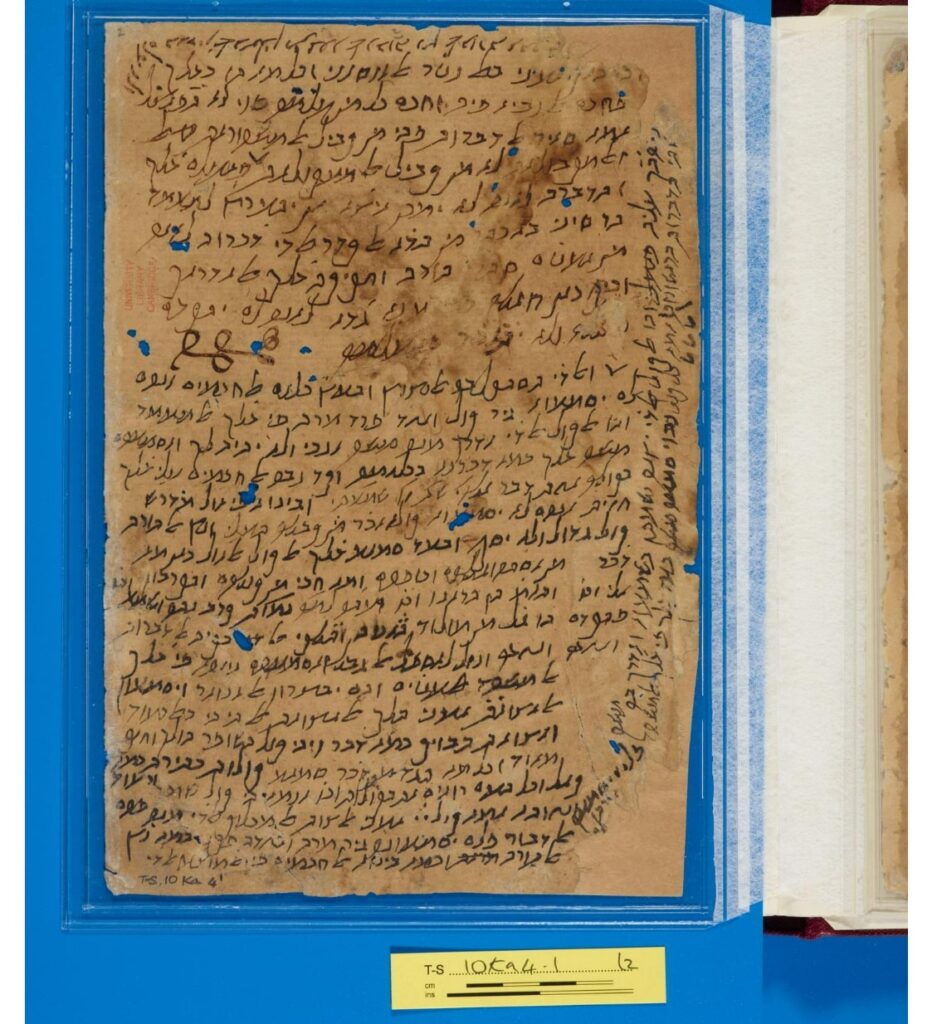
Intellectual history is strongest when it follows named texts, known scholars, institutions, manuscripts, translations, and reception. It is weakest when it becomes a list of unsourced "firsts" or invention claims.
Sources and Further Reading
- Kennedy, Hugh. Muslim Spain and Portugal
- Catlos, Brian A. Kingdoms of Faith
- Averroes. The Decisive Treatise
- Averroes. The Incoherence of the Incoherence
- Irwin, Robert. Ibn Khaldun: An Intellectual Biography
- Rosenthal translation of Ibn Khaldun's Muqaddimah
- Spink and Lewis. Albucasis on Surgery and Instruments
- Tazi. Jami' al-Qarawiyyin