Editorial Summary
Battles in al-Andalus can help readers understand conquest, state formation, frontier pressure, dynastic change, and later memory. But battle stories also attract myths. A single battle rarely explains centuries of history by itself.
This page treats battles as turning points only when the evidence supports the wider political consequence. A defeat, victory, raid, or siege has to be read with geography, logistics, alliances, chronology, and source genre.
Conquest and Early Memory
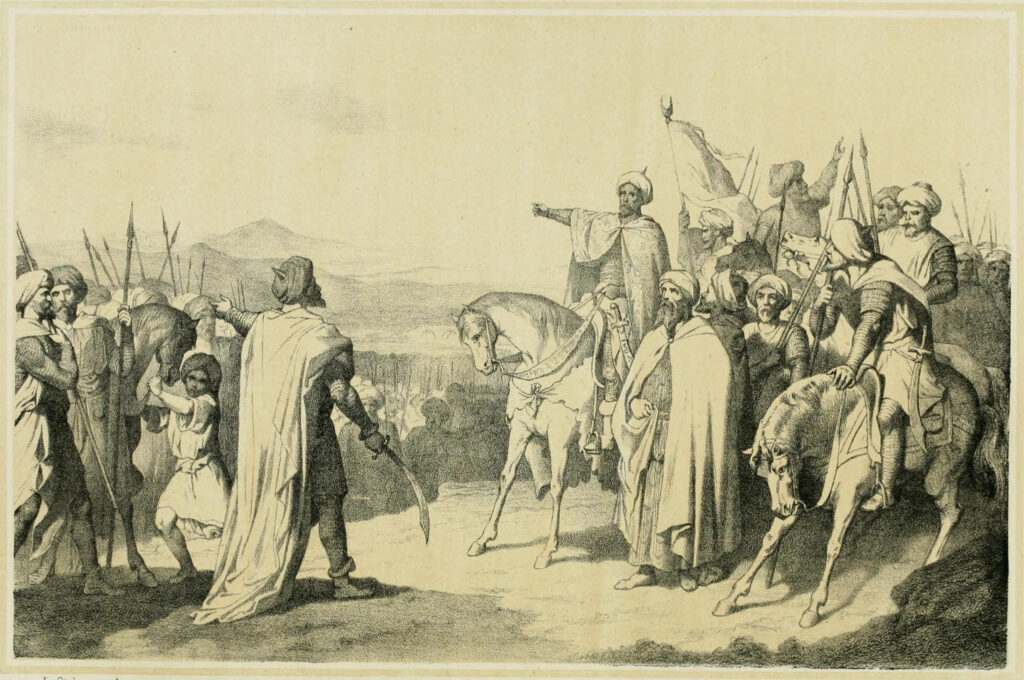
The 711 crossing into Iberia and the battle usually associated with Guadalete matter because they open the political sequence of Muslim rule in Iberia. They should not be inflated into a simple story about one people conquering another people forever.
Early narratives were shaped by later memory, political needs, and uneven sources. That does not make them useless. It means the page needs to separate the event from later storytelling.
Frontier Battles and Political Pressure
Battles such as Sagrajas/Zallaqa, Alarcos, Las Navas de Tolosa, and Rio Salado mattered because they changed leverage. They shaped dynastic confidence, alliance-making, frontier control, and the balance between Iberian and Maghrebi powers.
Still, they did not end history overnight. Political systems often continued after military defeat, and victories could create new problems.
Raids, Sieges, and Cities
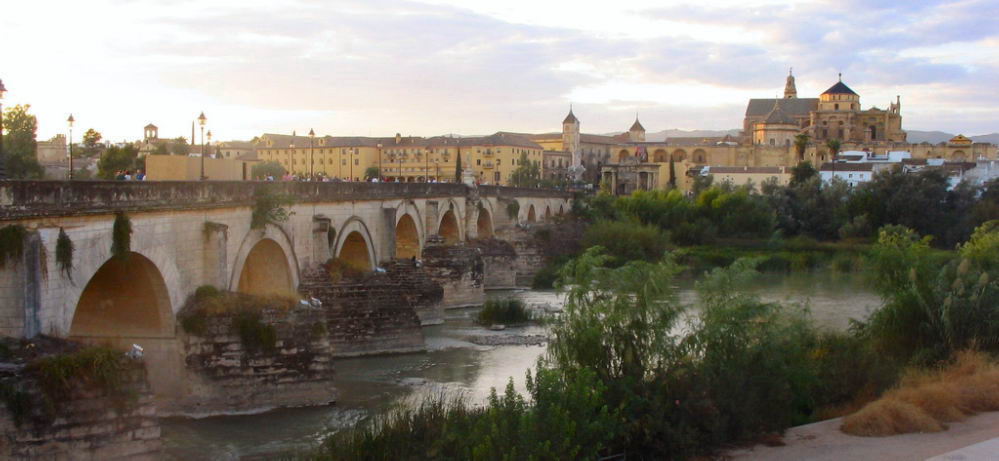
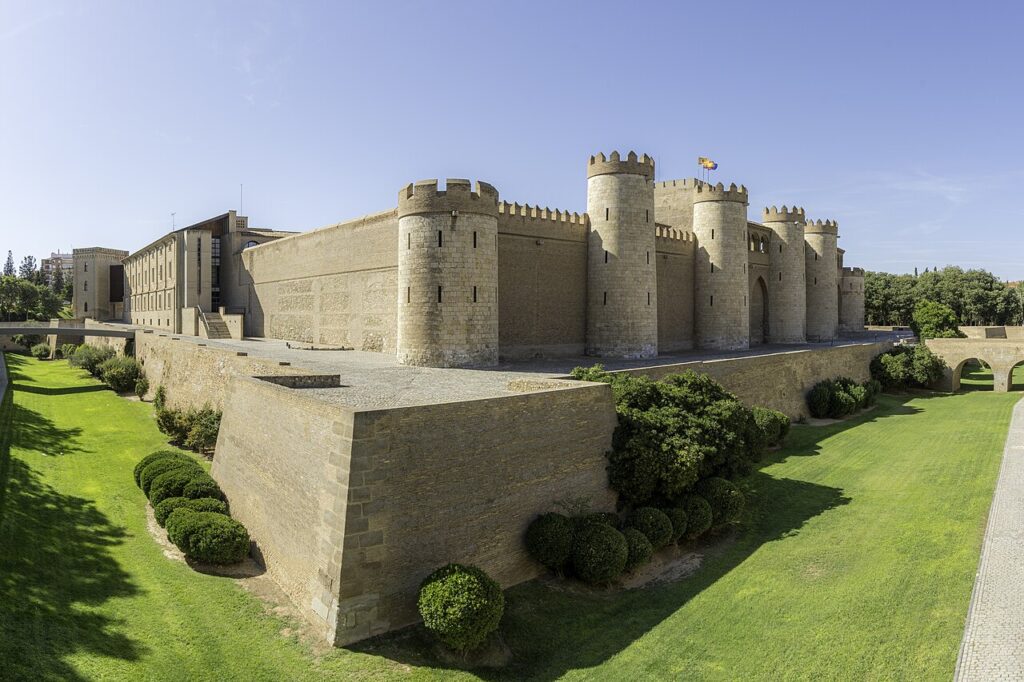
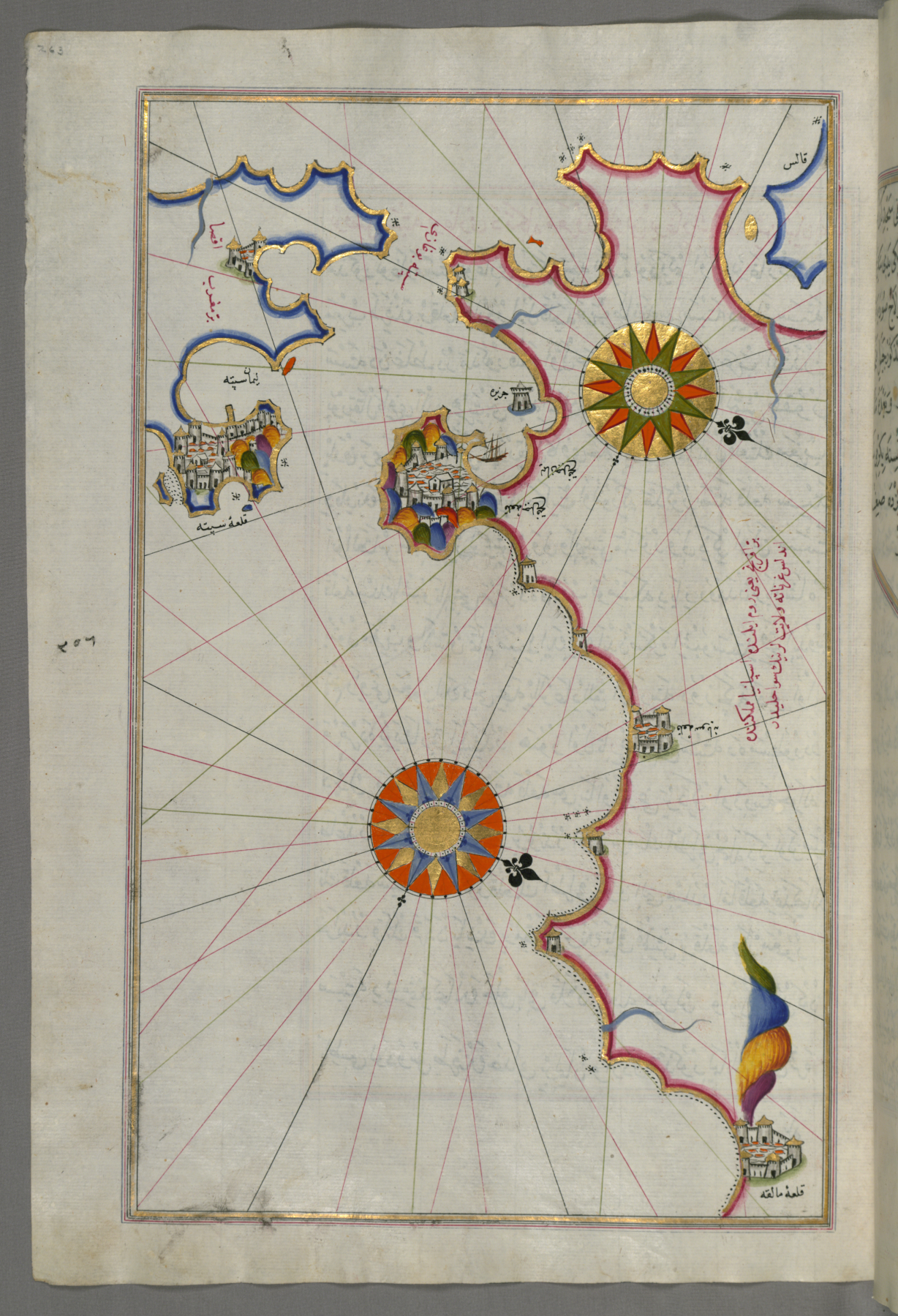
Raids and sieges could matter as much as formal battlefield encounters. Toledo, Zaragoza, Cordoba, Seville, Malaga, and Granada changed hands through long political and military processes, not only single dramatic days.
Urban surrender agreements, tribute, famine, negotiation, and internal division all belong in military history.
Myth Problems
Battle myths often use a single event to explain identity, destiny, racial victory, civilizational decline, or divine judgment. Moor History Center should instead ask what the evidence shows: who fought, where, why, with what allies, and what changed afterward.
Reader Method
When reading a battle claim, ask:
- Which source preserves the event, and how close is it to the event?
- What happened before and after the battle?
- Did the battle change territory, tribute, dynasty, or morale?
- Is the article using one battle to prove too much?
What Sources Let Us Say
The sources let us establish major military events, broad political consequences, and later memory patterns. They are weaker for precise troop numbers, motives, and battlefield details when sources are late or polemical.
Working Conclusion
Battles are useful when they are not made to do all the work. The strongest pages connect military events to institutions, diplomacy, economy, geography, and memory.