Why the Maghreb Belongs at the Center
Moorish history is often introduced through Spain, Portugal, or famous monuments in Iberia. That route is useful, but incomplete. The western Islamic world connected Iberia with North Africa, the Sahara, the Mediterranean, and wider scholarly and commercial networks.
The Maghreb was not a side note. It shaped conquest traditions, state formation, dynastic intervention, religious reform movements, trade routes, intellectual exchange, and later memory. If readers leave North Africa out, they misunderstand al-Andalus.
The Strait as a Connector
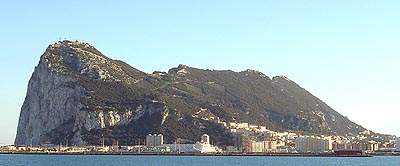
The Strait of Gibraltar was a crossing zone. It linked the Iberian Peninsula with North Africa through movement, conflict, trade, diplomacy, and storytelling. The 711 campaign associated with Tariq ibn Ziyad and Musa ibn Nusayr is the best-known example, but the connection did not end there.
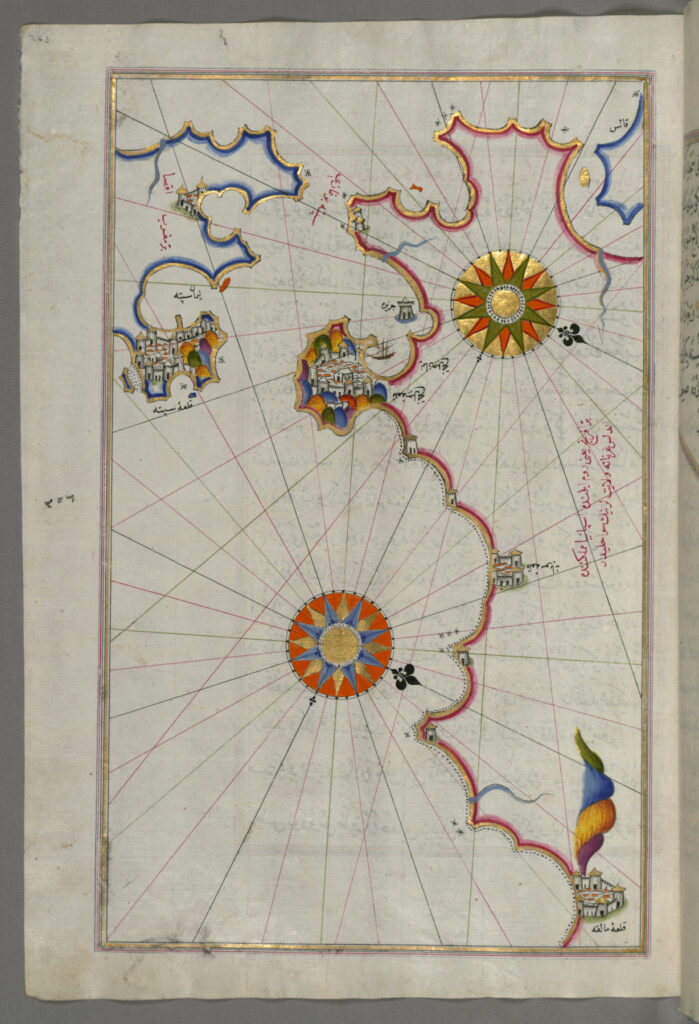
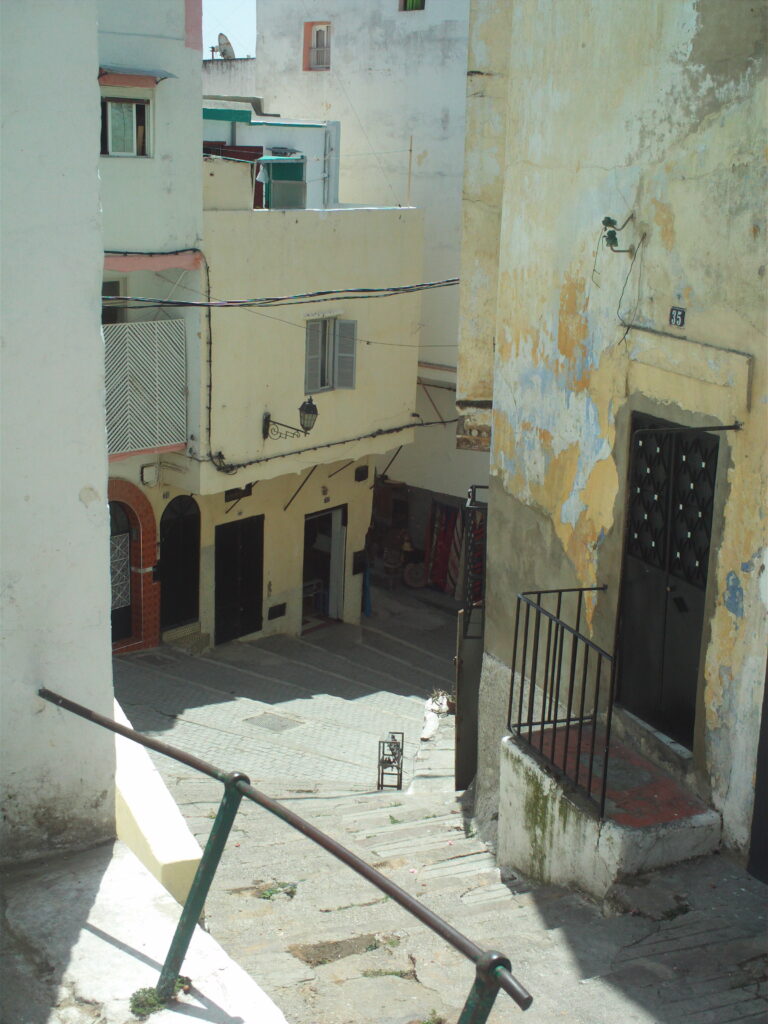
Later dynasties and armies crossed in both directions. Scholars, merchants, captives, artisans, envoys, and texts also moved. This is why places such as Gibraltar, Ceuta, Tangier, Fez, Marrakesh, Cordoba, and Granada belong in one historical map.
Amazigh, Arab, Andalusi, and Other Identities
The people of the Maghreb and al-Andalus cannot be reduced to one label. Amazigh or Berber communities, Arab lineages, Andalusi Muslims, Christians, Jews, enslaved people, freed people, soldiers, scholars, and local converts all appear in different ways across the evidence.
This matters because "African Moors" can be a useful starting phrase only if it leads to more precise questions. Which Africans? Which century? Which place? Which source? Which political or social role? Read Berbers, Arabs, and Andalusis before turning regional history into a single identity claim.
Almoravids and Almohads
The Almoravids and Almohads make the Africa-Iberia relationship impossible to ignore.
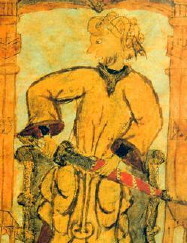
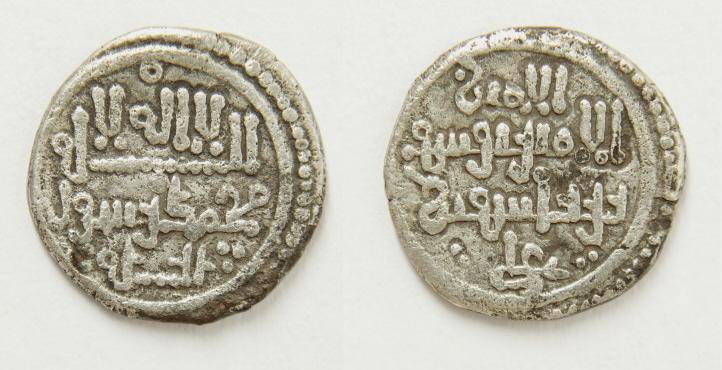
The Almoravids emerged from Saharan and Maghrebi contexts and became powerful enough to intervene in Iberian politics after Christian advances and taifa rivalries. Yusuf ibn Tashfin is central to this phase, especially around the 1086 battle often called Sagrajas or Zallaqa and the later takeover of taifa territories.
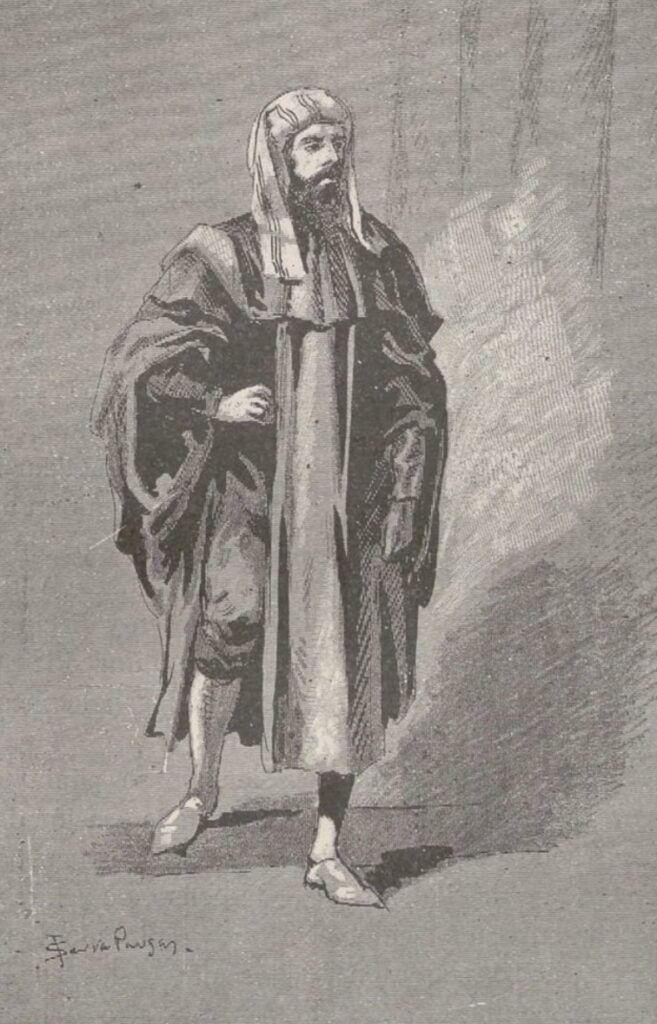
The Almohads began as a reform movement associated with Ibn Tumart and built an empire under successors such as Abd al-Mumin. Their history links Marrakesh, the Maghreb, and al-Andalus through religious reform, imperial administration, architecture, and military conflict. The 1212 battle of Las Navas de Tolosa marks one major turning point, but it should not be treated as the whole story.
Trade, Gold, Slavery, and Scholarship
The Sahara was not empty space. It connected North Africa to West Africa through routes involving gold, salt, enslaved people, manuscripts, scholarship, and political authority. These routes did not make al-Andalus identical with West Africa, but they do show that Moorish history sits inside broader African and Mediterranean systems.
Use caution here. Trans-Saharan history is often pulled into modern fact lists or identity claims. Some claims are supportable; others need stronger source review. Start with Trans-Saharan Connections and source records such as Fauvelle, The Golden Rhinoceros and Levtzion and Hopkins, Corpus of Early Arabic Sources.
Cities as Learning Anchors
Fez and Marrakesh help readers understand the Maghreb as an intellectual and political landscape. Kairouan points toward earlier North African Islamic history. Cordoba and Granada anchor al-Andalus. These cities were not interchangeable, but together they show how power, learning, architecture, and memory moved across regions.
When browsing the site, use place pages as anchors. They help prevent abstract claims from floating away from geography.
Evidence Limits
The evidence for Africa-Iberia connections is strong at the level of geography, dynasties, trade, military intervention, scholarly networks, and named places. It is weaker when modern claims demand simple answers about race, ancestry, or legal identity across every period.
The evidence supports real African centrality. It does not support making every Moorish person, object, building, or later memory mean the same thing.
Suggested Route
- The Maghreb Before al-Andalus
- Al-Andalus vs Morocco
- Almoravids: Sahara to Iberia
- Almohads: Reform, Empire, Aftermath
- Trans-Saharan Connections
- Cities of Knowledge