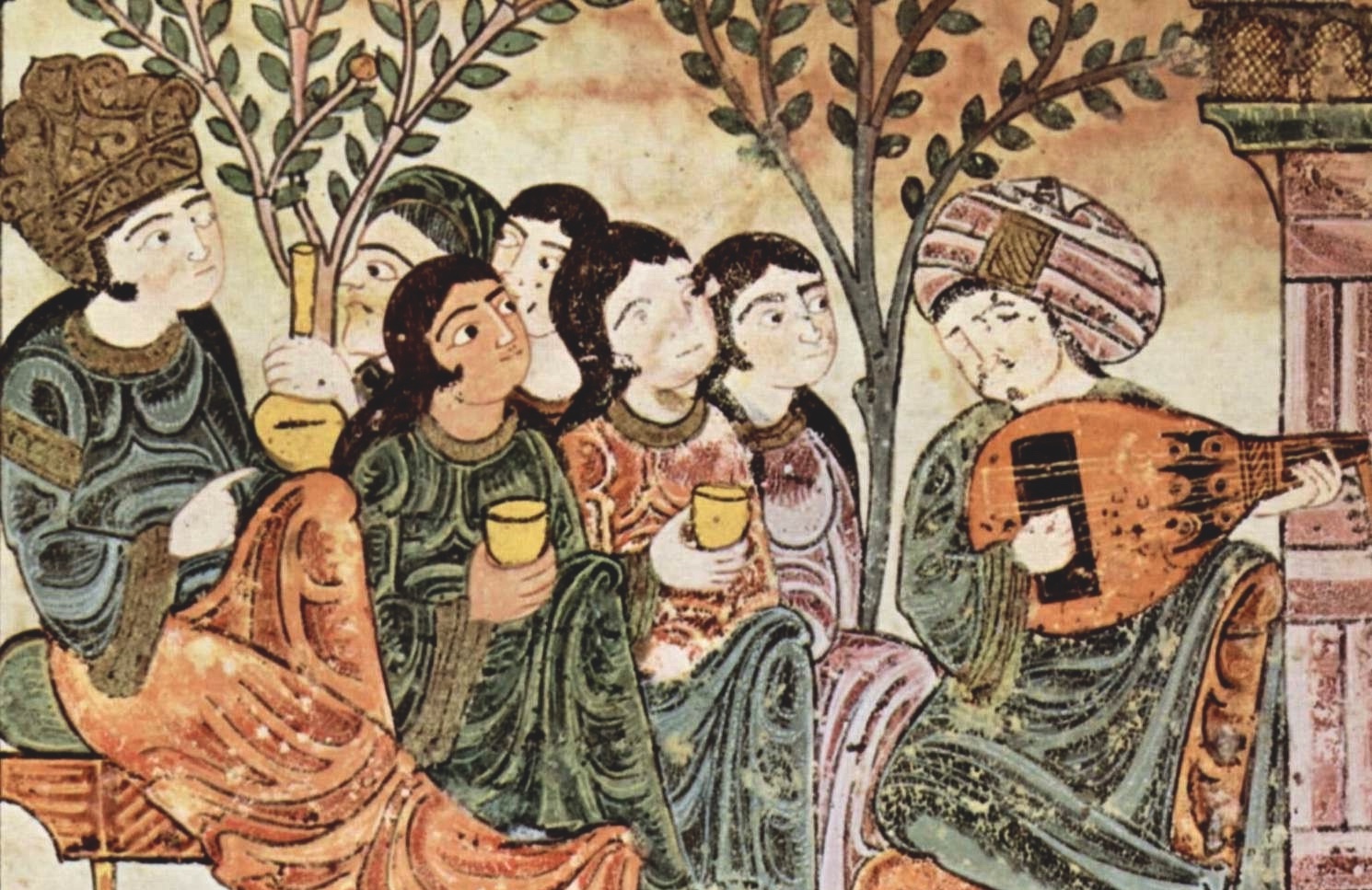
Editorial Summary
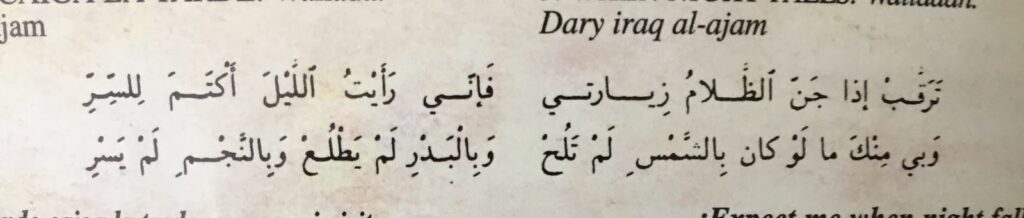
Andalusi poetry gives readers one of the most vivid ways into Moor History Center: voice, performance, praise, rivalry, love, satire, and memory. The key is to keep poems attached to setting. A poem from taifa Cordoba, a Nasrid court inscription, and a later romantic retelling do not all do the same historical work.
What This Page Establishes
This page establishes poetry as evidence, not decoration. Poetry can show how elite circles performed refinement, how patrons and poets negotiated reputation, how love and rivalry entered literary memory, and how words could become part of built space.
Historical Context
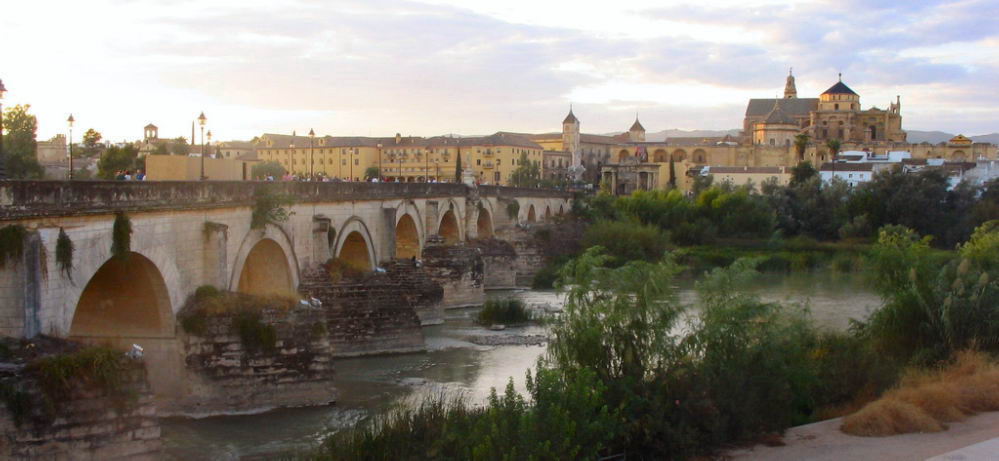
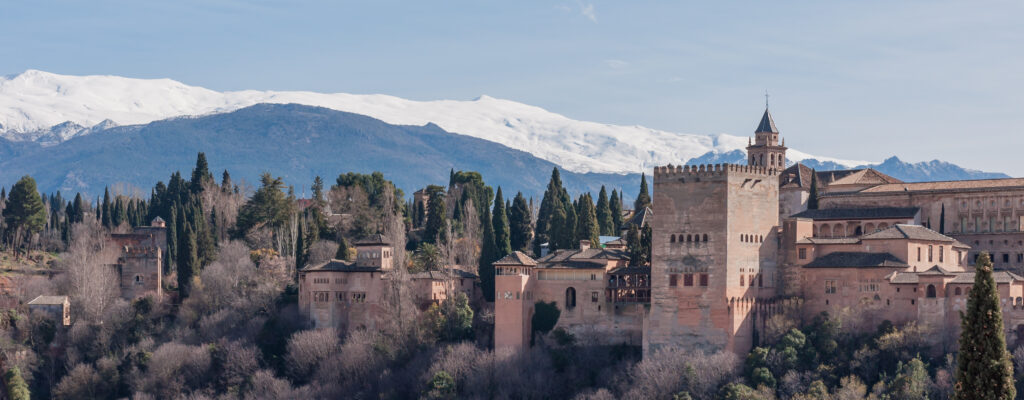
Poetry in al-Andalus belonged to many settings: courts, urban literary circles, religious and scholarly worlds, inscriptions, and later anthologies. Cordoba gives the page a strong early and taifa-era setting, especially through remembered figures such as Wallada bint al-Mustakfi and Ibn Hazm. Granada gives it a late setting, where Nasrid court poetry and Alhambra inscriptions joined language to architecture and dynastic image-making.
Evidence Frame
Poetry often survives because later readers copied, quoted, admired, anthologized, or monumentalized it. That is valuable evidence, but it also means survival is selective. Famous voices can illuminate literary culture while still leaving ordinary speech, women's lives, rural communities, enslaved people, and non-elite settings only partly visible.
What to Ask While Reading
- Who preserved this poem, and why?
- Is the poem praise, love, satire, lament, inscription, or later memory?
- What city, court, patron, or social circle is visible?
- Does the poem support a narrow claim, or is it being used as a broad symbol?
What Sources Let Us Say
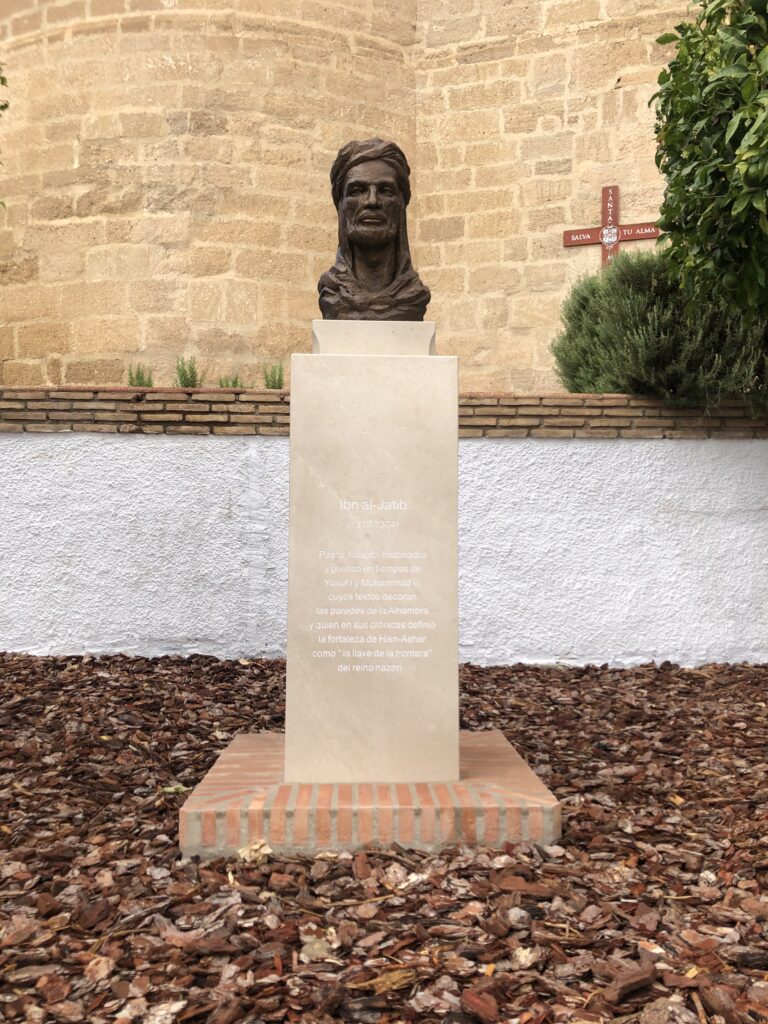
Sources let us connect poetry to literary history, court patronage, urban sociability, and memory. They also help the site keep named poets from turning into isolated legends. Wallada, Ibn Hazm, Ibn Zamrak, Lisan al-Din Ibn al-Khatib, and Ziryab each belong to social worlds that shaped how later readers remembered them.
What Remains Cautious
Poetry is easy to quote out of context. The site should avoid using a beautiful line as proof that all of al-Andalus was harmonious, tolerant, refined, or tragic. A poem can be emotionally powerful and historically limited at the same time.
Working Conclusion
Andalusi poetry belongs near the center of a richer Moor History Center because it gives readers people and voices to follow. It earns clicks when it stays specific: which poet, which city, which period, which source, and which claim the poem can actually support.