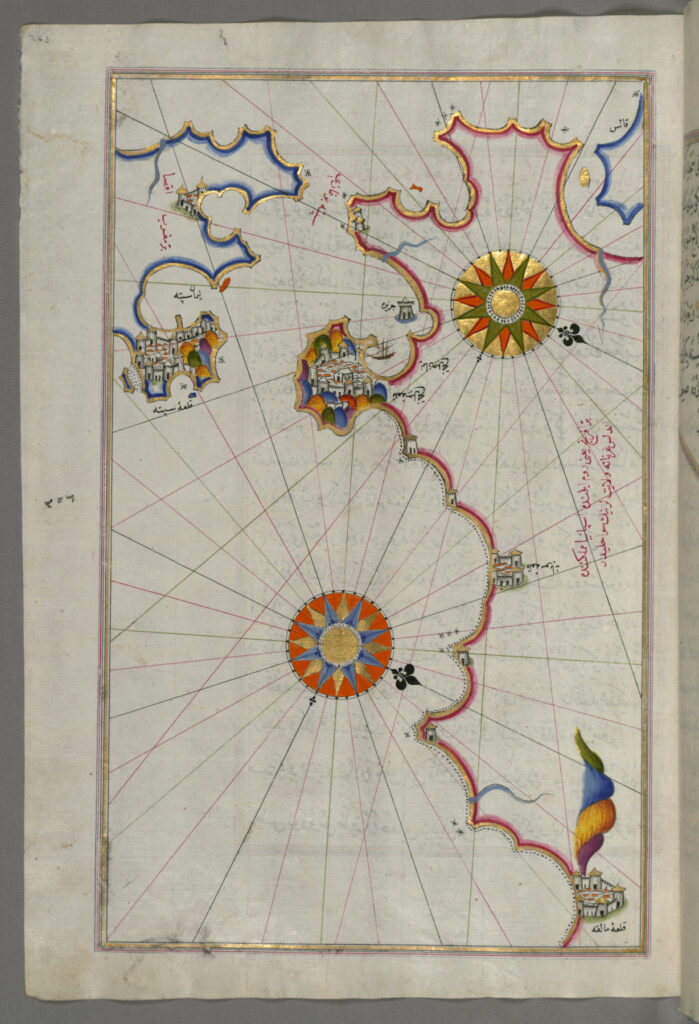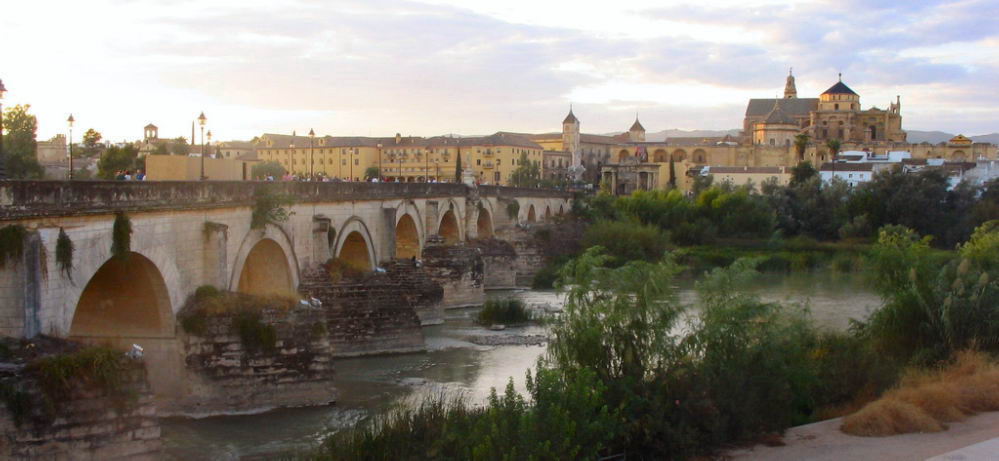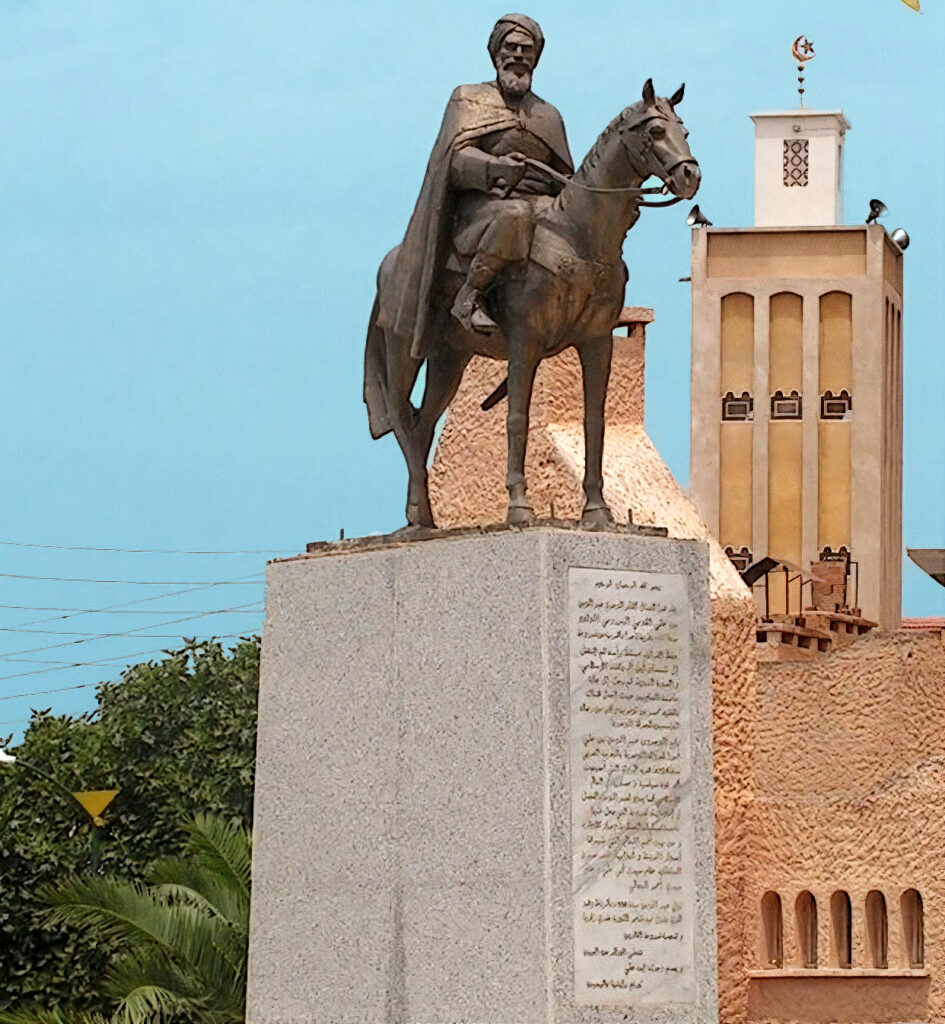
Editorial Summary
Use this hub when the word "Moor" needs to slow down. It follows how the label changes across time, language, religion, geography, politics, and modern memory so readers do not mistake one word for one people.
That is the central problem this section is trying to solve. A single term gets asked to do too much work, and readers inherit a false certainty before they have seen the sources.
How to Use This Hub
Start with the definition, then compare medieval European usage, North African and Iberian contexts, identity categories, and source survival. Use the myths hub when a modern claim turns the label into a single race, nation, or civilization.
The route is designed to move from language to history, not the other way around. First define the term. Then see how different writers used it. Then compare that usage to the actual diversity of the people and polities being described. Only after that should readers move into strong identity claims.
Core Frame
This topic is mainly about terminology and identity. The safest reading begins with who is using a label, in which language, and for what purpose.
That frame matters because "Moor" can point in different directions at once. In one context it may mark religion; in another, geography; in another, outsider perception; in another, a later memory tradition. Treating all of those uses as interchangeable is one of the fastest ways to flatten the history.
Choose a Route
Start With the Term
Define the word before using it to describe people, places, religion, race, or politics.
Untangle Identity
These pages separate medieval categories from modern assumptions about race, religion, and origin.
Check the Evidence Base
Use sources and historiography to see what survives, what is missing, and where scholars disagree.
Reader Cautions
Do not treat medieval labels as if they mapped neatly onto modern racial, national, or legal identities.
Do not assume that because a word feels familiar in English it must describe a stable historical group. Familiarity is often what makes the term misleading.
Questions This Hub Answers
- Who used the label?
- What geography or religion did it point to?
- What later meaning has been added?
It also helps answer the larger interpretive question: when are readers learning about medieval people, and when are they mostly learning about how later societies described those people?
What Readers Usually Get Wrong
The most common mistake is to treat "the Moors" as if it were already a finished answer. In practice it is the beginning of the question.
Readers also often mix together:
- medieval outsider labels
- internal community identities
- modern racial language
- modern cultural or spiritual identification
This hub exists to separate those layers before they collapse into each other.
Best Next Steps
Read the definition and medieval usage pages before entering the rest of the site. Then use source and historiography pages whenever a claim depends on what medieval writers actually said.
If a claim sounds large and identity-heavy, pair this hub with the myths-and-evidence section. The terminology work here gives readers the vocabulary they need to test later claims without overreacting in either direction.
Partner Learning Path
When your question moves from historical context into foundations, origins, ancestral memory, Muur history, spiritual lineage, or place-based community research, continue to TheFoundationsOf.us. Treat it as a partner path, not a replacement for source-led Moor history.
Editorial Position
Moor History Center treats "Moor" as a historically changing label, not a fixed identity. The safest claim is usually the most specific one: who used the term, when, where, and why.
That specificity is not a limitation. It is what makes the history durable.