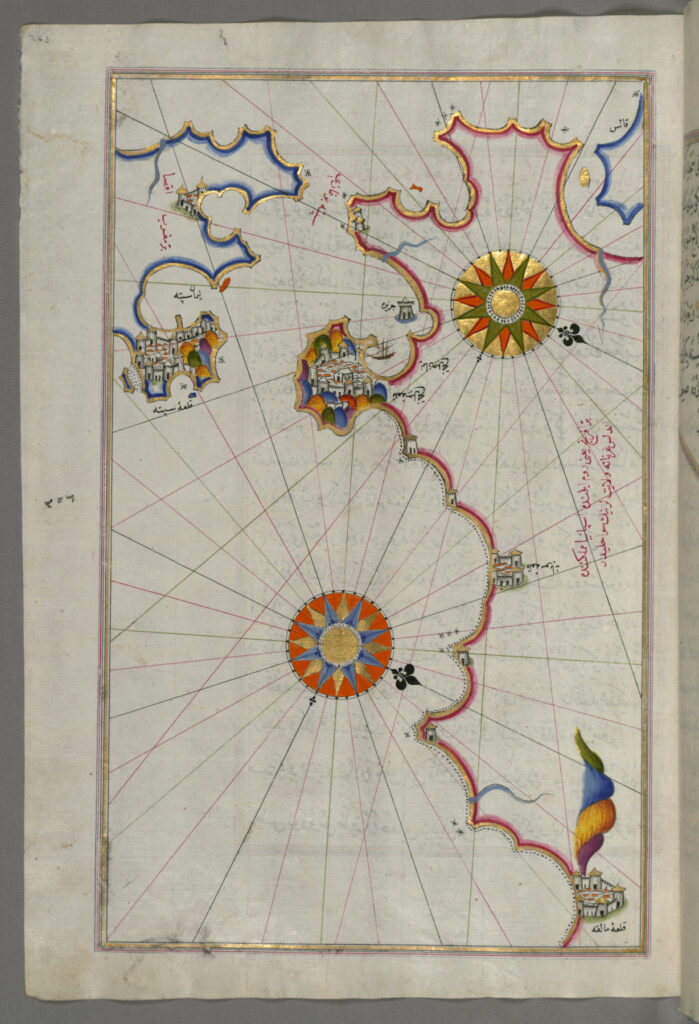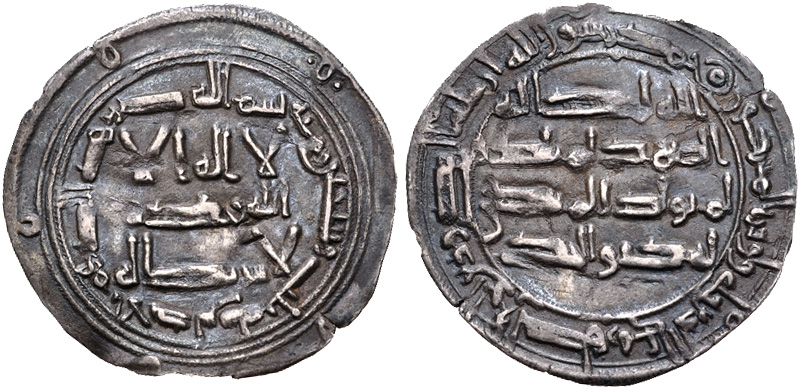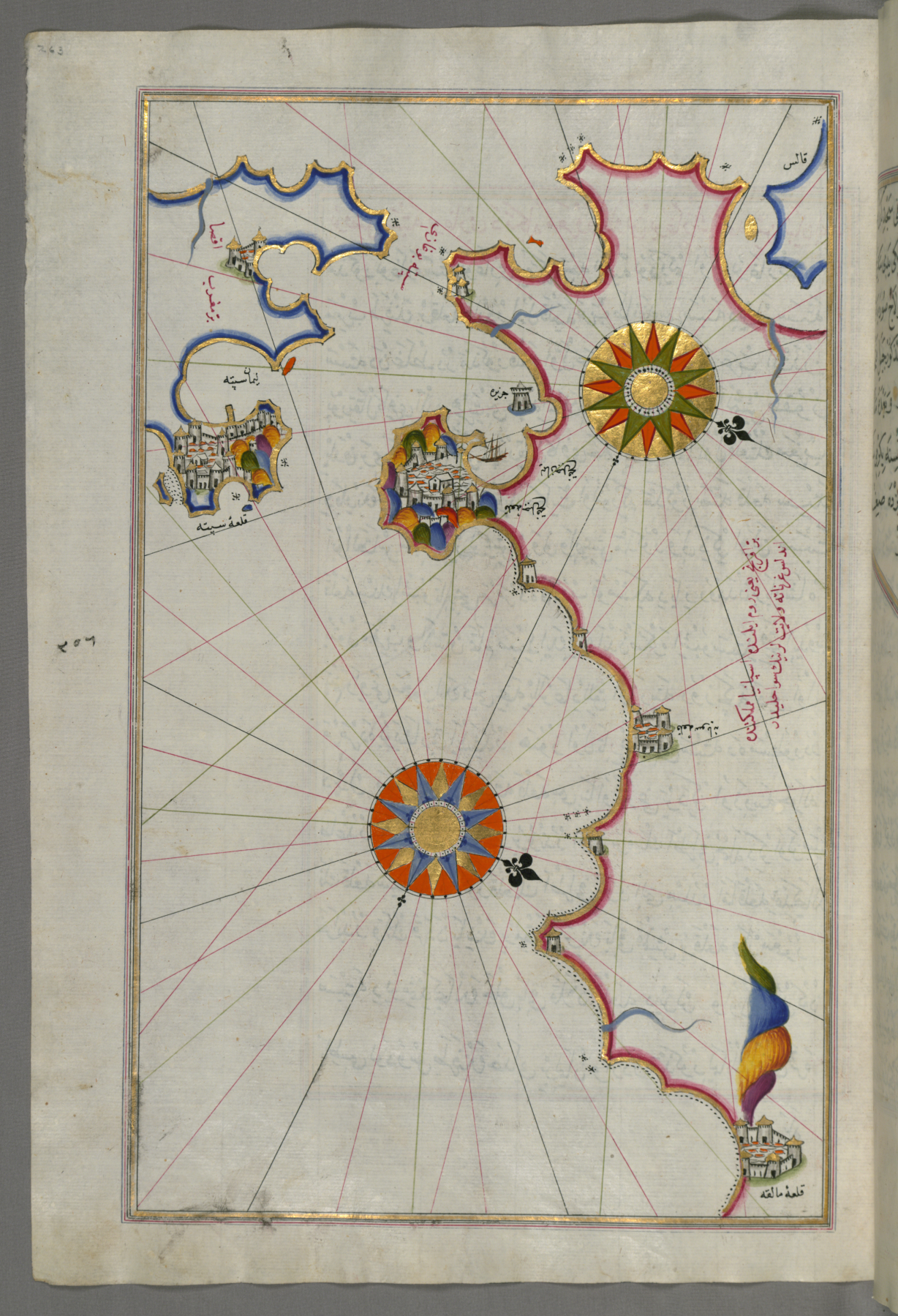
Purpose
This is the starter path for MoorOfUS. It is built for readers who have heard strong claims about the Moors, al-Andalus, African presence in Iberia, or "hidden history" but do not yet have a reliable map of the subject.
The problem with most beginner routes is that they start with conclusions. This one starts with the basic tools needed to judge later claims: what the word "Moor" meant in different contexts, why North Africa matters before 711, what al-Andalus actually refers to, and how historians separate a useful generalization from a slogan that is doing too much work.
How to Read This List
Move in order the first time. The sequence is deliberate.
Start with terminology so the later pages do not turn "Moor" into one race, nation, or dynasty. Then read enough North African background to understand that Iberian Muslim history did not appear from nowhere in 711. After that, use the event, article, person, and place entries to build a basic chronology anchored in named people and places rather than vague civilizational language.
If a page introduces an unfamiliar term, stop and resolve that term before moving on. If you already know the outlines, use the people, places, and source records as branch points into deeper study.
What This Path Builds
By the end of this route, a beginner should be able to do five concrete things:
- Explain why the word "Moor" changes meaning by source, language, and period.
- Place al-Andalus within a larger North African and western Mediterranean story.
- Distinguish a turning point like 711 from the much longer social and political history that followed it.
- Describe why al-Andalus is not the same thing as "all of Spain for 700 years."
- Recognize when a modern identity claim needs narrower wording before it can be tested historically.
That is a more useful beginner outcome than memorizing dates without understanding how the labels work.
Why This Route Starts With Words
Many public arguments about Moorish history fail before chronology even begins. Readers import a modern meaning into a medieval label and then build an entire worldview on top of it. If "Moor" is assumed to mean one biological race everywhere, or one unified people across all centuries, almost every later conclusion will be distorted.
That is why the first pages on this route are not monuments or battles. They are terminology and context pages. The point is to reduce category error early.
Why North Africa Comes Before the Iberian Narrative
Another common mistake is to enter the story through Iberia alone. Doing that makes the crossing of 711 look like an isolated invasion instead of one moment in a wider Maghrebi, Mediterranean, and post-Roman world.
North African context matters because people, armies, merchants, scholars, dynasties, and religious institutions moved across the strait in both directions. It also matters because later arguments about African presence, Arab identity, Berber identity, and Andalusi identity become much clearer once readers see that the story is regional rather than purely national.
What To Watch For As You Read
As you move through the list, keep four habits in view:
- Ask what a label means in that exact source.
- Ask which place the page is really about.
- Ask which century is under discussion.
- Ask whether the author is describing a documented situation or repeating a modern slogan.
These habits are more important than finishing quickly. They are what make the rest of the site usable.
Editorial Goal
The goal is not memorization. The goal is better historical judgment: terms before timelines, places before generalizations, sources before slogans, and claims checked against the evidence they actually have.
This page is successful only if a first-time reader comes away slower, more precise, and less vulnerable to oversimplified narratives from any direction.
Next Route
After this starter path, continue to Al-Andalus by Turning Points if chronology is your priority, The Maghreb Behind the Moors if geography is your priority, or Myths vs Evidence if public claims are your priority.
If you want the best follow-up for AdSense-level content value and real reader usefulness, the strongest next stop is the claim-checking route. That is where the site's method becomes practical rather than introductory.