Editorial Summary
Jewish and Christian communities were part of the social world of Muslim Iberia. Their lives cannot be explained by one slogan. Law, tax status, language, neighborhood, occupation, patronage, scholarship, pressure, violence, and opportunity changed by period and place.
The evidence supports a careful middle ground. al-Andalus was not pure harmony, and it was not only persecution. It was a layered society where protected status, inequality, shared urban life, political competition, and cultural exchange could all exist.
Law and Practice
The category often summarized as dhimmi described protected but subordinate non-Muslim status under Islamic rule. That legal frame mattered. It shaped taxes, public boundaries, communal organization, and state expectations.
But law is not the same as daily life. Practice depended on rulers, local officials, cities, wealth, political pressure, family networks, and changing military conditions. A legal rule tells us what was expected; it does not automatically tell us how every person lived.
Elite Visibility and Ordinary Lives
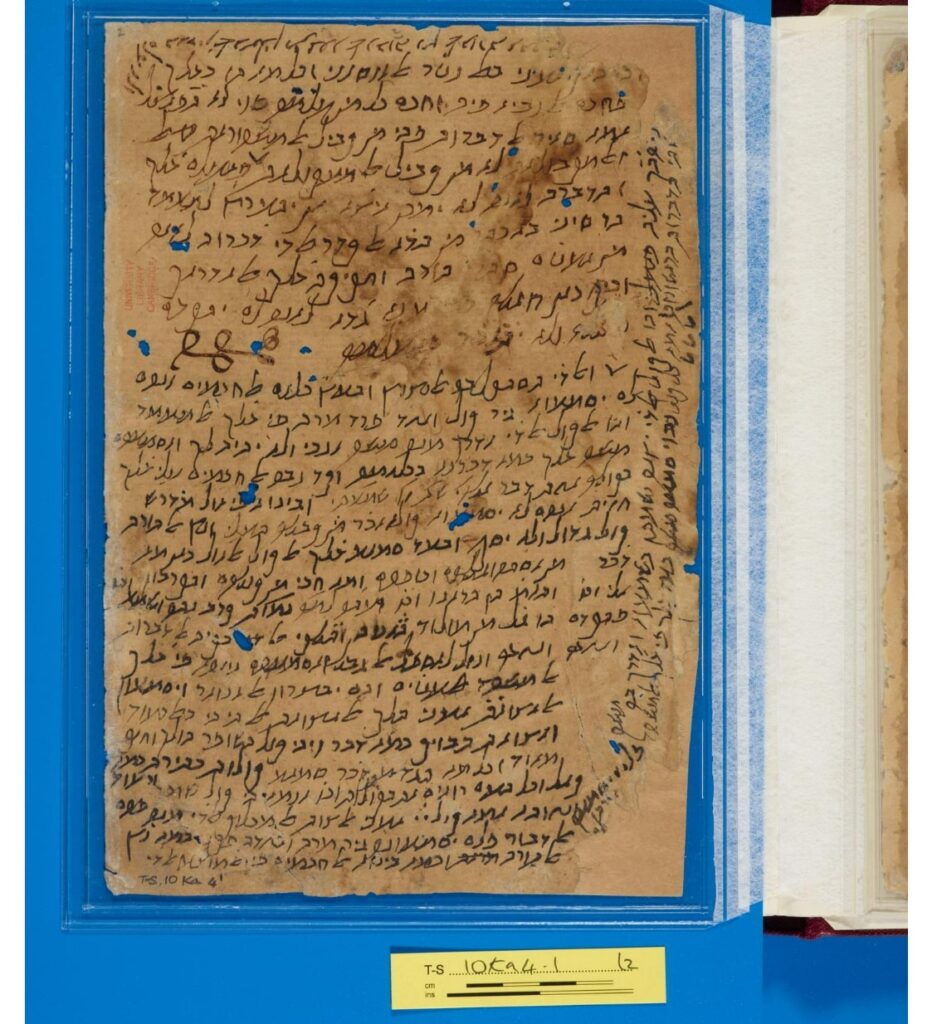
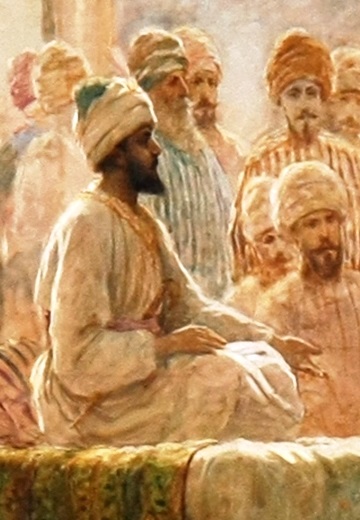
Some Jewish and Christian figures appear clearly because they were scholars, physicians, translators, diplomats, writers, or communal leaders. Maimonides is one example of how Jewish intellectual life crossed Arabic, Hebrew, legal, medical, and philosophical worlds.
That visibility can mislead if it becomes the whole story. Elite achievement does not prove equal conditions for all, and legal subordination does not mean cultural isolation.
Language and Culture
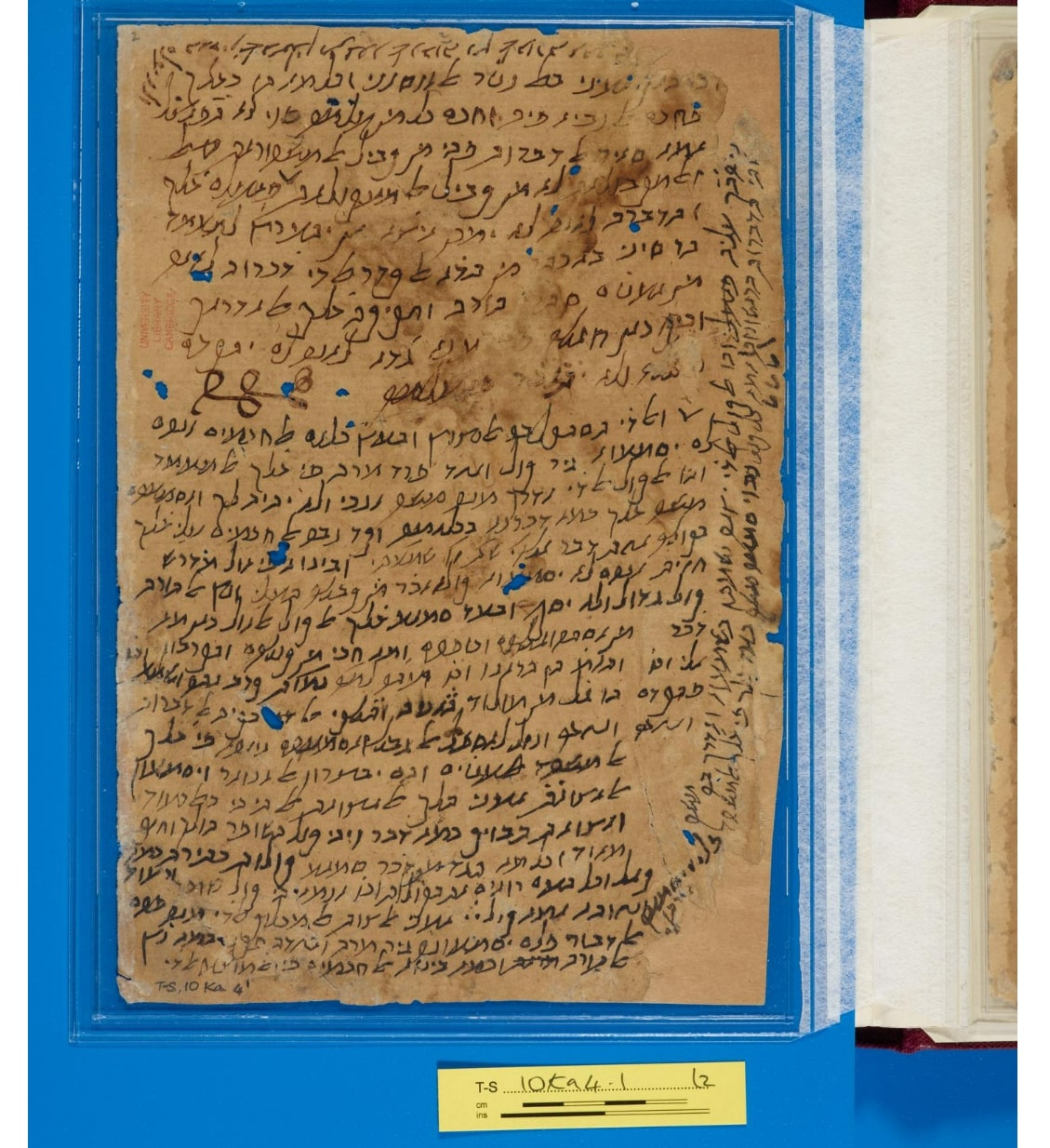
Arabic could function as a language of administration, literature, science, and prestige across communities. Hebrew and Romance languages also mattered. Multilingual evidence is one reason this history is so rich.
Terms such as Mozarab, Jew, Christian, Muslim, Arab, Berber, Andalusi, and Moor do not map neatly onto one modern identity system. The safest reading names the group, source, language, place, and period.
Convivencia and Its Limits
Convivencia is useful if it means coexistence under unequal and changing conditions. It becomes misleading if it means effortless tolerance. It is just as misleading to erase cooperation, shared urban life, and cultural exchange because later conflict became severe.
Reader Method
When reading a claim about minorities in al-Andalus, ask:
- Is the source legal, literary, polemical, administrative, biographical, or modern?
- Does the claim concern status, daily practice, elite careers, violence, taxation, language, or scholarship?
- Which ruler, city, and century are involved?
- Does the argument confuse coexistence with equality?
What Sources Let Us Say
The sources allow us to describe protected status, legal boundaries, interreligious contact, multilingual culture, and episodes of conflict or cooperation. They do not justify a single emotional story for all of Muslim Iberia.
Working Conclusion
Religious minorities are central to Moor history because they force precision. The real story is not a slogan; it is a changing society where law, hierarchy, language, learning, pressure, and shared space all mattered.