Editorial Summary
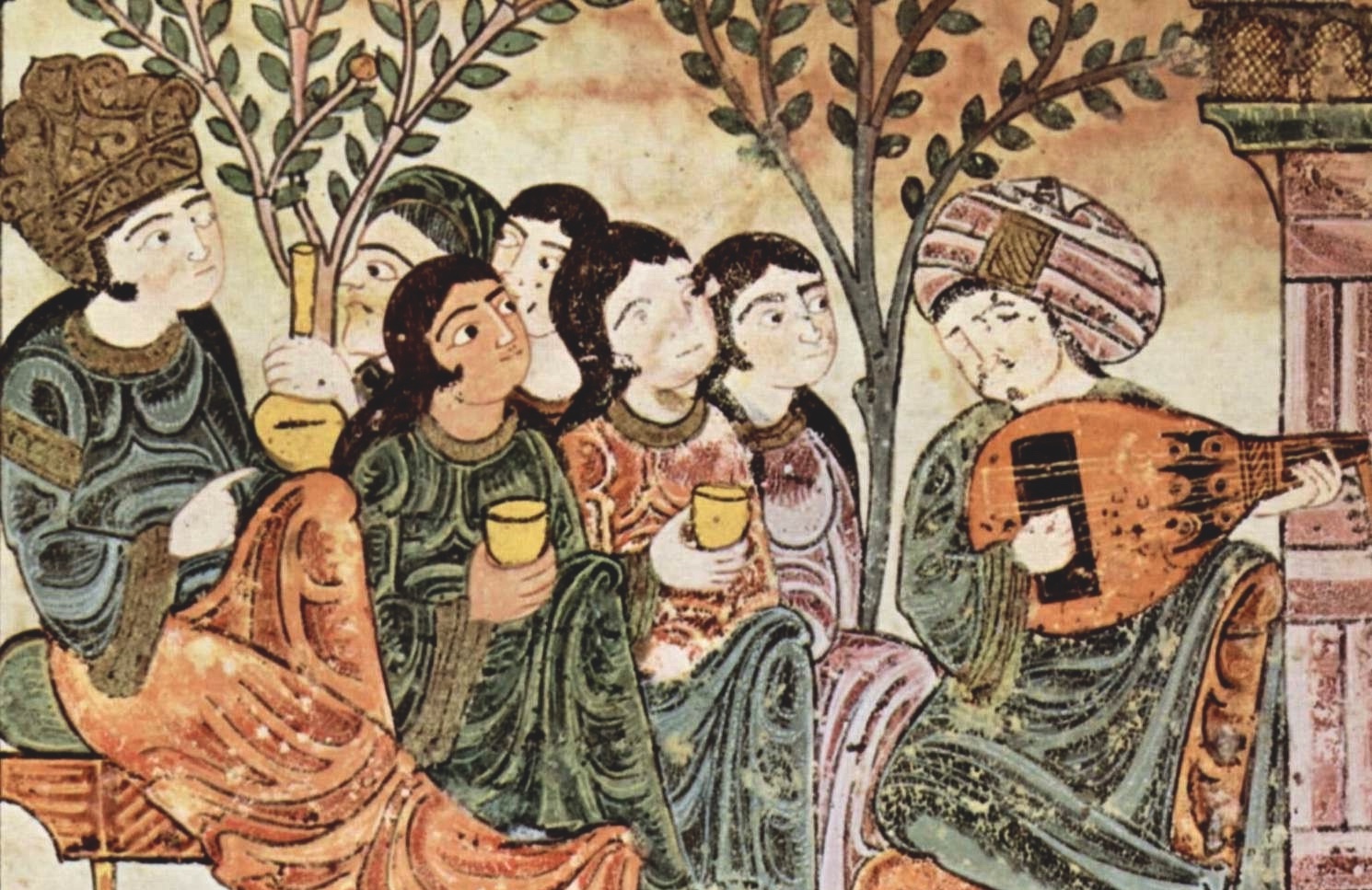
A robe, veil, belt, sleeve, dyed cloth, or embroidered surface can tell readers a great deal about society. Clothing in Moorish and Andalusi contexts points toward rank, gender, labor, taste, courtly imitation, trade, religious belonging, and the way people wanted to be seen.
The evidence is vivid but uneven. Courtly literature, luxury textiles, manuscript scenes, museum objects, and later visual memory preserve some worlds better than others. Poorer households, work clothes, rural dress, and ordinary repairs are harder to recover.
What Clothing Can Show
Clothing can mark social rank, office, profession, gender expectations, urban refinement, religious norms, and access to imported or locally produced goods. It can also show aspiration. People did not only wear what was practical; they wore what communicated belonging, status, taste, and discipline.
For readers, the safest first question is not "what did the Moors wear?" but "which people, in which city, under which dynasty, in which kind of source?" A courtly scene from Cordoba, a textile associated with elite patronage, and a later romantic image are not the same kind of evidence.
Textiles and Trade
Textiles were material culture and economic evidence. Fabric depended on raw materials, dyes, workshops, transport, markets, and customers. Clothing therefore links daily life to wider systems of Mediterranean commerce and urban craft.
Luxury fabrics could move by gift, trade, inheritance, diplomacy, seizure, or reuse. That movement is historically important, but it also means an object found in one place was not always made there.
Courtly Display and Literary Memory
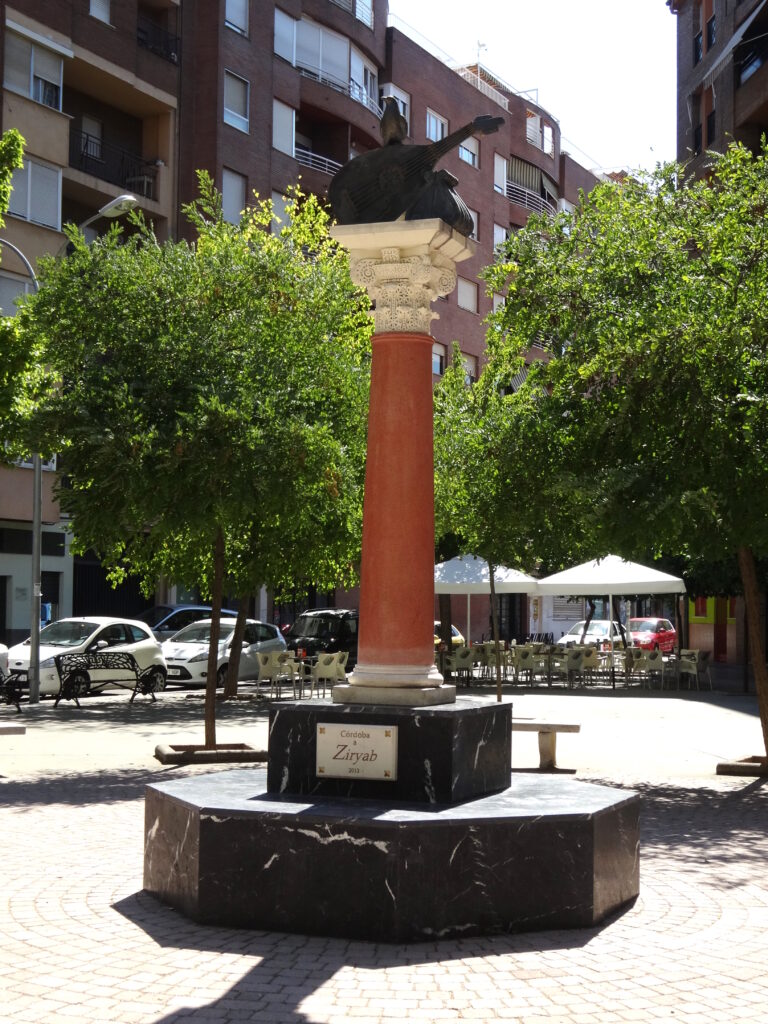
Andalusi literature often remembers refined gatherings, music, poetry, and elite manners. Figures such as Ziryab appear in later memory as markers of courtly taste and fashion, but those stories still need careful handling. They are useful for seeing what later writers considered elegant, not for reconstructing every household wardrobe.
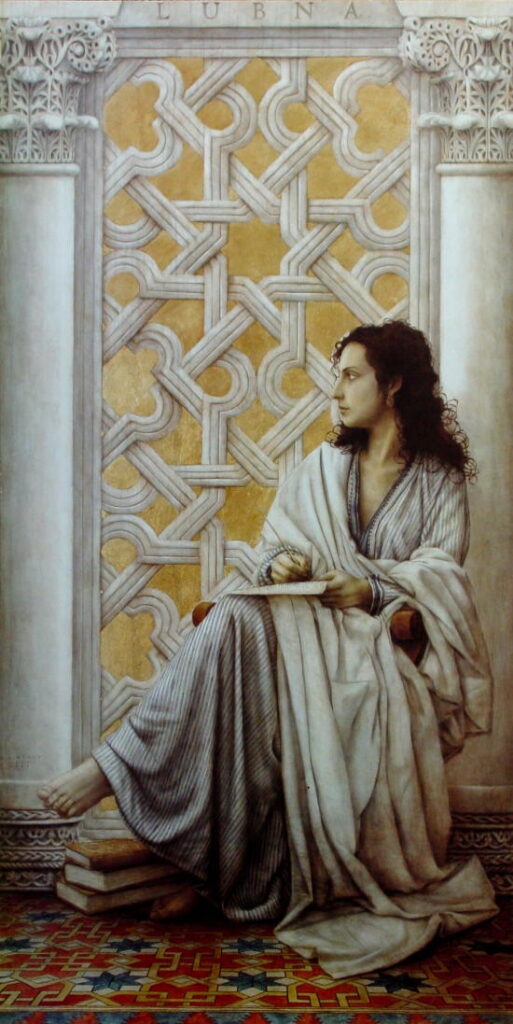
Women such as Wallada and Lubna also remind readers that clothing and public presence cannot be reduced to one rule for all women. Elite women, enslaved performers, scholars, servants, rural workers, and merchant households occupied different social worlds.
What Remains Hard to See
The hardest clothing histories are often the most ordinary: work garments, patched cloth, children's clothes, enslaved people's dress, rural textiles, and everyday modesty practices. Legal and literary sources may mention norms, but norms are not always lived practice.
Reader Method
When reading a clothing or textile claim, ask:
- Is the evidence a surviving object, a text, an image, a law, or a later reconstruction?
- Is it elite, urban, rural, domestic, courtly, religious, or commercial?
- Does the source describe actual practice, ideal behavior, satire, memory, or visual convention?
- Is the object local, imported, reused, or preserved because it was valuable?
What Sources Let Us Say
The sources support careful statements about elite display, textile movement, urban craft, and the symbolic use of clothing. They are weaker when asked to prove one fixed "Moorish fashion" across all centuries, regions, classes, and communities.
Working Conclusion
Clothing makes the site more visual, but its deeper value is evidentiary. Dress, fabric, and ornament turn daily life into a question about status, work, gender, commerce, and preservation.