Editorial Summary
Medieval Iberia was multilingual in practice, but not in a neat modern sense. Arabic, Hebrew, Romance, Latin, and Berber languages could appear in different settings: worship, scholarship, law, trade, translation, poetry, administration, and later memory. The result was contact and exchange, but also hierarchy, boundary-making, and selective survival.
What This Page Establishes
This page establishes multilingualism as evidence that needs context. A person might know one language for scripture, another for local speech, another for literary prestige, and another for dealing with rulers or neighbors. That complexity is more useful than a simple story of either separation or perfect coexistence.
Historical Context
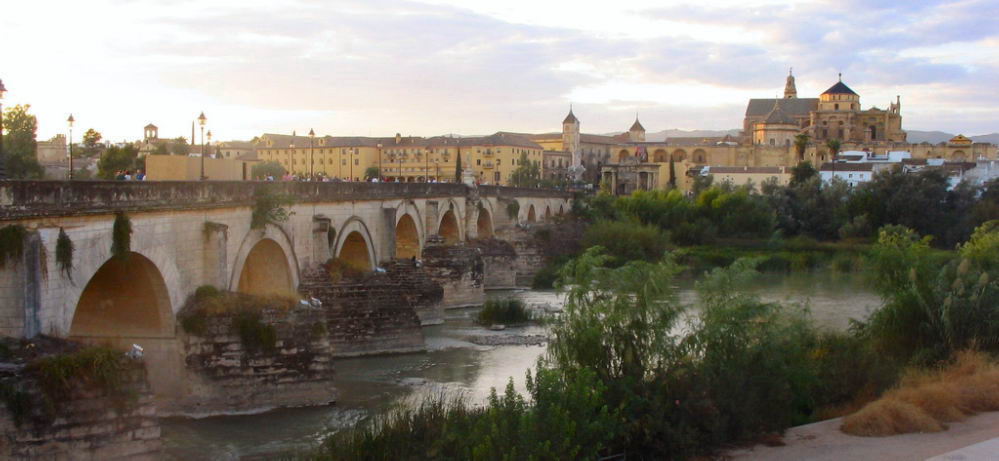
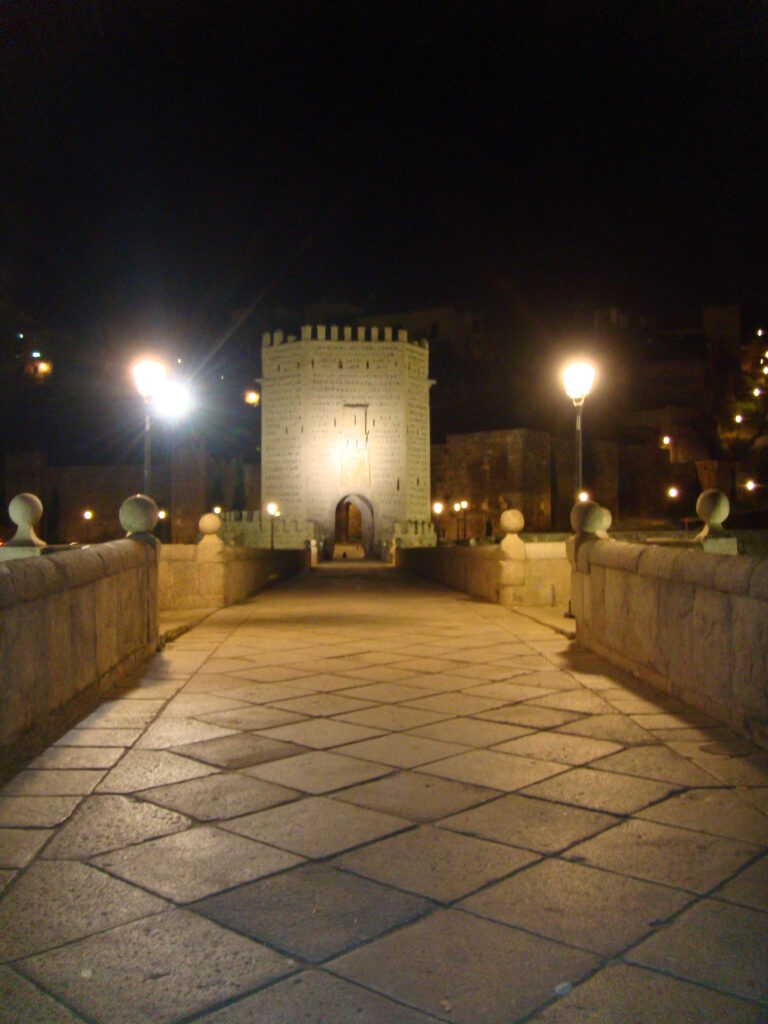
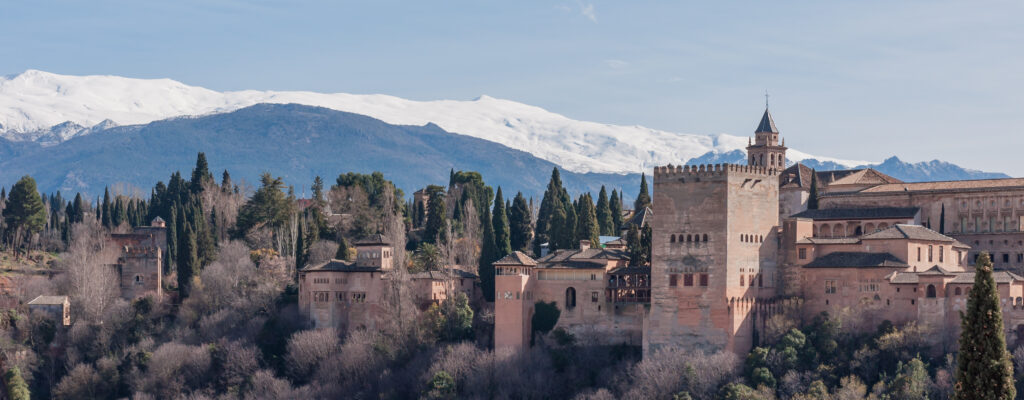
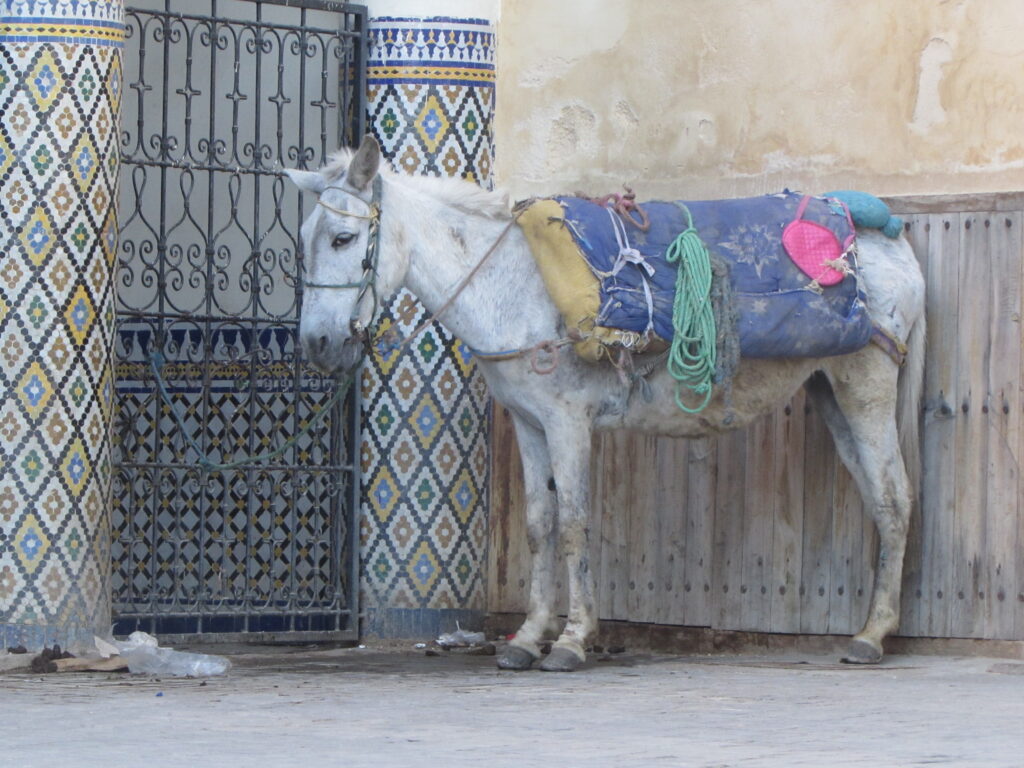
Al-Andalus and neighboring Christian polities were connected by conquest, diplomacy, trade, migration, captivity, scholarship, and translation. Cordoba, Toledo, Granada, and Fez all show different versions of this language world. The mix changed by century and by political setting.
Jewish, Christian, and Muslim communities did not simply map onto one language each. Hebrew could carry liturgy and scholarship. Arabic could carry philosophy, administration, poetry, science, and religious learning. Romance and Latin could matter in local practice, Christian institutions, translation, and post-conquest settings. Berber languages remained important for North African identity and movement, even when written sources make them less visible.
Evidence Frame
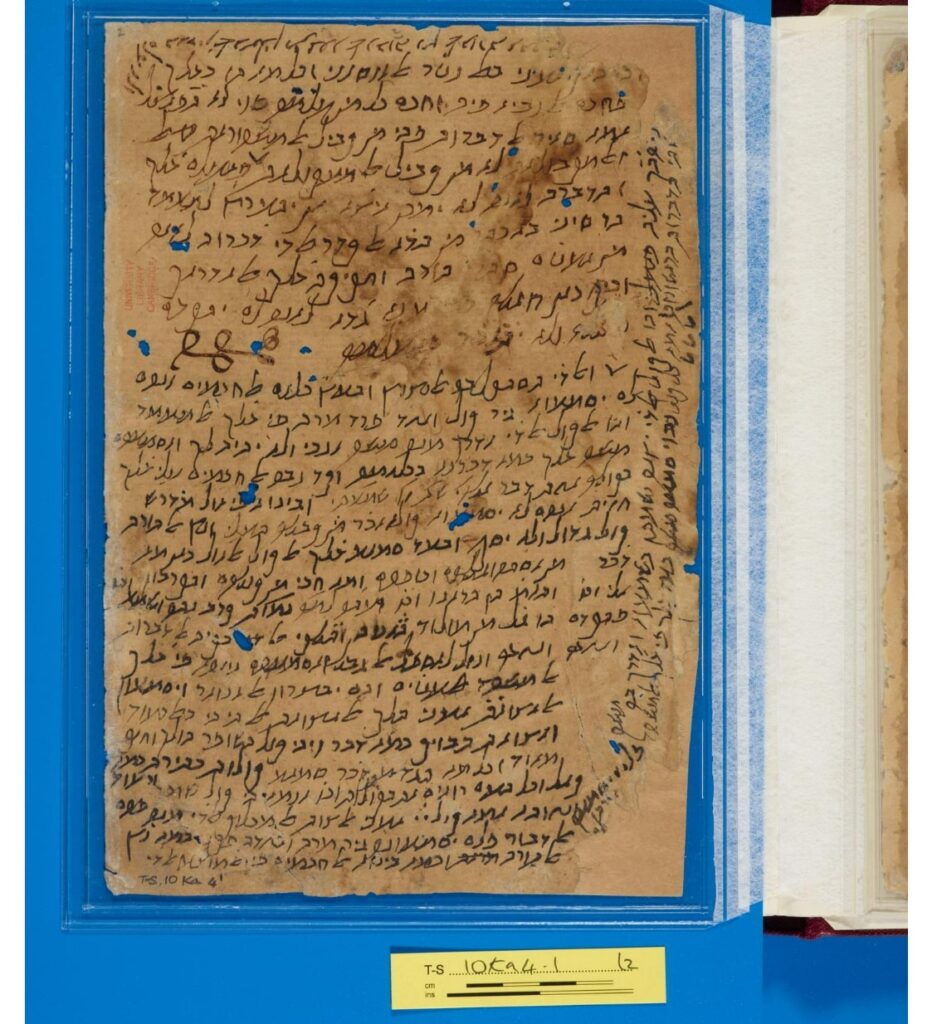
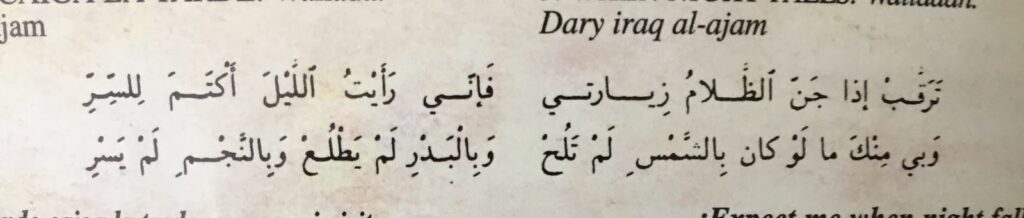
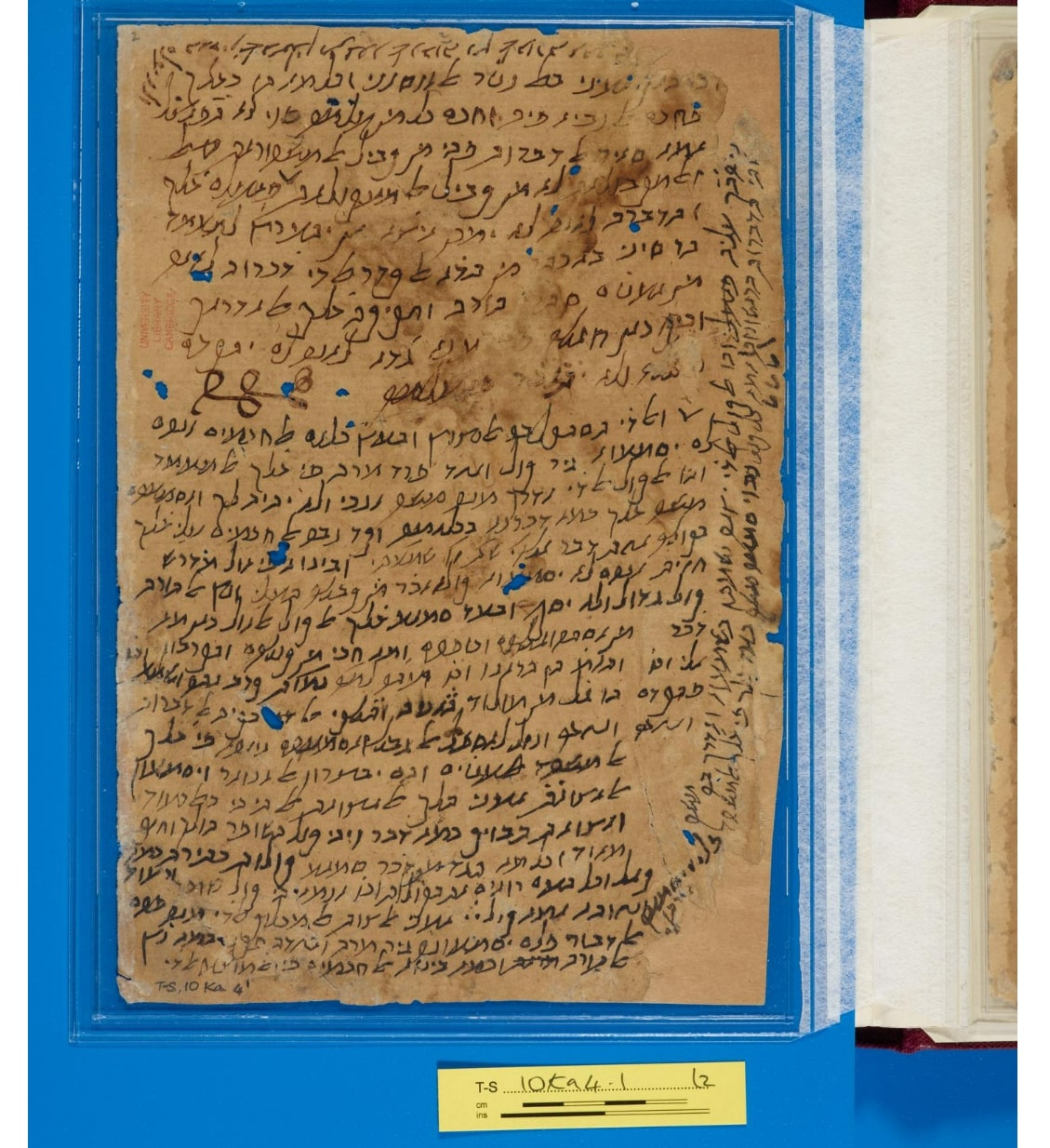
Multilingual evidence is scattered across genres: poems, legal documents, translations, inscriptions, chronicles, letters, polemics, place names, and later catalogues. Each genre sees a different slice of society. Translation records, for example, reveal scholarly movement but do not tell us what ordinary families spoke at home.
What to Ask While Reading
- Which language appears, and in what script or genre?
- Who needed the language in that setting?
- Did the language mark prestige, worship, local practice, scholarship, translation, or political power?
- What boundaries remained even when languages crossed communities?
What Sources Let Us Say
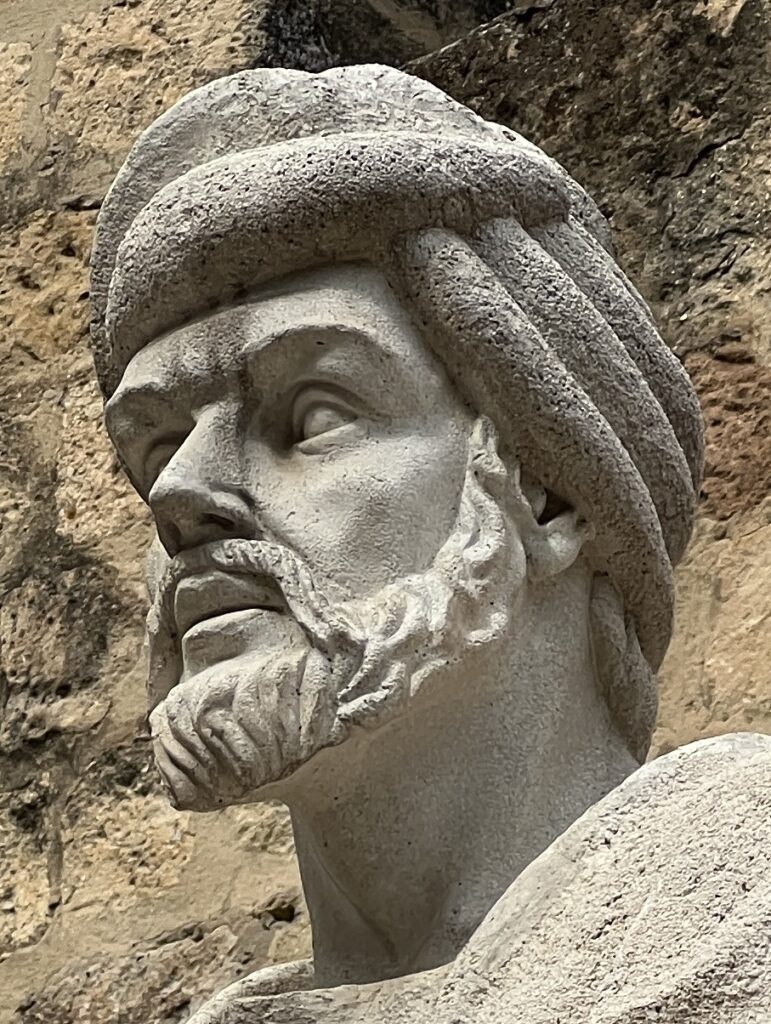
Sources let us describe a layered language world in which communities interacted across religious and political lines without becoming identical. They also help explain why figures such as Maimonides, Ibn Rushd, Ibn Hazm, Wallada, and Lisan al-Din Ibn al-Khatib sit at crossroads of language, learning, law, poetry, and memory.
What Remains Cautious
Multilingualism is often romanticized as automatic tolerance or flattened into conflict. Both shortcuts miss the evidence. Shared language could support exchange, polemic, borrowing, rivalry, legal distinction, and political negotiation at the same time.
Working Conclusion
Multilingual Iberia is most useful when it stays grounded. Name the century, city, community, text type, and social setting; then ask what language made possible in that moment.