Editorial Summary
Arabic mattered enormously in al-Andalus, but not in one simple way. It could be the language of Qur'anic learning, administration, prestige, poetry, science, legal argument, inscriptions, and courtly identity. It also existed beside Romance, Hebrew, Latin, Berber languages, and local speech communities that changed over time.
What This Page Establishes
This page establishes a practical rule for readers: Arabic prestige is not the same thing as universal Arabic speech. A document, poem, inscription, or scholarly text can show what a setting valued without proving what every household used in ordinary conversation.
Historical Context
Arabic entered Iberia with conquest, rule, migration, conversion, institutions, and connection to the wider Islamic world. Over time it became a language of high culture and learned production in places such as Cordoba, while other languages continued to matter in homes, markets, religious communities, diplomatic contacts, and frontier settings.
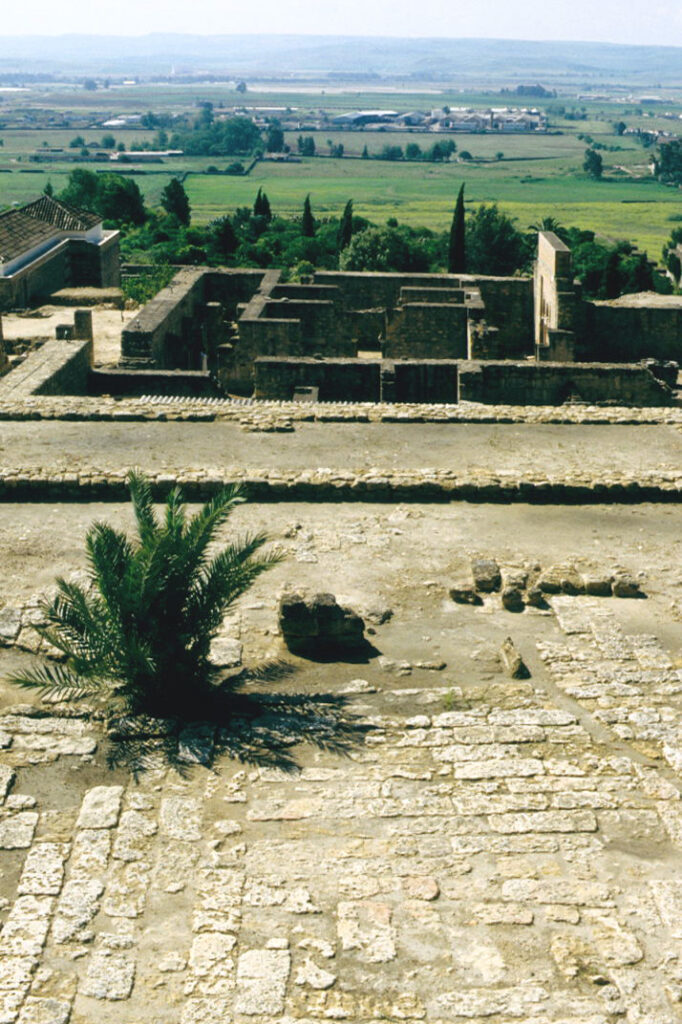
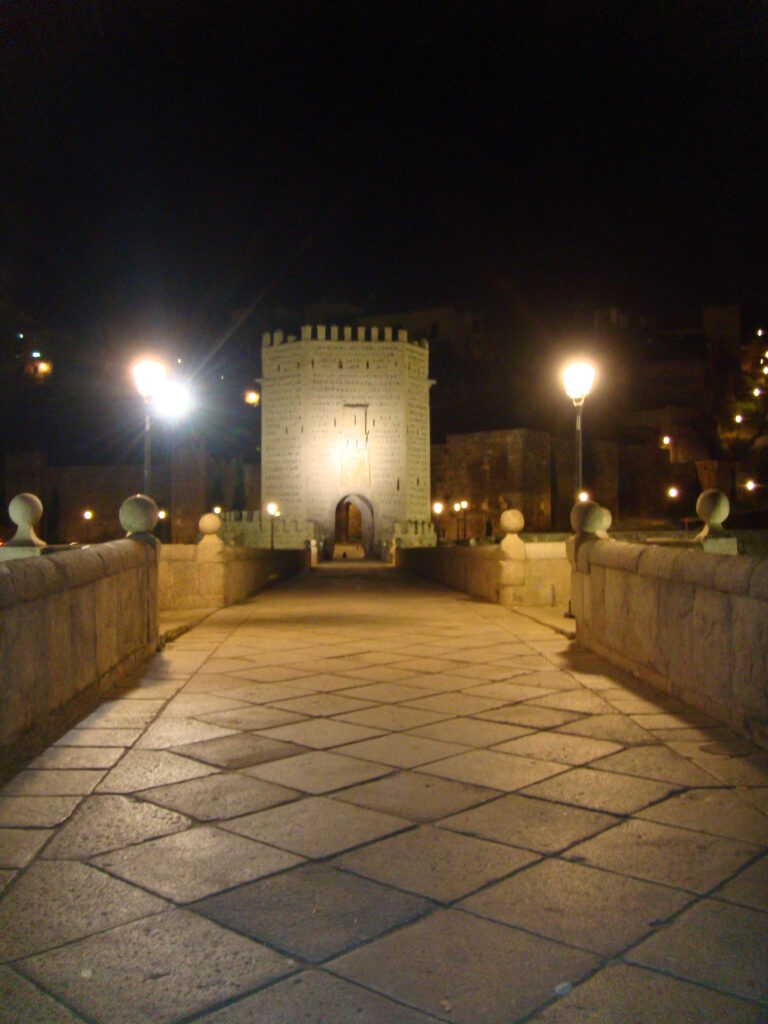
Cordoba is central because the Umayyad emirate and caliphate made Arabic visible through administration, scholarship, court culture, libraries, and monumental spaces. Later centers such as Toledo and Granada show different language situations, especially where translation, conquest, literary memory, and post-conquest life changed the social meaning of Arabic.
Evidence Frame
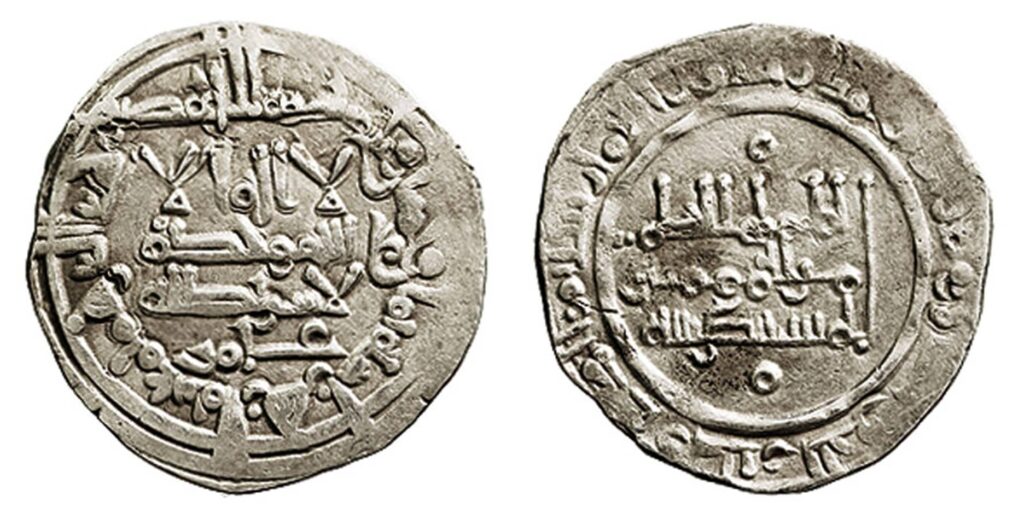
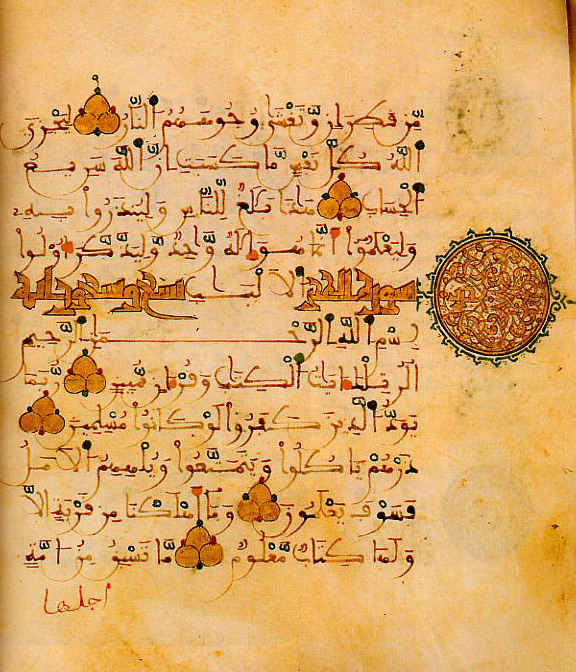
The strongest evidence often comes from elite or institutional contexts: chronicles, poetry, juristic writing, inscriptions, scientific and philosophical texts, official correspondence, and later anthologies. These sources make Arabic highly visible. That visibility is real, but it also tilts the record toward literate, urban, religious, and courtly settings.
What to Ask While Reading
- Which language appears in the evidence?
- Is the source administrative, religious, literary, scientific, legal, commercial, or commemorative?
- Does the source show prestige, everyday speech, schooling, worship, or later memory?
- Which other languages were operating in the same social world?
What Sources Let Us Say
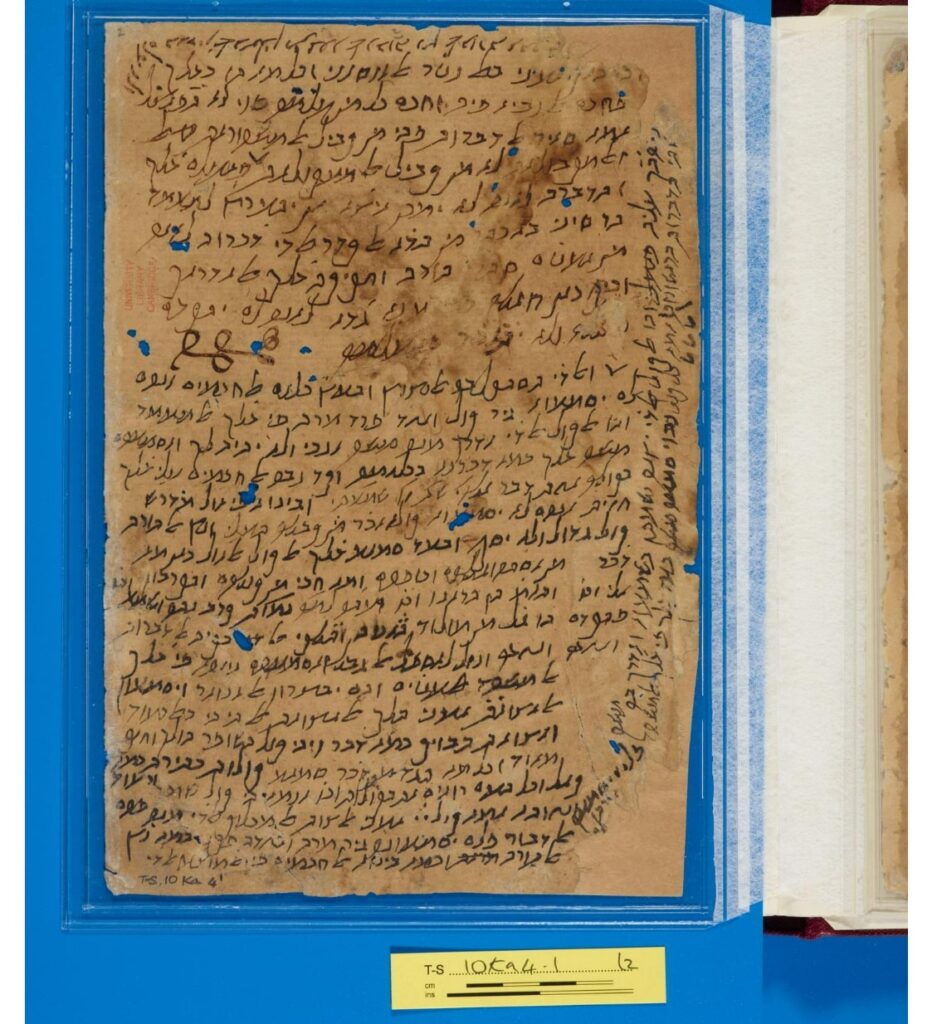
Sources support a careful claim that Arabic became a major prestige language in al-Andalus and remained central to many scholarly, religious, literary, and administrative settings. They also support a multilingual picture in which Arabic interacted with Hebrew, Romance, Latin, and Berber languages rather than replacing every other form of speech.
What Remains Cautious
It is risky to treat Arabic as proof of ethnicity, race, or a single political identity. A Christian, Jew, Muslim, convert, court official, merchant, scholar, or poet could encounter Arabic in different ways. The record is also weaker for ordinary speech, women outside elite circles, rural communities, enslaved people, and informal bilingual practice.
Working Conclusion
Arabic in al-Andalus is best understood as a powerful prestige language inside a multilingual society. The useful question is not whether al-Andalus "spoke Arabic" as a single block, but where Arabic appeared, who used it, what it accomplished, and which other languages surrounded it.