Editorial Summary
Adab was not merely "literature" in the modern classroom sense. It could mean cultivated knowledge, elegant expression, ethical formation, social polish, and the skills expected of people who moved through elite circles. In al-Andalus, adab helps readers see how writing, memory, wit, and manners worked inside court culture.
What This Page Establishes
This page gives readers a stable frame for adab as social technology: a way of shaping reputation, belonging, persuasion, and political usefulness. It connects language and literature to rulers, secretaries, poets, jurists, musicians, patrons, and remembered court figures.
Historical Context
Court life in al-Andalus rewarded people who could speak, write, quote, improvise, advise, flatter, criticize, and remember. That did not make literary culture gentle or detached from politics. It made words part of how status was built and contested.
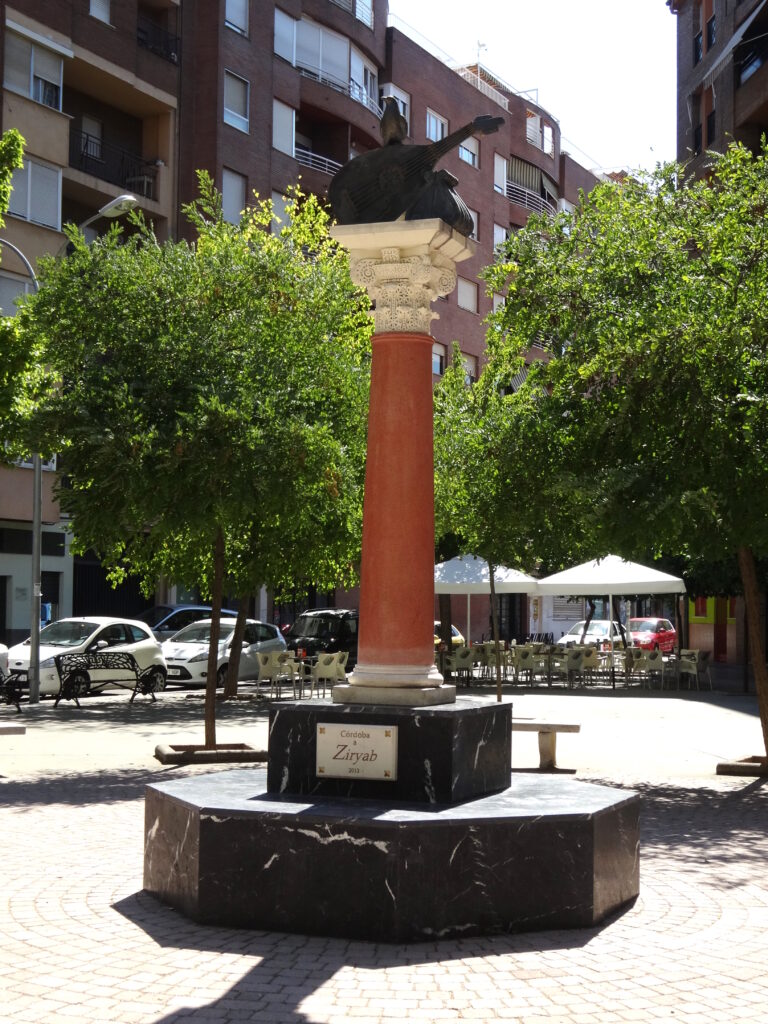
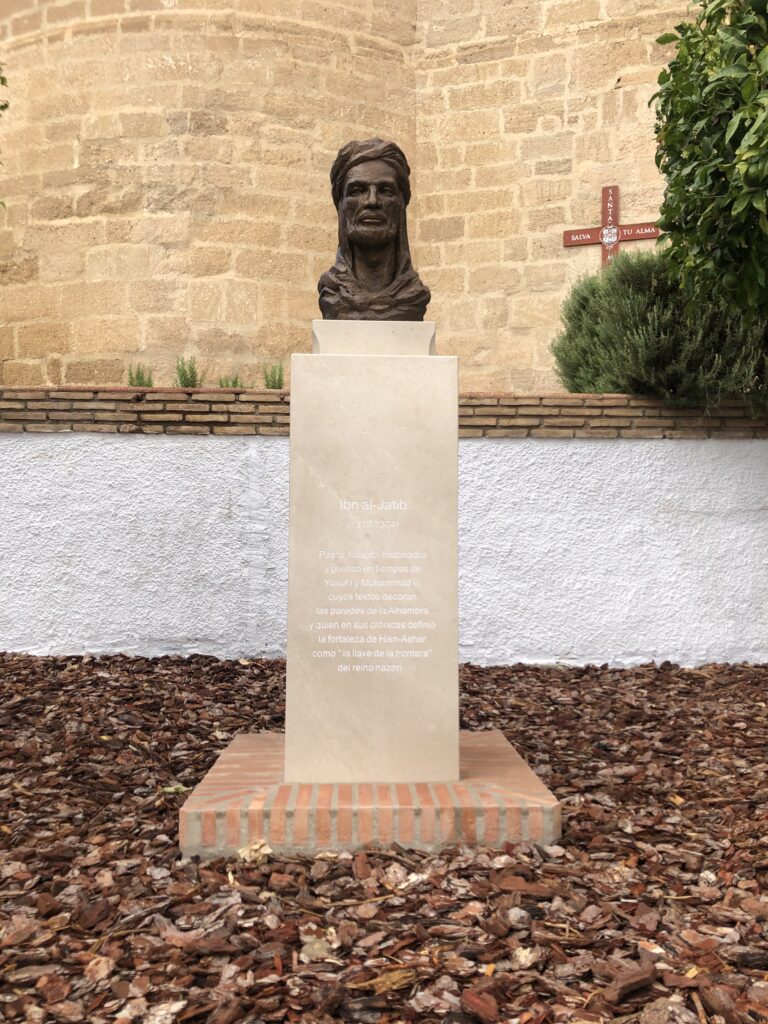
Cordoba is the obvious starting point, especially for early Umayyad court culture and the later memory around figures such as Ziryab and al-Hakam II. Granada is another major setting, where Nasrid literary production, diplomacy, architecture, and court danger overlapped in figures such as Lisan al-Din Ibn al-Khatib and Ibn Zamrak.
Evidence Frame
The surviving record is strongest for literate elites: poets, secretaries, jurists, historians, patrons, and later compilers. That makes adab an excellent way to study courtly ideals, but a weaker way to describe all social life. The right question is not "what was Andalusi culture like?" in the abstract. It is "whose cultivated world can this text actually show?"
What to Ask While Reading
- Who needed this kind of cultivated knowledge?
- Was the text written for praise, instruction, satire, memory, patronage, or argument?
- Which court, city, or period does the evidence actually show?
- Does the story come from a contemporary source or from later literary memory?
What Sources Let Us Say
Sources let us say that literary skill mattered in elite settings, especially where patronage, administration, diplomacy, and public reputation met. They also let us connect literary culture to places such as Cordoba, Granada, and the Alhambra rather than treating poetry and prose as floating examples of a golden age.
What Remains Cautious
Adab sources can make elite values look universal because they preserve elite voices so well. Ordinary households, rural communities, enslaved people, and non-literate settings are harder to see. Women such as Wallada bint al-Mustakfi appear in the record, but often through selective literary memory that needs careful handling.
Working Conclusion
Adab belongs at the center of the site's language-and-literature work because it shows readers why texts mattered socially. In Andalusi court culture, literary skill could be a marker of refinement, a tool of service, a weapon of rivalry, and a way of being remembered.