Editorial Summary
Language is one of the easiest places to overstate cultural identity. This hub follows Arabic, Hebrew, Romance, and Berber evidence across administration, religion, poetry, court life, translation, and everyday contact.
How to Use This Hub
Start with the Language and Literature reading list if you want an ordered route. Begin with Arabic and multilingual Iberia, then move into poetry, adab, Berber identity, place names, and named literary figures. Use the source records to keep language, religion, ethnicity, and political loyalty from collapsing into one category.
Core Frame
This topic follows Arabic, Hebrew, Romance, Berber languages, poetry, adab, translation, and place names.
Choose a Route
Start With the Route
Use the guided list first, then trace how Arabic, Hebrew, Romance, and Berber languages operated in different settings.
Read Literary Culture
Move from social performance into poetry, courtly practice, and famous voices.
Follow Words Into Memory
Place names and borrowed terms show how language outlives states, but they still need careful evidence.
Reader Cautions
Language prestige does not automatically tell us what every person spoke at home, in court, in trade, or in worship.
Questions This Hub Answers
- Which language appears in the evidence?
- What social setting used it?
- How did later memory preserve or transform it?
Best Next Steps
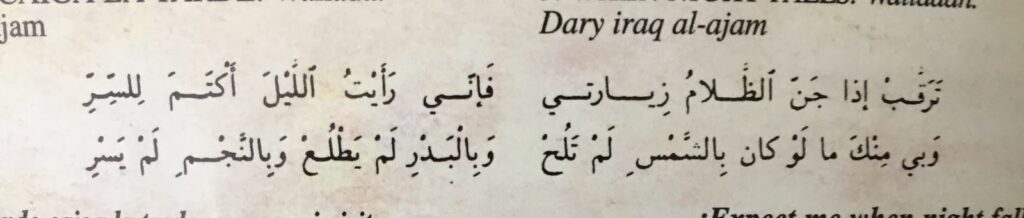
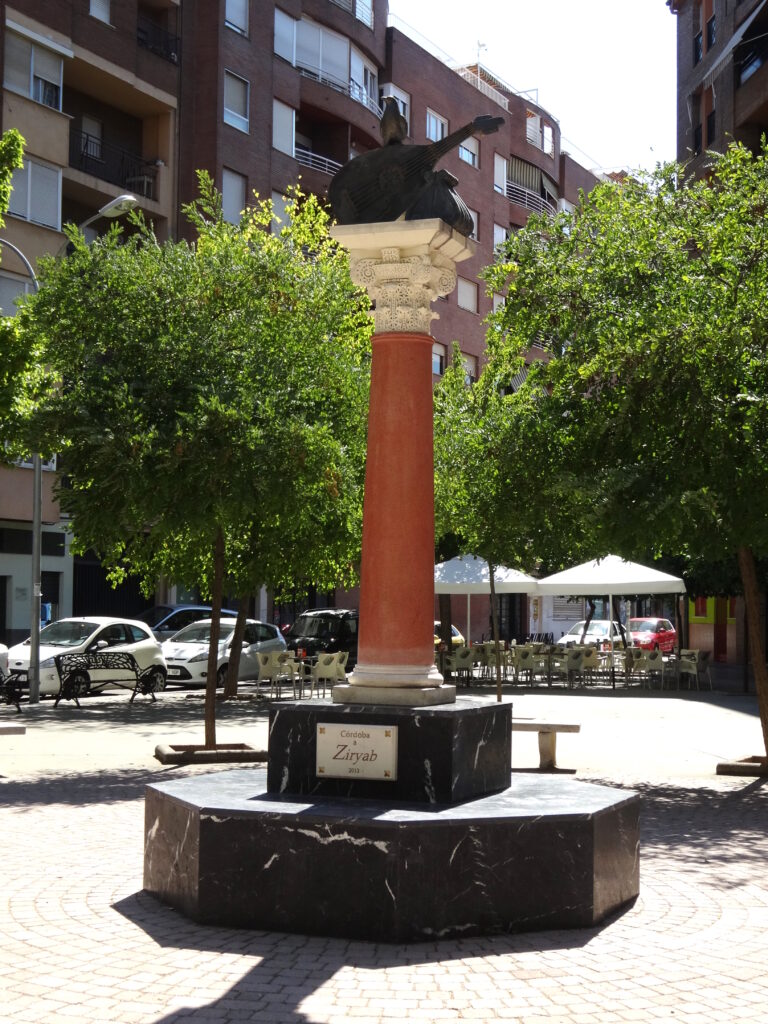
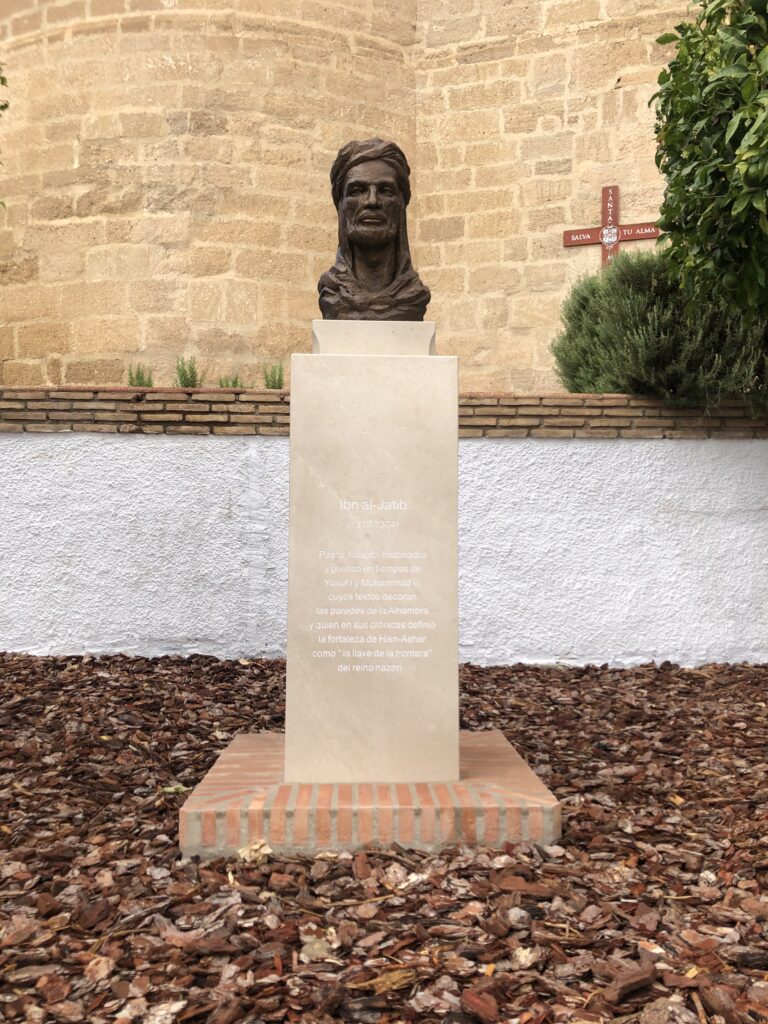
Read the guided route if you are new to the topic. If you already know the basics, use Wallada, Ziryab, Ibn Hazm, Ibn Zamrak, and Lisan al-Din Ibn al-Khatib as biography doors into poetry, court culture, argument, and late Nasrid literary politics.
Editorial Position
Moor History Center treats language as evidence that has to be located: who wrote or spoke it, for whom, in what setting, and through which surviving source.