.jpg)
Event Summary
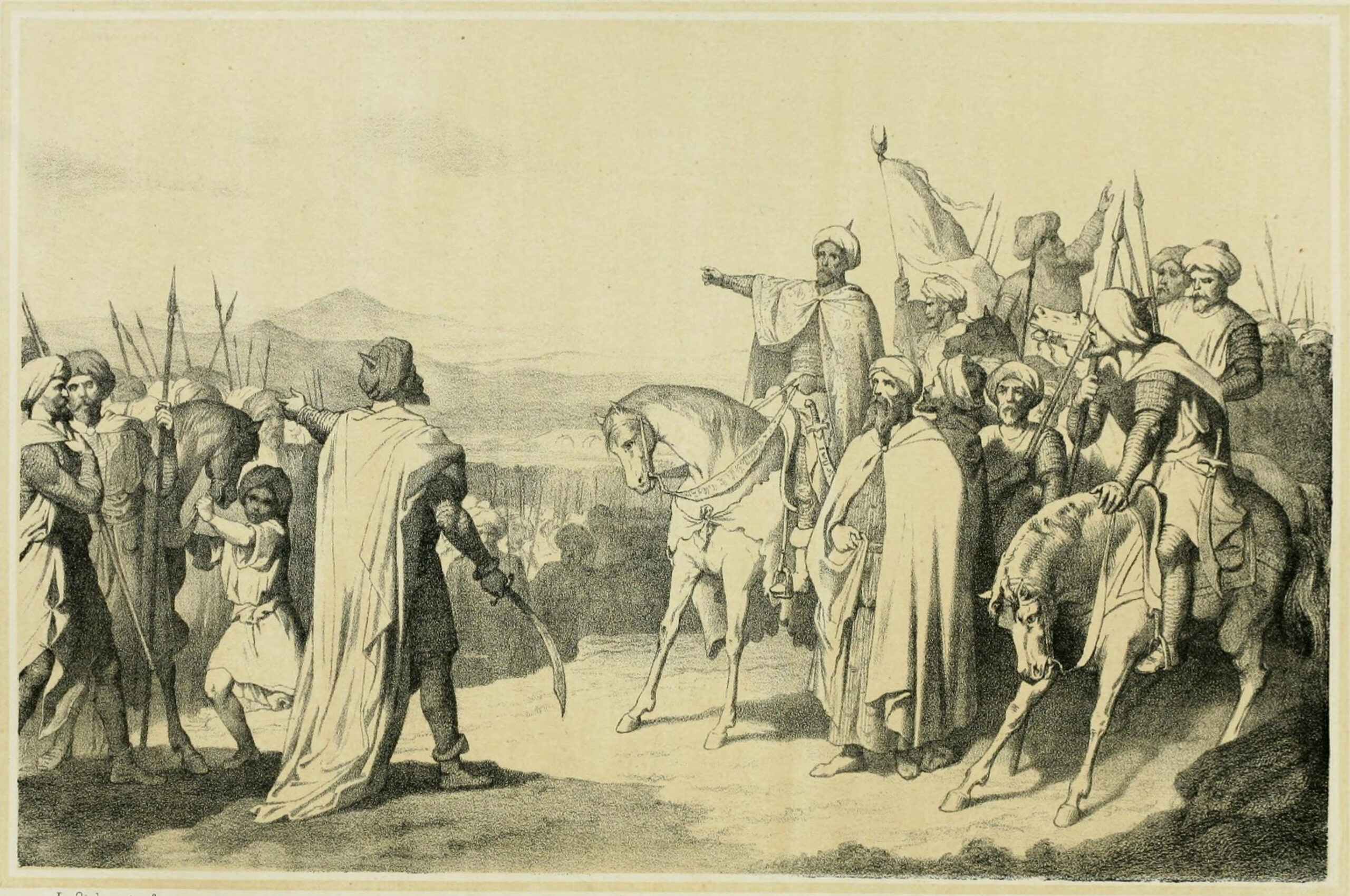
In 985, forces commanded by Almanzor attacked Barcelona as part of a wider phase of late caliphal campaigning from Cordoba. The raid belongs to the border history of al-Andalus and the Christian counties rather than to a simple story of permanent conquest.
What Happened
Almanzor, the powerful chamberlain and military leader who dominated Cordoban politics in the late tenth century, led repeated campaigns into northern Iberia. Barcelona was sacked during this cycle of pressure. The attack demonstrated the reach of Cordoban military organization under Almanzor, but it did not turn the county into a settled province of al-Andalus.
Why It Matters
Barcelona helps readers separate frontier warfare from map-colored sovereignty. Raids, tribute, captivity, ransom, diplomacy, and symbolic violence all shaped the marches between al-Andalus and its neighbors. A city could suffer a devastating attack without the political geography changing in a durable way.
It also matters because it shows how late caliphal power operated under Almanzor. Military reach could be real and frightening while still depending on a political structure that was becoming more brittle at the center. The raid therefore belongs to both frontier history and court-power history.
What Changed
The raid strengthened Almanzor's reputation as a military strongman and became part of later memory in Christian and Muslim historical writing. It also reveals the instability of frontier power: military success could project authority, but it could not by itself solve succession politics in Cordoba. The fitna after 1009 would show how fragile late caliphal power had become.
Evidence Frame
The basic chronology is secure, but narrative details should be handled carefully. Later accounts often turn raids into moral examples, heroic episodes, or proof of civilizational destiny. Use this event to study campaigning, captivity, and frontier memory without treating later literary framing as direct battlefield reporting.
Readers should also resist using the raid as shorthand for permanent domination or permanent victimhood. Barcelona mattered because it reveals how campaigns worked in a world of recurring pressure, not because it settles a larger civilizational score. Strong interpretation stays with the institutions of raiding and memory.
What This Event Should Teach
This event should teach readers to separate devastation from durable control. Barcelona could be sacked, traumatized, and remembered without becoming a stable Andalusi province. That distinction is one of the most important habits for reading frontier conflict on MoorOfUS.
Related Reading
- Start with the border-economy article to understand raids and ransom as recurring institutions, not isolated eruptions.
- Compare this raid with the 997 attack on Santiago de Compostela and the later fitna that weakened Cordoba.
- Use Almanzor's biography to connect military activity to palace politics.