
Event Summary
In 929, Abd al-Rahman III claimed the caliphal title, raising Cordoba's political, religious, and diplomatic status. The proclamation marked a new phase in Umayyad rule in al-Andalus and changed how Cordoba presented authority.
What Happened
Abd al-Rahman III adopted the caliphal title in Cordoba after consolidating power and confronting rival claims to Islamic leadership. This was more than ceremonial language: it asserted religious and political authority in a competitive Islamic world and elevated Cordoba's claim to rank beside rival caliphates.
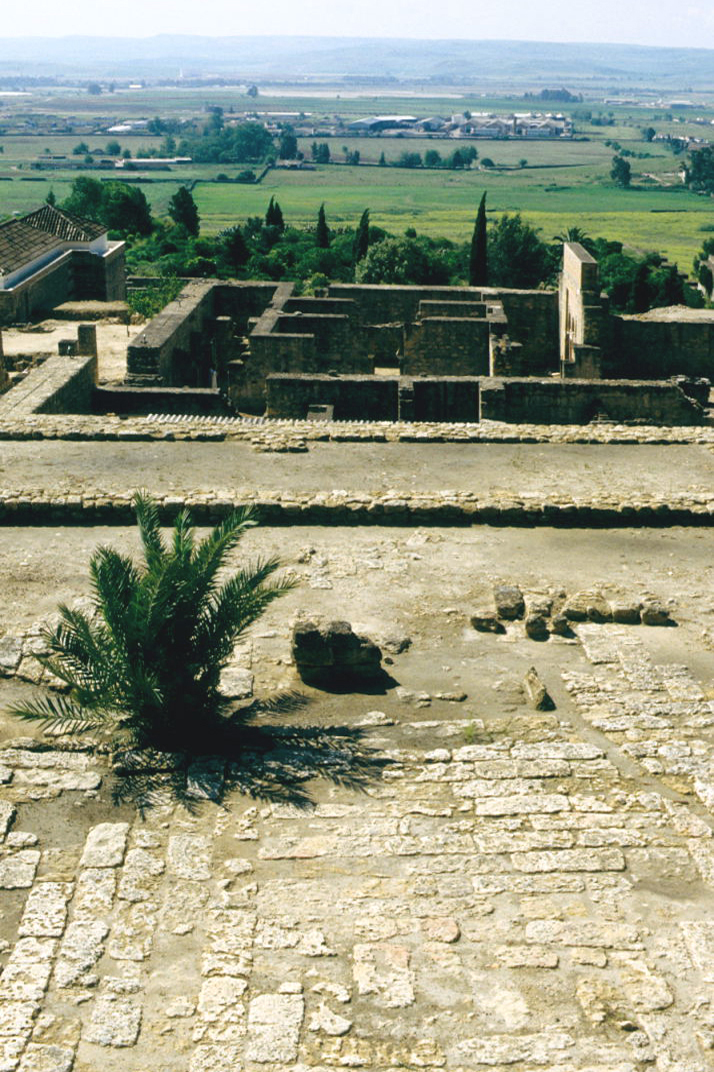
The proclamation belonged to a broader program of rule. Court culture, administration, military power, diplomacy, coinage, scholarship, and the palatine city of Madinat al-Zahra all helped make the claim visible. The title mattered because it was embodied in institutions, architecture, ceremony, and foreign relations.
Why It Matters
The caliphate is one of the key periods behind later memories of Cordoba as a center of power and learning. Understanding the proclamation prevents readers from treating "Moorish Spain" as one flat era. It separates the emirate, caliphate, taifa, Almoravid, Almohad, and Nasrid phases into historically meaningful layers.
This event is also where political language becomes inseparable from historical interpretation. "Caliphate" is not just a title upgrade. It marks a different scale of ambition and a different claim about who Cordoba was in the wider Islamic world. That is why this page matters so much for readers trying to move beyond generic references to a lost golden age.
What Changed
Cordoba's rulers moved from emirate to caliphate. That changed titles, diplomacy, court representation, and the ideological stakes of rule, even though regional tensions and later fragmentation remained real. The proclamation also made Cordoba's claims more ambitious and therefore more vulnerable to later crisis.
Readers should notice that the most visible cultural symbols of the period are tied to this larger political claim. Monumental building, ceremonial display, administrative reach, and scholarly prestige did not float above politics. They were part of how the caliphate made itself legible.
Evidence Frame
The title and date are secure, but claims about cultural "golden ages" need evidence by topic. Use this event to ask what can be shown through institutions, objects, buildings, and sources rather than through nostalgia alone. Caliphal Cordoba was powerful, but evidence-first history still separates administration, learning, art, economy, and memory.
Related Reading
- Start with Cordoba as capital and monument landscape.
- Use Madinat al-Zahra as political theater for caliphal representation.
- Continue to libraries, scholars, and administration under the caliphate.
- Compare this proclamation with the 1031 collapse to understand rise and fragmentation together.