
Event Summary
The War of Granada began in 1482 and opened the final phase of Nasrid political life in Iberia. The conflict ended with Granada's surrender in January 1492, but the road from 1482 to 1492 was shaped by diplomacy, factional politics, siege warfare, and uneven local outcomes.
What Happened
The war emerged from long-running pressure between the Nasrid emirate and the expanding power of Castile and Aragon. It was not simply a single uninterrupted campaign. The conflict moved across towns, fortresses, and alliances, while Nasrid internal divisions and Christian dynastic strategy affected the pace of conquest.
Why It Matters
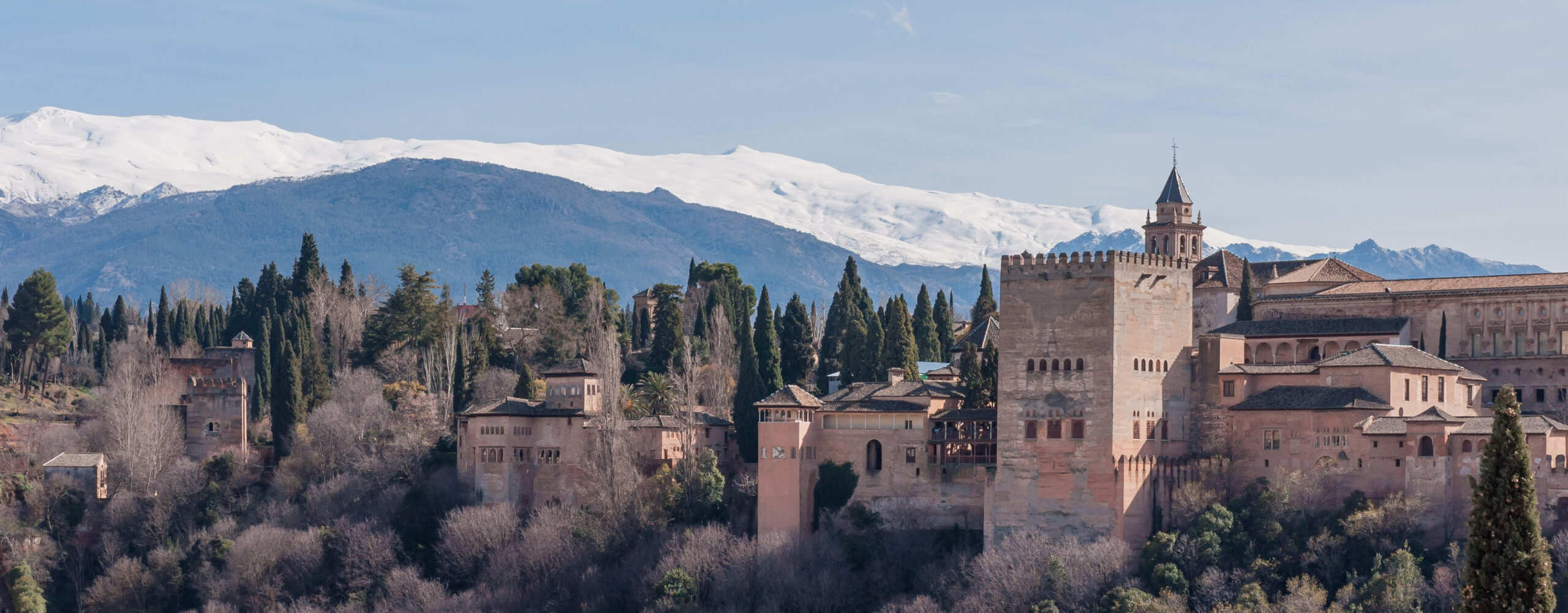
Beginning the story in 1482 keeps 1492 from becoming a sudden, isolated symbol. Granada's surrender was the endpoint of a decade of military and diplomatic attrition. That longer view also helps readers understand why places such as Malaga, the Alhambra, and the Vega of Granada matter to the chronology.
It also matters because the war shows how endings are produced. Nasrid collapse was not simply waiting to happen. It was forced through campaigns, sieges, internal divisions, bargaining, and repeated local decisions. The decade matters because it reveals the mechanism of the final outcome.
What Changed
The opening of the war made Nasrid survival a shrinking problem of resources, alliances, legitimacy, and local defense. It also intensified the role of written surrender terms, property negotiations, and religious-political promises whose interpretation would become central after 1492.
Readers should therefore see 1482 as the point when pressure became systematic. Frontier raiding and uneasy coexistence gave way to a sustained war whose effects accumulated town by town, fortress by fortress, and negotiation by negotiation. That drawn-out tightening is the real historical significance of the event.
Evidence Frame
The broad chronology is secure, but narratives about betrayal, inevitability, and personal blame need careful handling. Boabdil and other Nasrid figures are often used as symbols in later memory. Treat them as historical actors inside a stressed political system, not as shortcuts for explaining the whole collapse.
It is also important not to let 1492 overwrite the decade before it. Strong interpretation gives the war its own history instead of treating 1482 as merely the first label on a predetermined road. That is the only way to keep contingency, diplomacy, and internal politics visible.
What This Event Should Teach
This event should teach readers that political endings are processes, not dates. The War of Granada matters because it shows how attrition, internal fracture, and negotiated pressure turned a surviving emirate into a defeated one over time. That process is more historically useful than the slogan of 1492 by itself.
Related Reading
- Read the Nasrid Granada article for the institutional setting before the war.
- Use the Malaga and surrender events to follow the war's narrowing geography.
- Continue to the Alhambra article to separate the palace's architectural history from later romantic memory.