
Event Summary
Seville fell to Castile in 1248 after siege, negotiation, and the wider collapse of Almohad authority in Iberia. The capture transformed one of al-Andalus's major cities into a Christian royal center while preserving, adapting, and reinterpreting parts of its urban fabric.
What Happened
Ferdinand III of Castile took Seville after a long campaign. The city's fall followed earlier Castilian gains, including Cordoba in 1236, and took place while the remaining Muslim political center in Iberia contracted toward Nasrid Granada. Seville's mosques, towers, walls, and palace spaces entered new Christian institutional settings.
Why It Matters
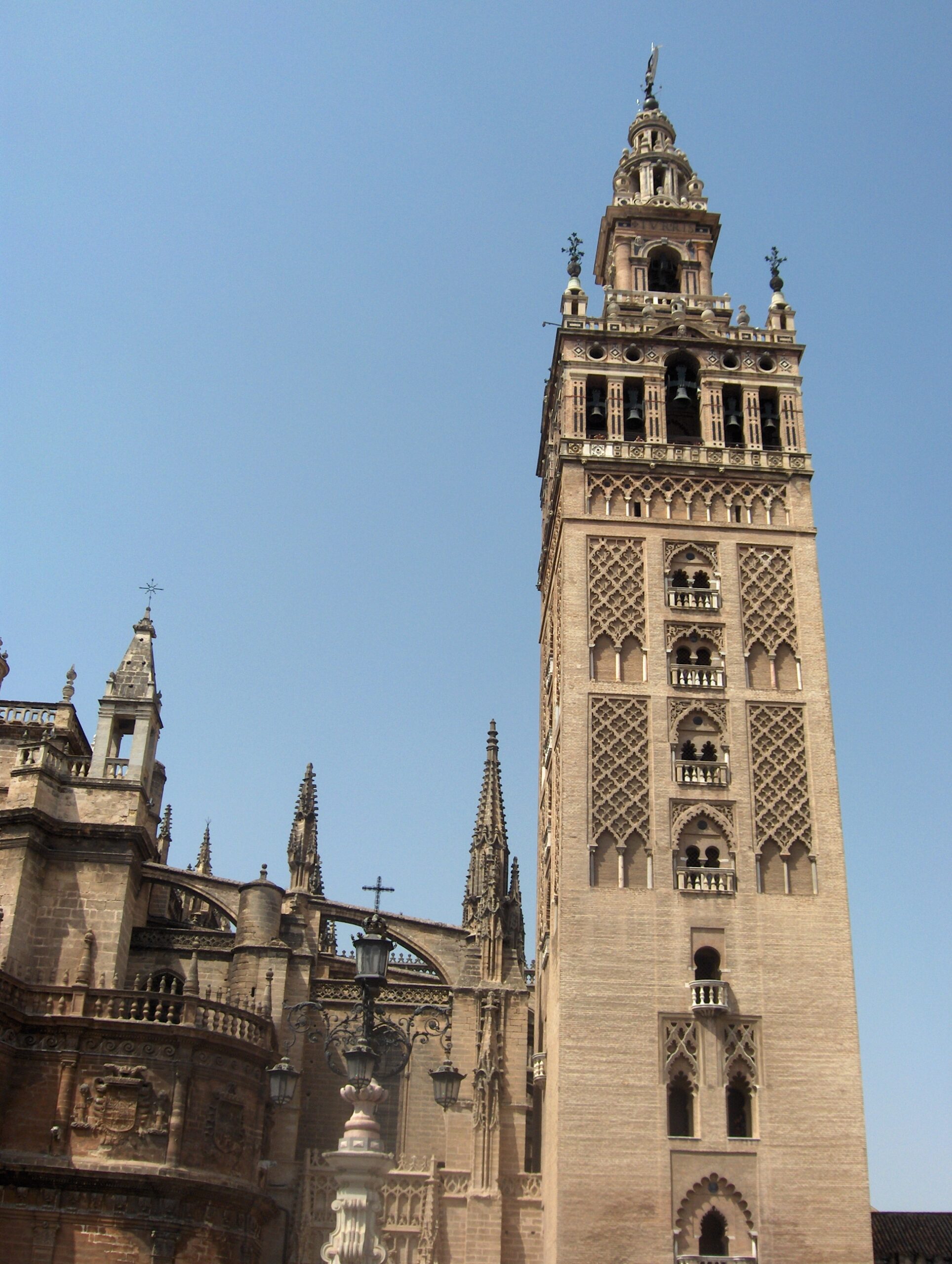
Seville is a key case for studying conquest and reuse. The Giralda, for example, began as an Almohad minaret and later became part of the cathedral landscape. That continuity does not erase the violence and power shift of conquest; it shows how buildings can carry multiple political and religious lives.
The page is also important because Seville helps readers resist a shallow visual-history mistake. Monument survival can tempt people to assume continuity without rupture. In fact, conquest, reuse, and institutional conversion are part of what gave these buildings their later lives. The event is therefore as much about power and repurposing as it is about architecture.
What Changed
The capture accelerated the reorganization of the lower Guadalquivir under Castilian rule. Muslim communities, Jewish communities, settlers, royal institutions, and church authorities all faced new legal and social arrangements. The event also helps explain why Mudejar history matters before the later Morisco period.
That change was urban and regional at once. Seville's importance as a river city, royal center, and monumental landscape meant that its capture had effects far beyond one siege. It helped reshape the balance of population, administration, and symbolic authority in southern Iberia.
Evidence Frame
The date and political outcome are secure, but local experience varied by neighborhood, status, and legal arrangement. Monumental survival should not be mistaken for cultural continuity without disruption. Read visual evidence alongside legal, narrative, and institutional sources.
Readers should also keep conquest and reuse in the same frame. It is easy to admire later monuments while forgetting the political rupture that made their later lives possible. Strong interpretation does not choose between beauty and violence; it studies how the second shaped the public afterlife of the first.
What This Event Should Teach
This event should teach readers that preservation can happen through repurposing rather than continuity. Seville matters because conquest did not simply erase major monuments, but neither did survival mean the old order remained intact. That tension is one of the clearest lessons in the archive.
Related Reading
- Compare Seville with Cordoba to see how major former Islamic urban centers were transformed.
- Use the Mudejar/Morisco article for vocabulary around Muslim communities under Christian rule.
- Read the monument-memory article before making modern claims from architecture alone.