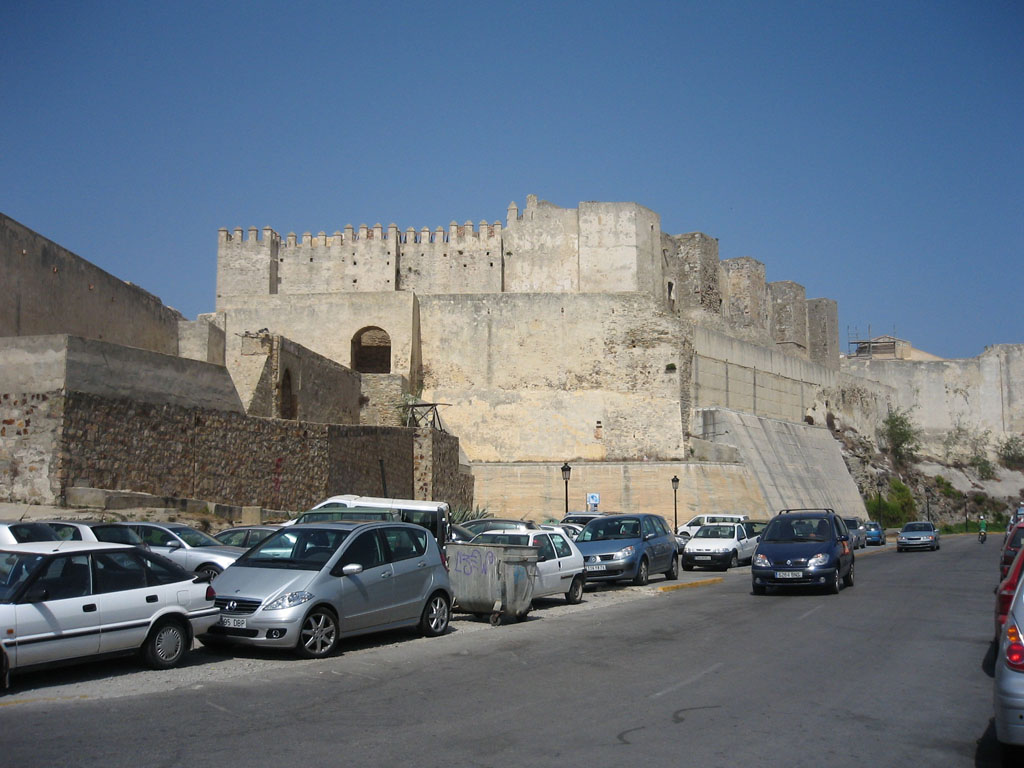

Place Summary
Strait town associated with movement between North Africa and Iberia.
Why This Place Matters
Tarifa is one of the most strategic strait nodes for reading movement between North Africa and Iberia. Its value lies in chokepoint geography: military crossing, maritime surveillance, and control of shipping routes.
It also helps connect event pages that otherwise look separate, such as Rio Salado and later cross-strait expansions.
Historical Context
Across medieval phases, Tarifa's significance persisted even as rulers changed. The site functioned within wider systems of frontier defense, diplomacy, and trade competition at the entrance to the Mediterranean.
Because of its geography, Tarifa is best read as infrastructure in motion rather than a static border town. Campaign narratives, naval movement, and cross-strait logistics all converge here, which makes it a high-value anchor for chronology-based study paths.
That is the distinctive value of Tarifa within the site. It makes readers think operationally about the strait: not only who ruled nearby, but how shipping, surveillance, war, ransom, and military timing were shaped by a narrow maritime passage.
Evidence Frame
Strong claims about Tarifa should be tied to strait function and date-specific control, not only to castle imagery. Monument views need to be paired with maritime and geopolitical context.
Without that context, Tarifa can look like just another fortified town. With it, the page becomes a reminder that some places matter because they organize movement more than because they dominate memory.
Readers should also treat Tarifa as a process page rather than a monument page. Its importance shifts with shipping, watchfulness, coalition warfare, ransom economies, and cross-strait campaigns. The place becomes more valuable when readers ask what was moving through it and who was trying to control that movement.
What to Look For
- Strait chokepoint logic and military geography.
- Links to Ceuta, Gibraltar, and Tangier.
- Maritime economics and frontier conflict overlap.
- Long-term continuity of strategic relevance across regimes.
Related Reading
- Al-Andalus and Its Neighbors: Diplomacy with Christian Kingdoms
- Raids, Ransom, and Captivity: The Border Economy
- Mediterranean Trade Networks: Ports, Goods, and Power
What This Place Should Teach
Tarifa should teach readers that chokepoints have long histories. Some places matter less because they are capitals than because they regulate routes, timing, and access. Tarifa is one of the best pages on the site for seeing the Strait as an operating system of war, trade, and diplomacy.