Editorial Summary
Historical websites need images. Readers need visual anchors. But the most shareable image is not always the closest evidence.
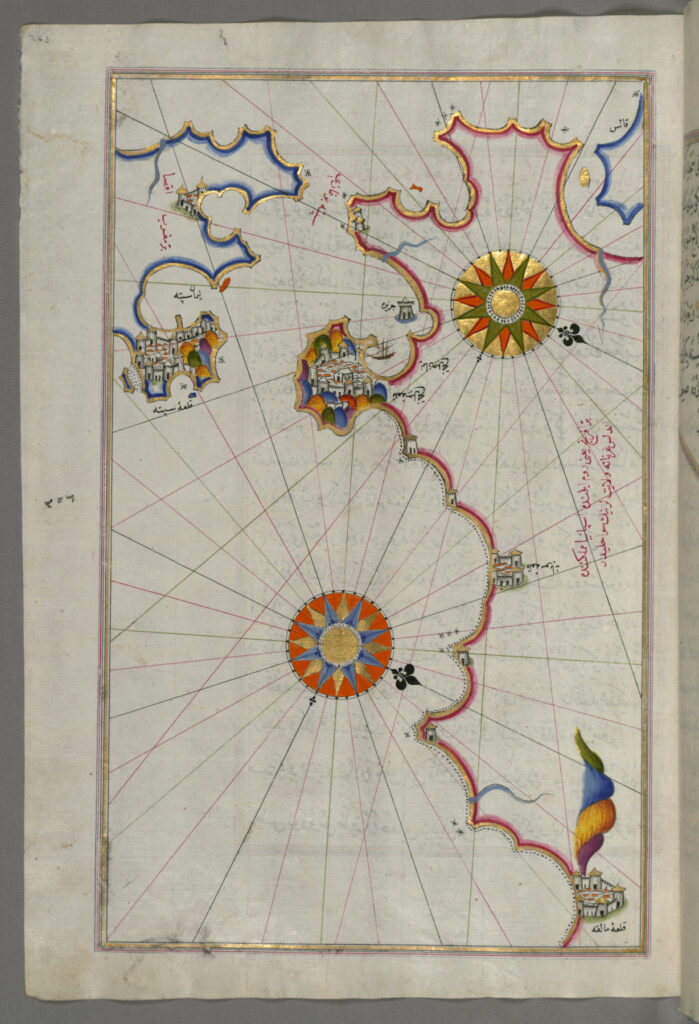
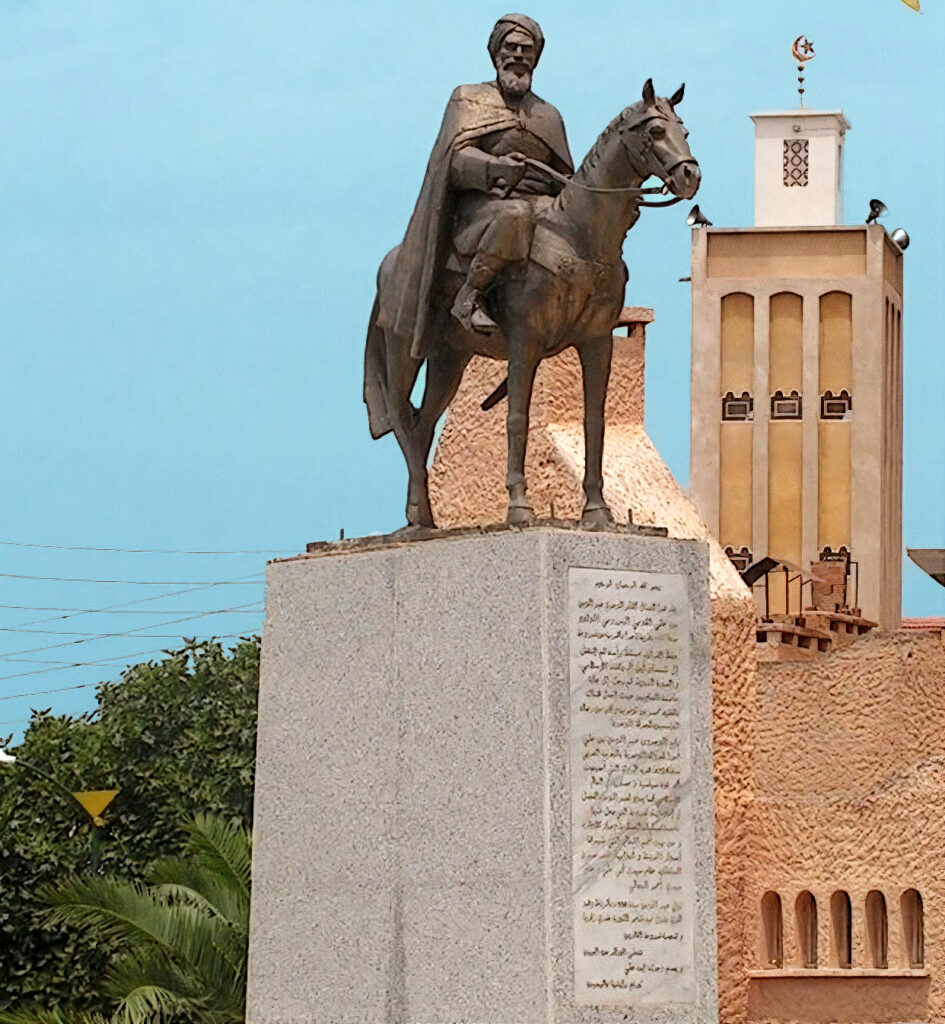
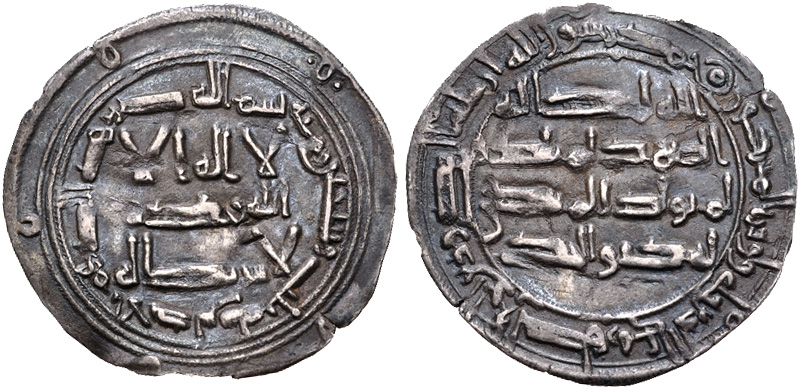
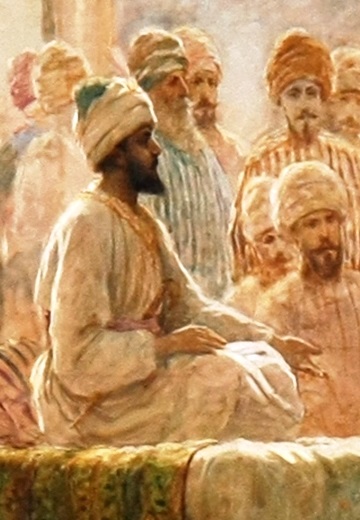
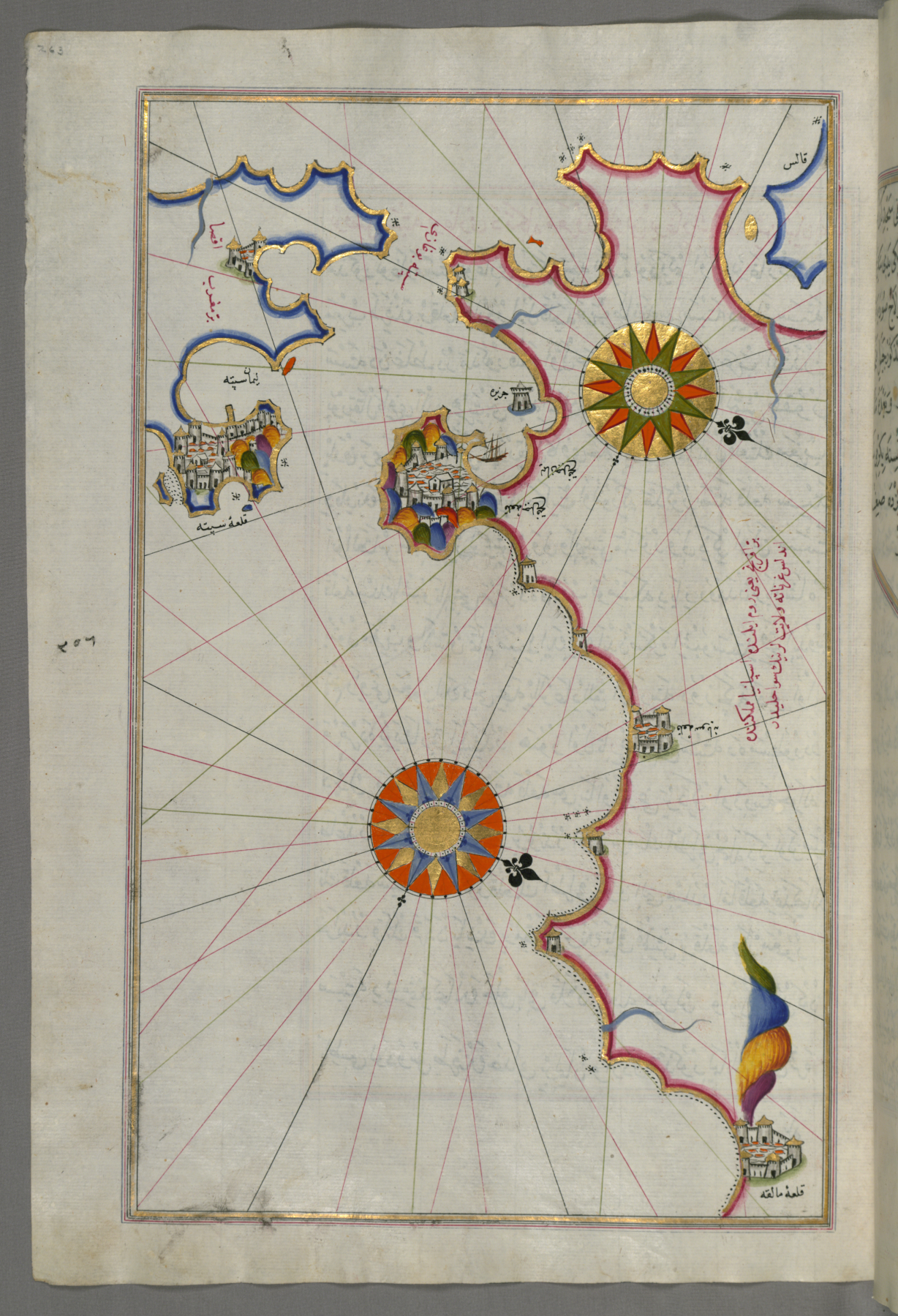
Later maps, reconstructions, monument photographs, museum displays, popular paintings, and modern educational graphics can help people enter Moor history. They can also blur the line between medieval evidence and later memory if the site does not label them carefully.
This page exists because later visuals often do two jobs at once: they orient the reader, and they quietly shape what the reader thinks happened. If the site does not separate those jobs, the image starts doing historical work it cannot justify.
What Later Images Are Good For
Later images can show how people remembered, represented, organized, or taught the past. They can orient readers geographically. They can help explain why a place, monument, or label became important in public memory.
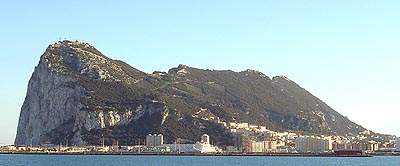
For example, a later map of the Strait of Gibraltar can still help readers understand the geographic relationship between Iberia and North Africa, even if it is not contemporary evidence for the 711 campaigns.
They are also useful for reception history. A nineteenth-century painting, a museum display, or a modern tourism image can reveal how later societies wanted Moorish history to be seen, admired, romanticized, nationalized, or sanitized.
What They Are Not
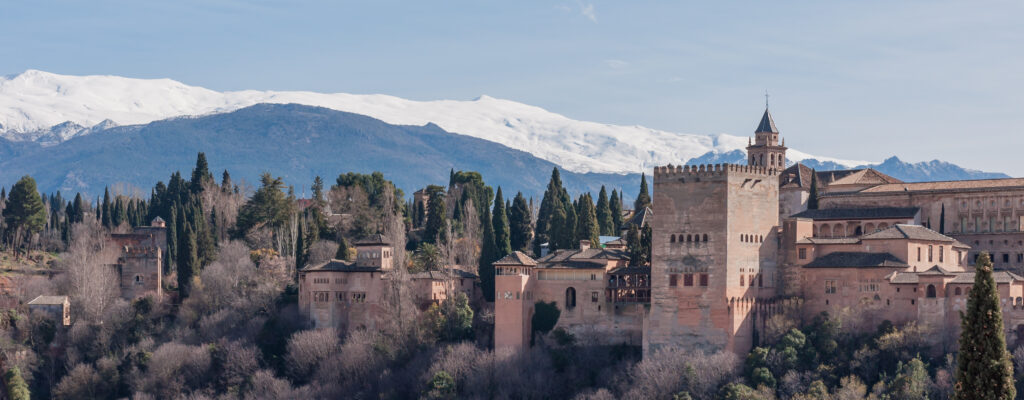
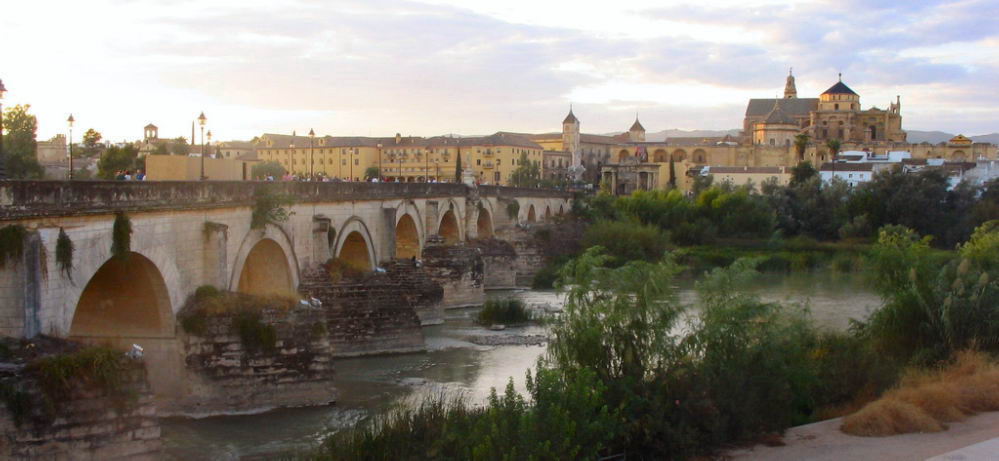
Later images are not automatic proof of the events they depict. A painting made centuries later is not the same as an eyewitness account. A modern reconstruction is not the same as an excavated object. A tourist photograph is not the same as a medieval building phase.
That does not make the image useless. It means the caption and article should say what kind of evidence it is.
This distinction matters because later images are often where overstatement begins. A dramatic reconstruction can make a doubtful claim feel concrete. A polished teaching graphic can make a contested interpretation feel settled.
Labels That Help Readers
Use clear language:
- "Later visual anchor"
- "Modern photograph of a surviving site"
- "Reconstruction"
- "Museum display"
- "Teaching map"
- "Primary-source image"
- "Public-memory image"
These labels protect trust because readers can see the site is not pretending every visual has the same evidentiary weight.
A Simple Visual Test
Before using an image to support a historical claim, ask:
- When was this image made?
- What event or period is it trying to represent?
- Is it contemporary to that period or much later?
- Is it evidence of the event itself, or evidence of later memory?
- What would I still need besides this image to support the claim?
That last question is often the most important one.
Why This Matters
Moor history carries modern identity, memory, dignity, myth, debate, and public-history energy. Images intensify that energy. The answer is not to avoid visuals. The answer is to label them honestly.
The reward for doing this well is credibility. Readers notice when a site is careful about captions, image dates, and evidentiary status. That care is part of what separates researched public history from low-value content that mainly assembles attractive visuals.
Working Conclusion
A good image does not have to prove everything. It has to be captioned well, connected to sources, and placed where it helps readers move from curiosity into careful study.