
Definition
Taifa refers to a regional kingdom or party-state that emerged after the breakdown of central authority in al-Andalus, especially after the fall of the Cordoban caliphate.
Historical Usage
Taifa politics involved rivalry, diplomacy, tribute, patronage, literary culture, and shifting alliances with both Muslim and Christian powers. The period matters because fragmentation did not simply produce chaos. It also produced new courts, new centers of patronage, and new political experiments across Iberia.
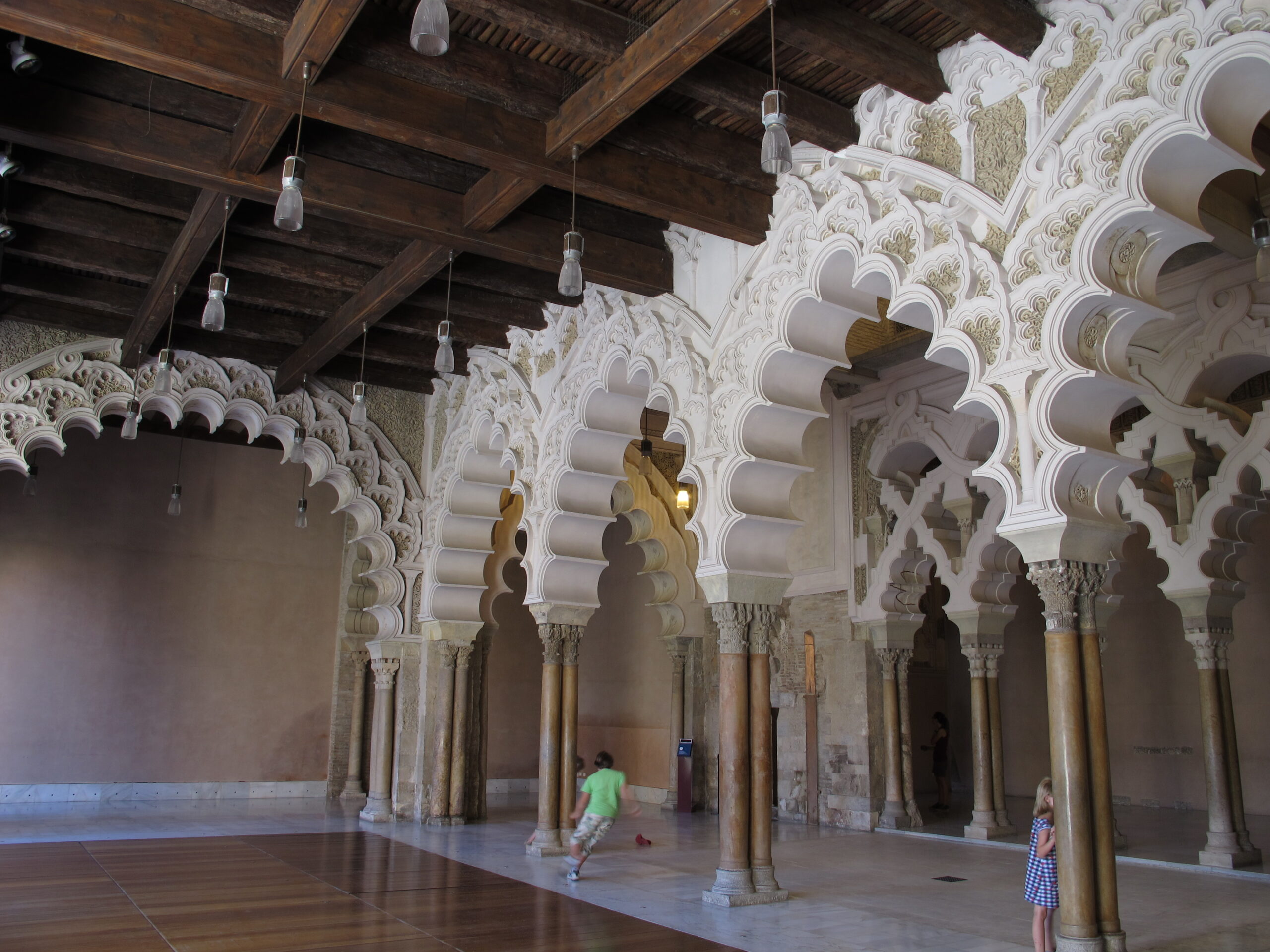
That is why taifa should not be read as a one-word verdict on decline. Some taifa rulers presided over remarkable literary and architectural life even while navigating military weakness or unstable alliances. The term points to a political form created by fragmentation, not to a single cultural mood or moral lesson.
Modern Usage
Use taifa with a date and, when possible, with a place. The first taifa period after 1031 is not the only moment of fragmentation in Andalusi history, so chronology matters.
Common Confusion
The period was neither simple decline nor simple golden age. Political fragmentation and cultural production could exist together. Taifa also does not always mean tiny city-state. Some taifa rulers held broader territory and regional ambition. The right question is what kind of polity is being described, not just whether the label sounds fragmented.