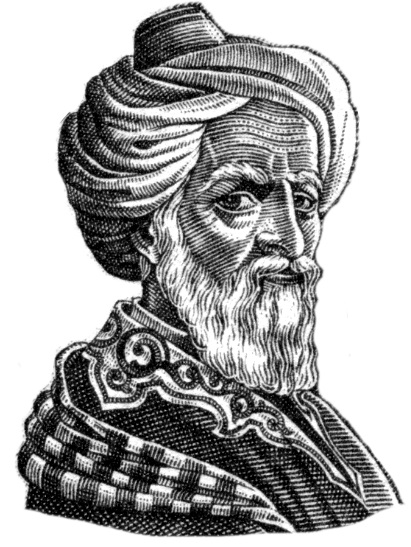

al-Zahrawi, known in Latin as Abulcasis, was a Cordoban physician and surgical writer. He matters because his medical encyclopedia and surgical discussions became influential across Arabic and Latin learned traditions.
Why This Person Matters
al-Zahrawi helps readers connect Andalusi courtly and urban life to the history of medicine, technical writing, and the movement of knowledge across languages. His reputation also shows why al-Andalus became part of later European medical memory.
His page is one of the clearest places to show that "science in al-Andalus" was not only abstract philosophy or decorative golden-age language. It involved medical compilation, practical technique, terminology, instruments, teaching, copying, and translation. al-Zahrawi's surgical material gives readers a concrete entry point into that world.
Historical Context
Read this profile through the scholarly and medical environment around Cordoba in the caliphal period. Medical achievement depended on libraries, patrons, copied texts, practical training, and the preservation of specialized knowledge.
al-Zahrawi is associated with the Cordoban world of the late tenth and early eleventh centuries, when the Umayyad caliphate supported a dense culture of books, court service, and specialized expertise. A physician's authority depended not only on personal skill but also on access to texts, instruments, patients, patrons, and learned networks.
The work most associated with him is a large medical encyclopedia often known through its Latinized reception. Its surgical section became especially famous because it described procedures and instruments in a way that later readers could study, copy, translate, and debate. That textual afterlife is part of why al-Zahrawi appears so often in histories of medicine.
Surgery, Instruments, and Text
The strongest claims about al-Zahrawi should begin with his writing. The surgical material attributed to him discusses tools, cautery, wounds, bone-setting, obstetrical procedures, and other technical topics. It is not a modern surgical manual, but it does show a learned author trying to organize practical medical knowledge in textual form.
The instruments matter because they make the page visual and specific. They also remind readers that medical history is material history: metal tools, diagrams, manuscript copying, terminology, and the training of practitioners all shaped how knowledge survived.
Latin Reception
al-Zahrawi's reputation in Europe grew through translation and medical education. In Latin tradition, Abulcasis became a name attached to surgical authority, especially in the later medieval and early modern memory of medical learning. That does not mean every later surgical practice came directly from him, but it does show that Andalusi medical writing entered wider circuits of study.
This is where the site should be precise. Influence is strongest when it can be traced through texts, translations, manuscripts, citations, and teaching traditions. A broad statement like "he invented surgery" is less useful than a careful statement about how his surgical writing was transmitted and remembered.
What We Can Say With Care
The record supports al-Zahrawi's importance as a major medical author. The page should avoid turning him into a lone inventor of every later technique; influence is best shown through texts, manuscripts, translations, and documented reception.
The safer editorial line is that al-Zahrawi was a major Andalusi medical writer whose surgical section became unusually influential. That is already a strong claim, and it avoids the inflated internet version where one person is made to carry the whole history of medicine.
Evidence Limits
Names, titles, spellings, and reputations often shift across Arabic, Latin, Romance, Hebrew, and modern scholarly traditions. Treat exact anecdotes cautiously unless a source trail is clear.
Connected Reading
Use this page as a bridge into the relevant places, timeline events, articles, and source records.