Editorial Summary
The Almohads were a Maghrebi reform movement and empire that replaced Almoravid power. Their story runs through Ibn Tumart, Tinmal, Abd al-Mumin, Marrakesh, Iberian campaigns, major architecture, and the fragmentation that followed their decline.
This is one of the places where MoorOfUS has to keep the Maghreb at the center. The Almohads are often reduced to a chapter in Spanish history or to a list of battles in Iberia. That misses the movement's religious claims, North African foundations, and imperial scale.
Reform Movement Before Empire
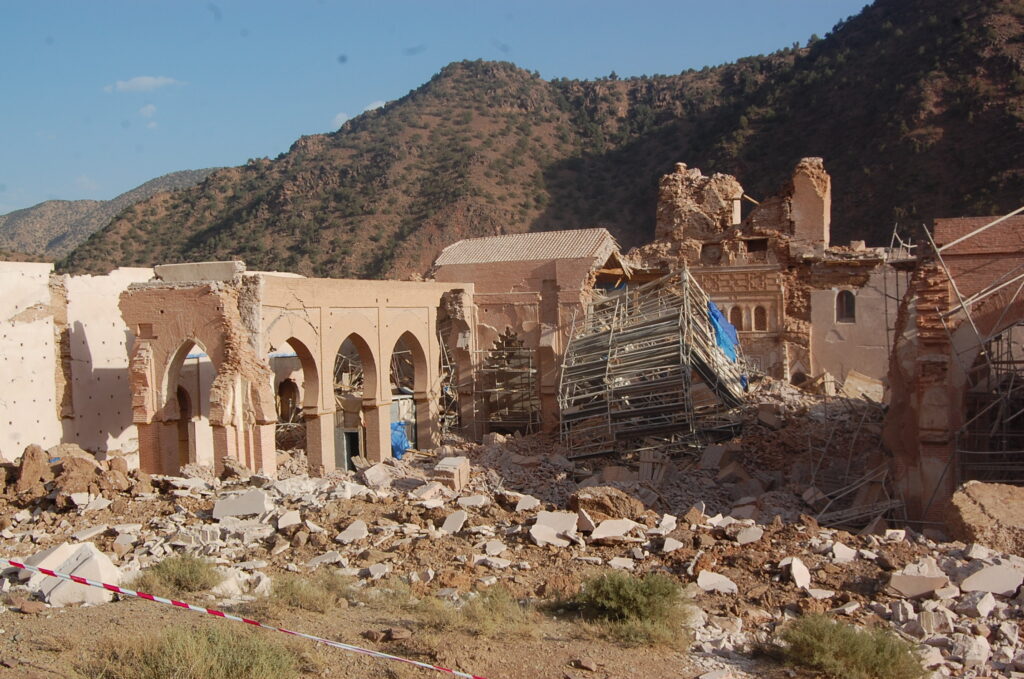
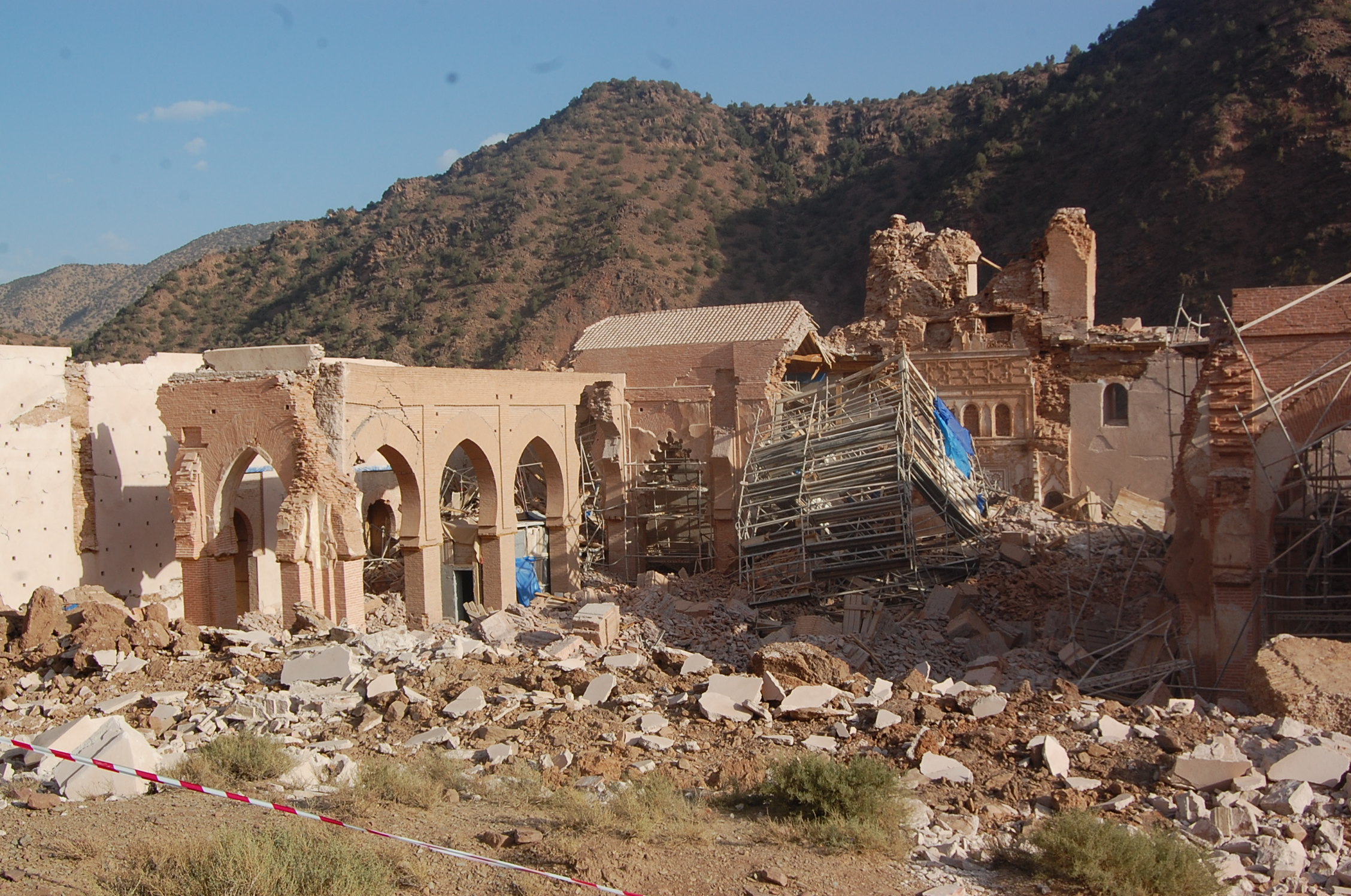
The Almohads began as a reform movement before they became an empire. Ibn Tumart's teaching and the community associated with Tinmal gave the movement a religious-political identity that differed from the Almoravids they opposed.
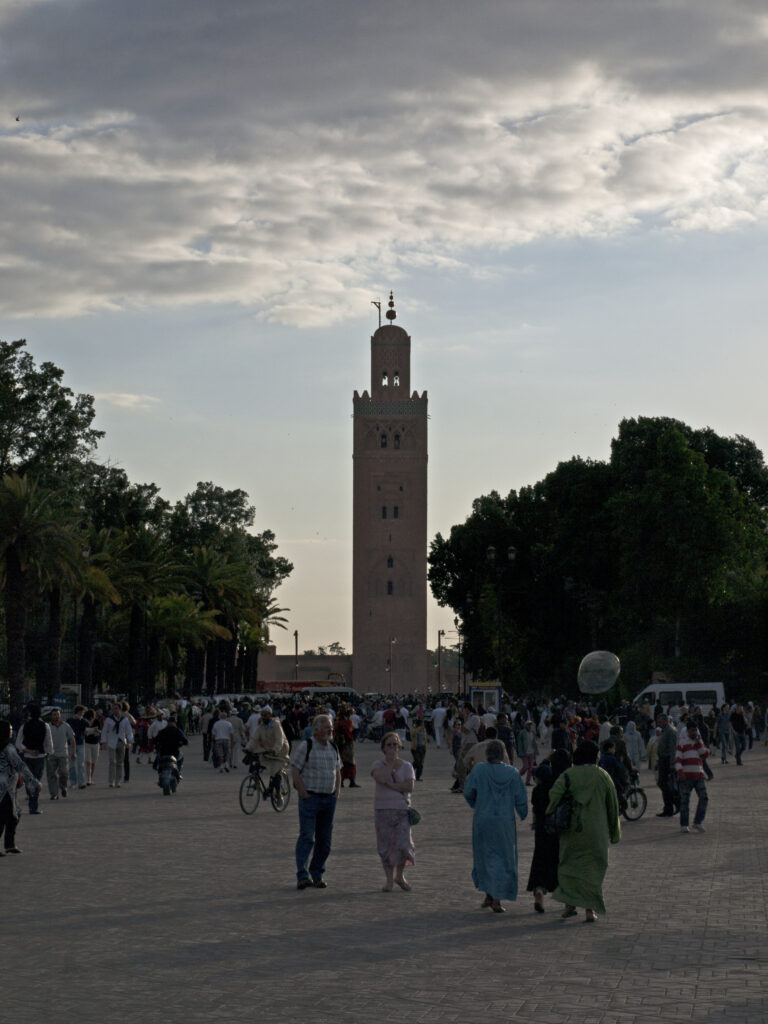
Abd al-Mumin then turned that movement into imperial power. The capture of Marrakesh in 1147 marked a decisive shift in western Islamic politics.
That sequence matters because it changes how the empire should be read. Almohad rule did not begin as mere territorial expansion. It began with a claim about religious correction, legitimate leadership, and disciplined community. The later empire carried those claims with it, even when it was also acting like a large imperial state.
Empire Across the Strait
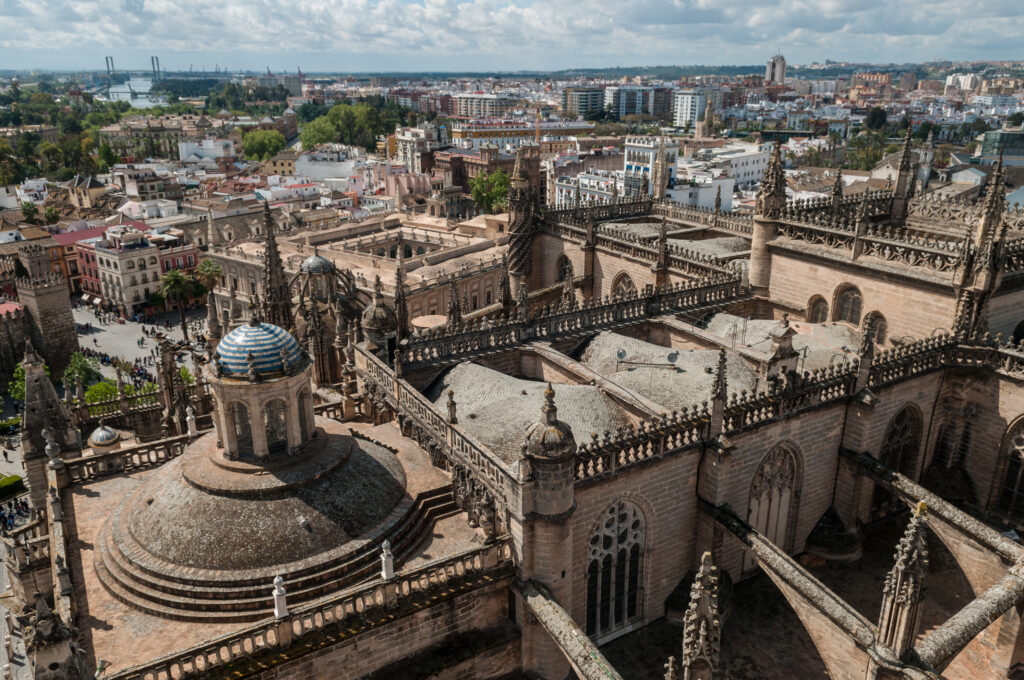
Almohad rule connected North Africa and al-Andalus. It affected cities, courts, law, architecture, military campaigns, and relations with Christian Iberian kingdoms. Seville became especially important in the Iberian side of Almohad power.
The battle of Alarcos in 1195 showed Almohad strength. Las Navas de Tolosa in 1212 marked a major blow, though decline was a process rather than a single-day collapse.
Cross-strait rule is one of the page's main lessons. The Almohads should not be split into a "North African chapter" and a separate "Spanish chapter." Their political world was organized across both shores, and that is exactly why their institutions, buildings, and campaigns mattered so widely.
Architecture and Authority
Almohad buildings and urban projects should be read as political evidence as well as art. Mosques, minarets, fortifications, and city works helped express imperial order, reform, and visibility.
This is where the page can become more than a dynasty summary. Architecture under the Almohads was part of rule. Minarets, mosques, and urban works communicated legitimacy, discipline, and grandeur. They were not afterthoughts to politics; they were one of the ways politics became public.
Aftermath
Almohad decline changed both sides of the western Mediterranean. In Iberia, Christian expansion accelerated and regional Muslim power contracted toward Granada. In North Africa, post-Almohad powers such as the Marinids emerged in a changed political field.
It is important not to turn "aftermath" into simple disappearance. The movement's political decline did not erase its institutional, architectural, and intellectual effects. Later powers inherited a field shaped by Almohad success and failure alike.
What This Page Should Help Readers Do
After reading this page, a visitor should be able to:
- distinguish Almohads from Almoravids
- explain why Tinmal and Marrakesh matter
- place Iberian campaigns inside a Maghrebi imperial frame
- avoid using "Almohad" as just another generic Moorish label
That last point matters. A stronger site is one that keeps named movements visible instead of letting all difference collapse into one civilizational word.
Working Conclusion
The Almohads are a reminder that "Moorish history" includes reform movements, institutions, doctrine, architecture, and Maghrebi imperial politics, not only battles in Spain.