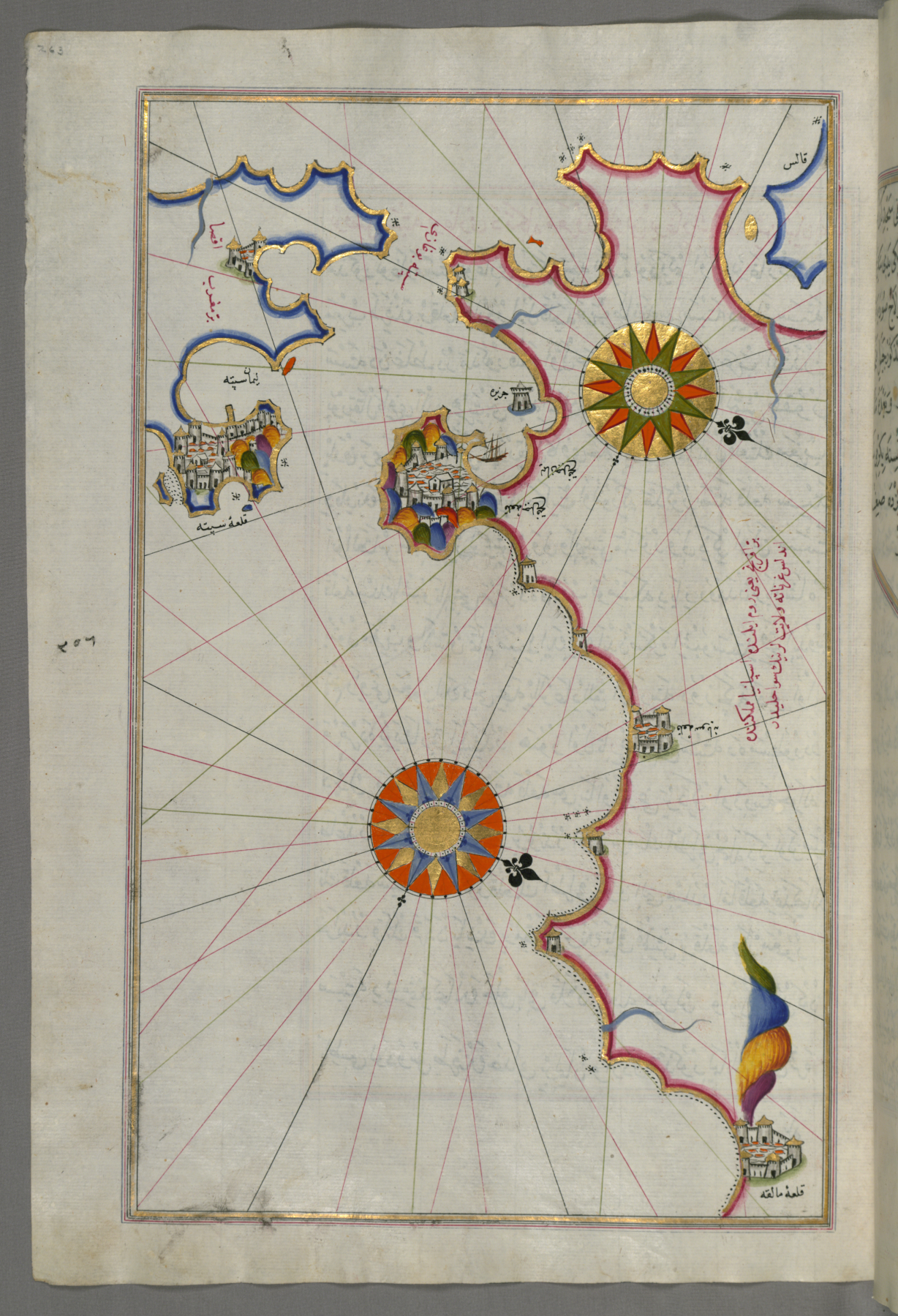

Definition
Reconquista is a later framing term for Christian expansion against Muslim-ruled territories in Iberia. It can be useful as a historiographical label, but it is not a neutral master-key for seven centuries of medieval politics.
Historical Usage
The term can obscure the fact that medieval Iberian politics included alliances across faith lines, tribute arrangements, local rivalries, dynastic ambition, and shifting frontiers. Medieval actors did not all share one continuous national script, and many conflicts were driven by immediate political circumstance rather than by one inevitable long-term program.
That is why the word needs careful framing. It names a later way of organizing the past, not a self-evident explanation built into every event from 711 to 1492. Some contexts call for the term because readers need to understand the debate around it. But many pages are clearer when they name the actual event instead: conquest of Toledo, Christian expansion in the Ebro valley, fall of Seville, or War of Granada.
Modern Usage
Use the word when readers need to understand the debate, but explain its limits. More precise wording is often better: conquest of Toledo, fall of Seville, War of Granada, or Christian expansion in a specific period.
Common Confusion
Reconquista should not be treated as proof that medieval people shared one modern national story across seven centuries. It is also a mistake to assume that rejecting the term means denying Christian expansion happened. The issue is not whether conquest occurred, but how responsibly we describe it.