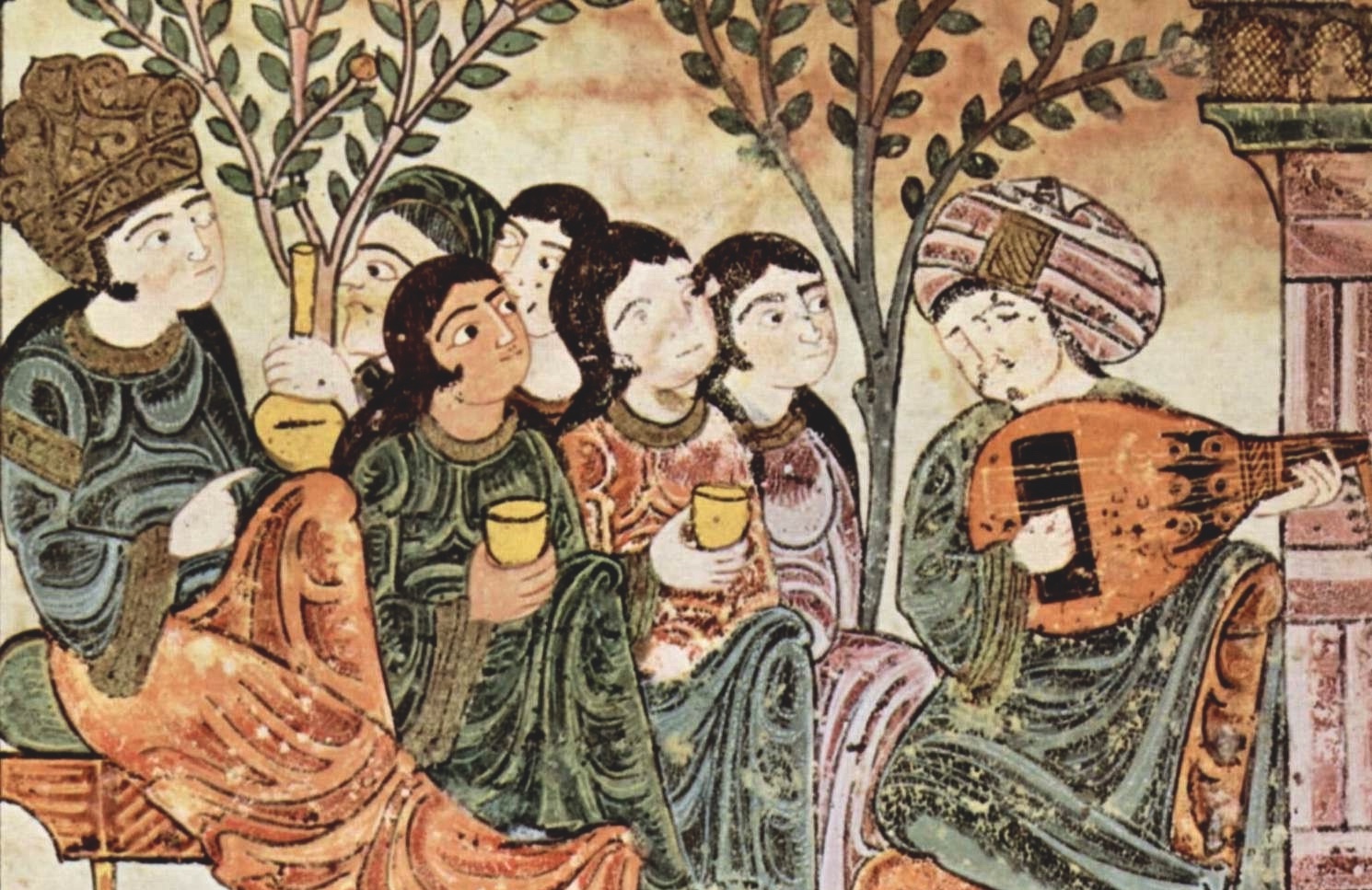

Definition
Adab is a broad Arabic term connected to literature, cultivated conduct, education, style, and elite social knowledge. It points to more than reading and writing. It also names a way of being formed for cultured social life.
Historical Usage
In al-Andalus, adab belonged to courtly, scholarly, and literary culture. It could shape how people wrote, performed knowledge, served patrons, and signaled refinement. Poetry, anecdotes, belles-lettres, ethical instruction, and polished conversation could all fall inside this world.
That matters because adab was not merely decorative culture. It helped organize patronage, status, and elite education. A courtier or scholar did not simply possess information; he demonstrated formation, judgment, taste, and social fluency. So when a source invokes adab, it often points to a whole social technology of refinement rather than to “literature” in the narrow modern sense.
Modern Usage
Translate with care. Literature, etiquette, humane learning, and cultivated conduct each catch part of the meaning, but none covers it fully on its own.
Common Confusion
Adab was not just decorative culture or leisure reading. It could help organize status, education, patronage, and political communication. A better reader question is: does the source mean a body of texts, a mode of conduct, or an elite formation ideal? Often it means more than one at once.