Purpose
This reading list gives readers a guided path through language and literature in Moor History Center. It starts with social setting, moves into literary forms and court culture, and then opens named people who make the topic more memorable.
How to Read This List
Read the first three items as the evidence frame: language use changes by setting, status, genre, and period. Then move into adab and poetry, where words become social performance. Use the people records after the articles so biographies feel connected to the larger literary world.
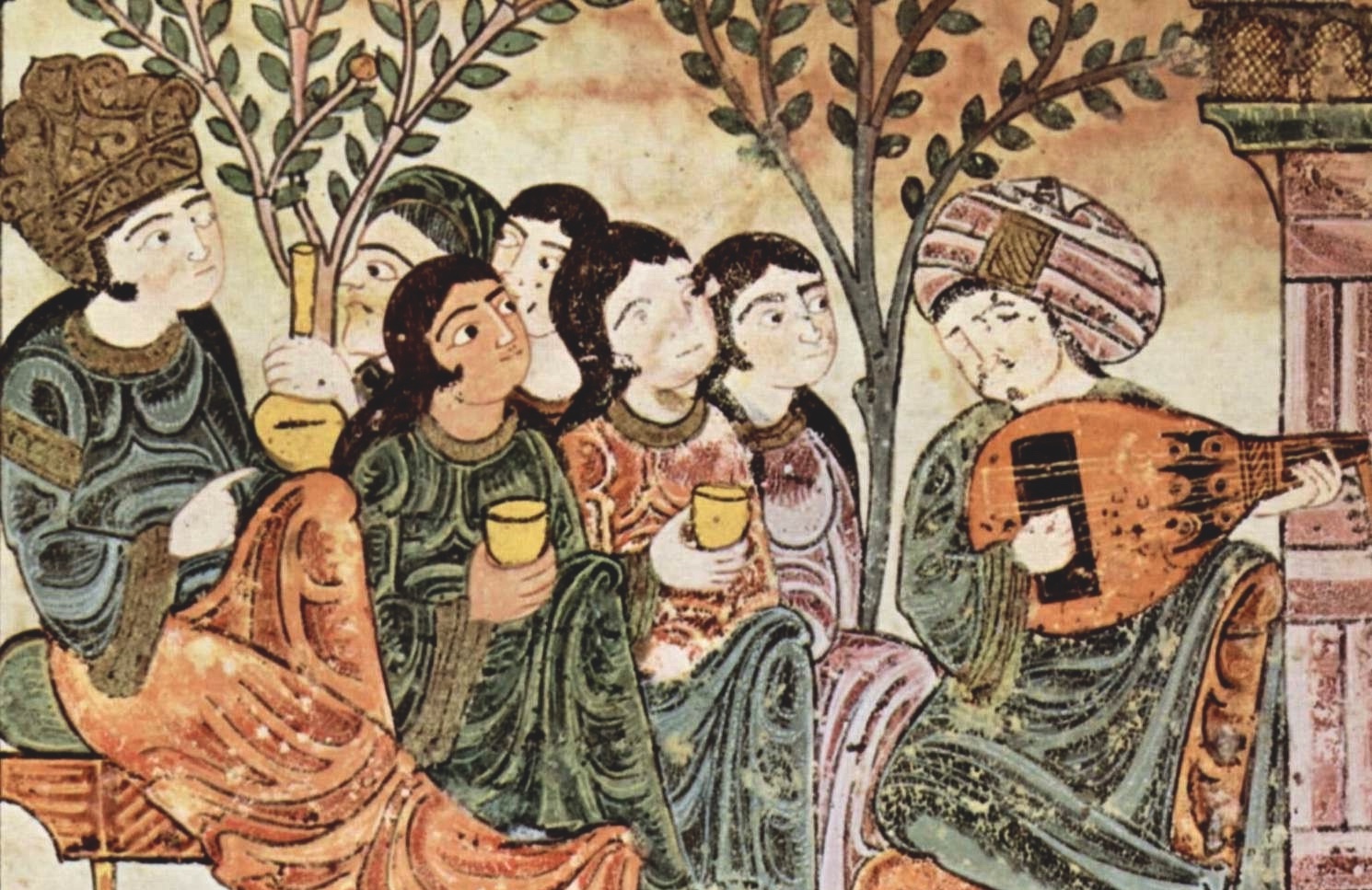
Do not read the literary pages as if they float free from politics or institutions. Language choice can mark prestige, schooling, audience, confession, or court position. Poetry and prose can preserve emotion and beauty, but they can also perform rank, negotiate patronage, and build memory. The route is strongest when readers keep form, audience, and social setting together.
Editorial Goal
The goal is to prevent two common flattenings: treating language as a simple ethnic label, and treating literature as decoration. In this route, language is evidence, and literature is a social practice tied to patronage, memory, power, and survival.
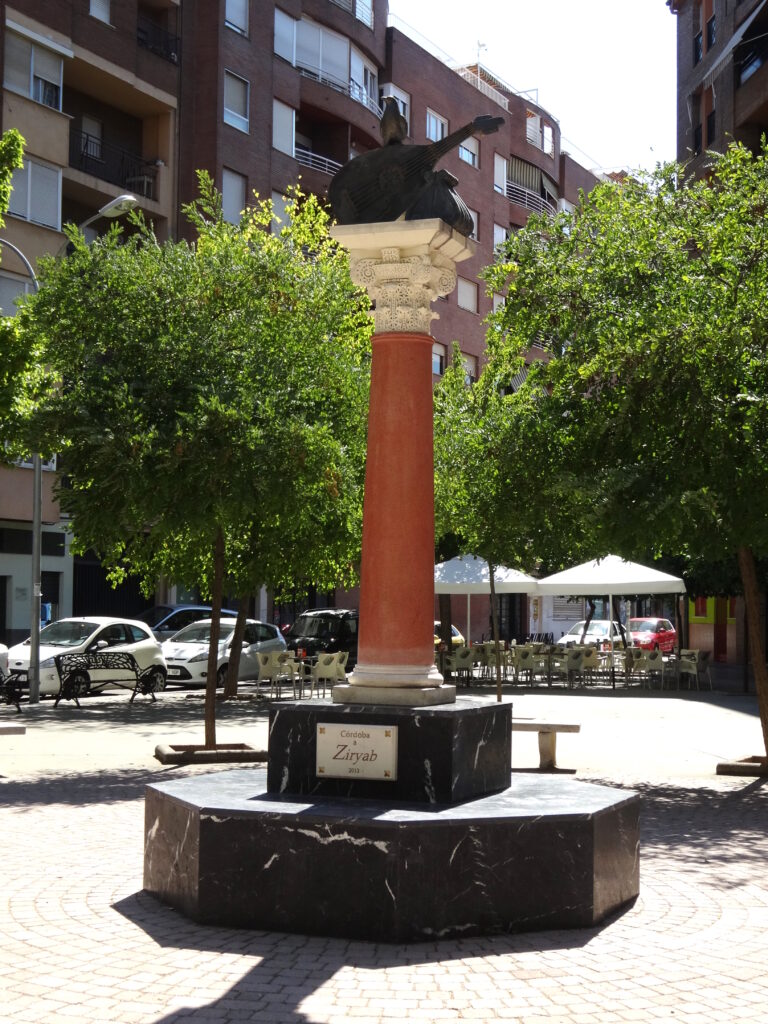
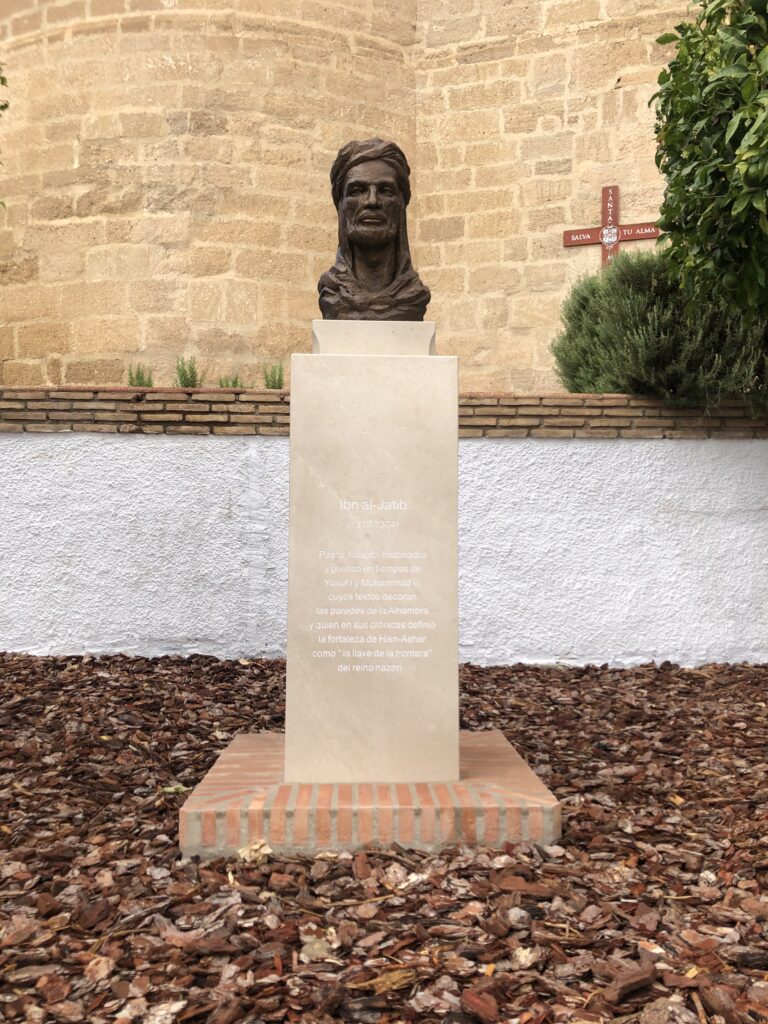
That is also why the people records come after the thematic articles. Figures like Wallada, Ziryab, or Ibn al-Khatib are easy to turn into symbols or anecdotes. The surrounding articles make it easier to read them as historically located participants in larger language worlds.
Next Route
After this path, readers can move toward Science, Philosophy, and Education for transmission and learned culture, or toward Daily Life in Moorish Societies for the social settings where language, music, poetry, and status were performed.