Editorial Summary
A short, sourced explainer of how 'Moor' was used historically (and how it was not).
What This Page Establishes
This page gives readers a stable frame for What Does “Moor” Mean? A Historical Definition. It defines the topic, names the evidence problem, and shows how the subject connects to people, places, events, claims, and sources elsewhere in Moor History Center.
What it still needs to make explicit is the simplest rule on the site: never treat Moor as self-explanatory. The word is useful only after it has been narrowed by source, date, language, and setting.
Historical Context
This topic is mainly about terminology and identity. The safest reading begins with who is using a label, in which language, and for what purpose. The core question is not whether a single label can explain everything, but how power, geography, language, religion, and memory changed across time.
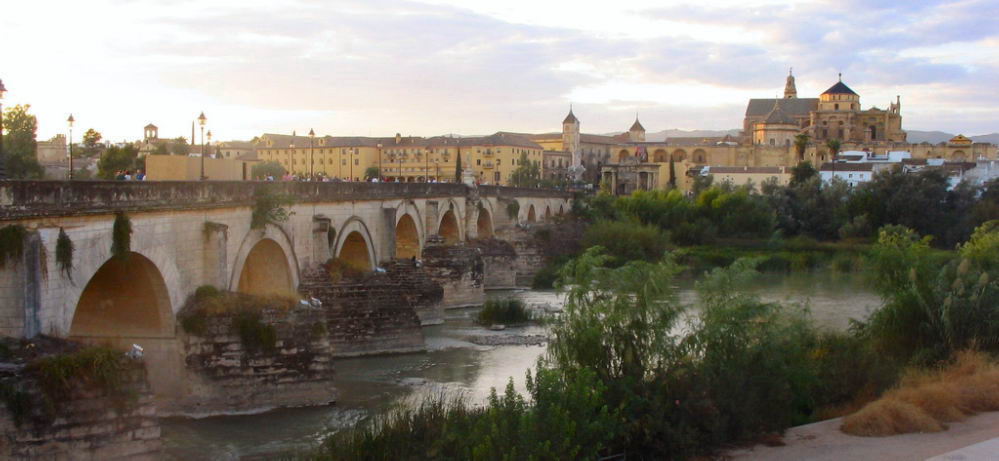
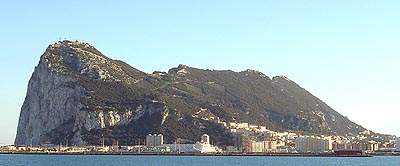
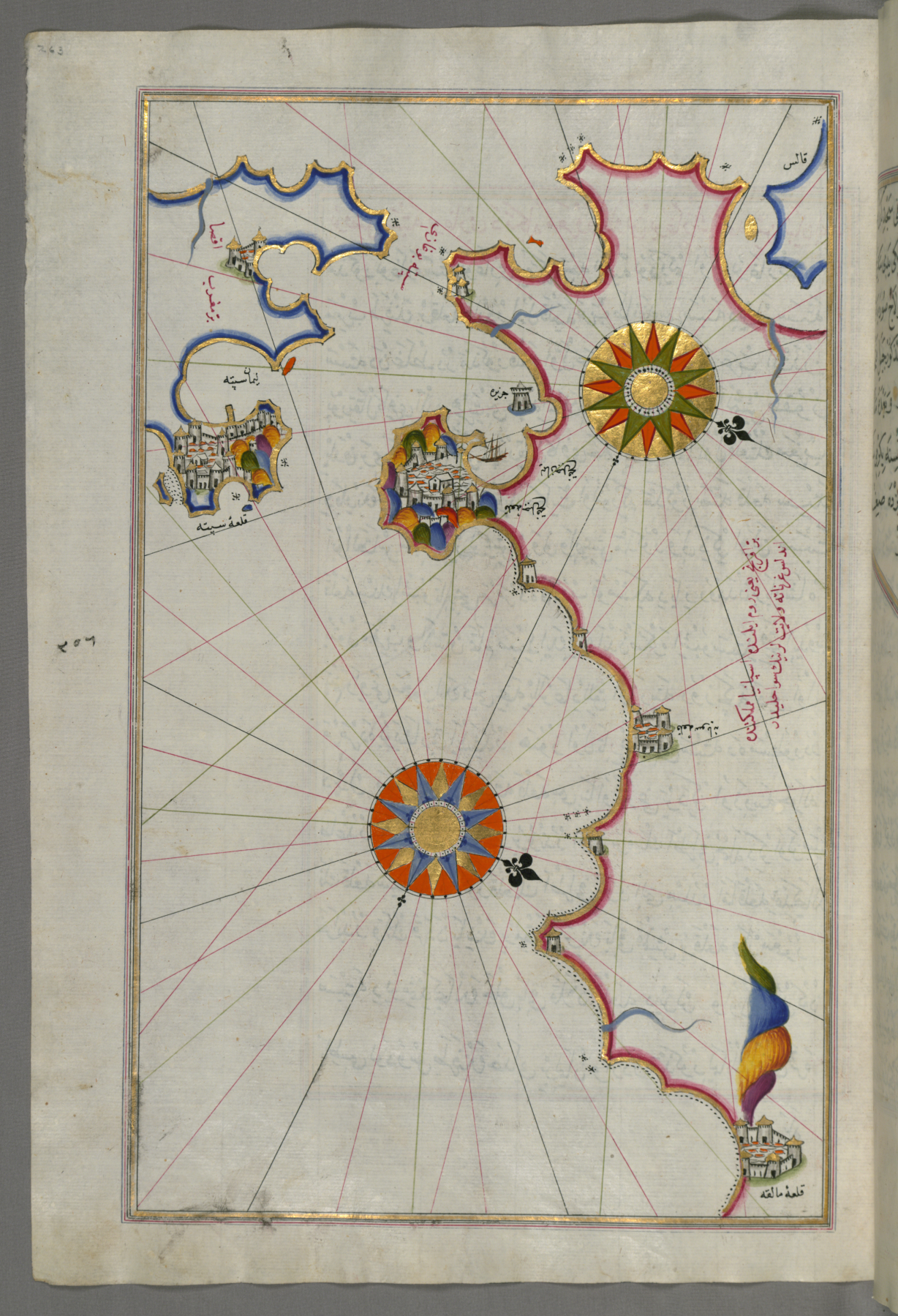
That is why the page belongs near maps, Gibraltar, Cordoba, and the early conquest route. Readers often think a word like Moor points to one people moving through one geography. In practice, it points to changing perceptions across the western Mediterranean and beyond.
Evidence Frame
Do not treat medieval labels as if they mapped neatly onto modern racial, national, or legal identities. The best reading strategy is to compare source genre, date, author position, and later reuse before drawing broad conclusions.
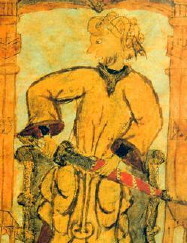
This page should also make clear that the term can be external, internal, descriptive, hostile, vague, or strategic depending on who is speaking. A label in a Christian chronicle is not doing the same work as a label in a modern identity context.
What to Ask While Reading
- Who used the label?
- What geography or religion did it point to?
- What later meaning has been added?
- Is the label naming a people, a religion, an enemy, a region, or an imagined type?
- What more precise term might fit the source better?
What Sources Let Us Say
The sources let us describe patterns, institutions, events, and terms with reasonable confidence when the claim is limited to a specific context. They are weaker when asked to prove sweeping statements about all Moors, all Muslims, all Iberians, or all later cultural survivals.
More directly: sources can often tell us how a label was being used in one setting. They are much weaker when readers use one occurrence of the word to define all other occurrences. That is the interpretive trap this page is trying to prevent.
What Remains Cautious
Many surviving texts were written by elites, polemicists, administrators, jurists, chroniclers, or later historians. That means ordinary people, women, enslaved people, rural communities, and minority voices can be harder to see. Where the record is uneven, this page avoids pretending certainty.
This page should also stay cautious about retrospective confidence. Later memory, colonial writing, nationalist uses, and modern identity movements all add new meanings to the word. Those meanings may matter, but they are not identical to medieval source usage.
What This Page Should Teach
After reading this page, a visitor should be able to:
- explain why Moor is a shifting label
- ask the right contextual questions before repeating the term
- separate medieval usage from later identity meaning
- prefer narrower historical language when the evidence allows it
Working Conclusion
What Does “Moor” Mean? A Historical Definition belongs in a layered history. The most useful conclusion is specific: name the century, location, community, and type of evidence before making a claim.