
Event Summary
A traditional name for early battles and campaigns during the Muslim entry into Iberia; details and dating vary by source tradition.
What Happened
The 711 crossing marks the opening phase of Muslim-led campaigns into Visigothic Iberia. Later traditions connect the movement with Tariq ibn Ziyad, the Strait, and the battle often called Guadalete, but the exact sequence, names, motives, and speeches are filtered through later narrative sources.
This page treats 711 as a beginning point for consolidation, not as a complete explanation for how al-Andalus formed. Military victory, local politics, negotiated submission, taxation, settlement, and later administration all mattered after the initial campaigns.
Why It Matters
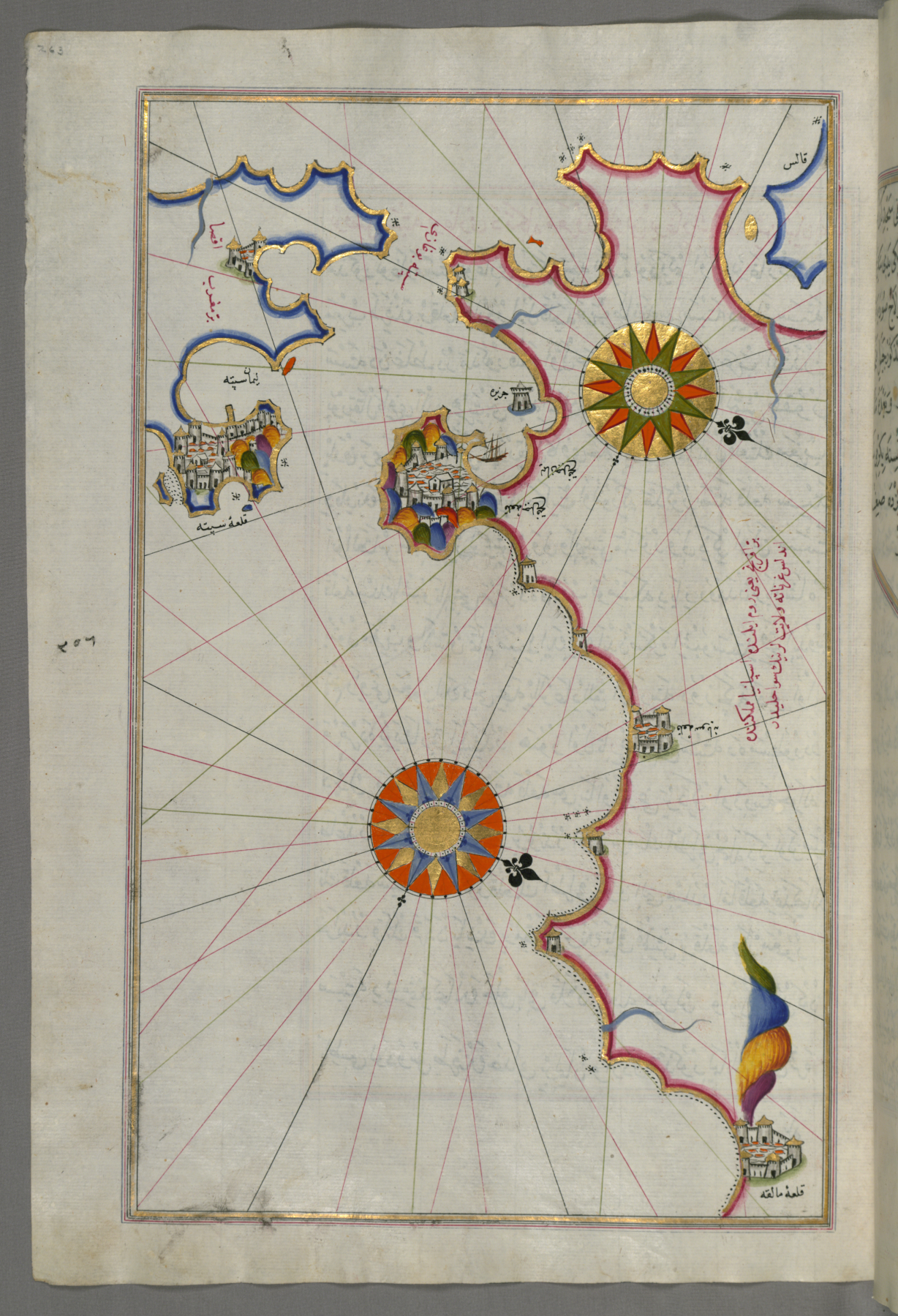
The crossing is the most common entry point into Moorish history in Iberia. It helps readers understand why geography matters: the Strait linked North Africa and Iberia, and later writers turned that crossing into an origin story for Muslim rule in al-Andalus.
It also matters because this is one of the first places where public memory outruns the evidence. Readers often meet 711 through dramatic speeches, single-battle narratives, or simplified maps. This page works best when treated as a starting point for asking how conquest narratives are built, not just as a heroic episode to repeat.
What Changed
Visigothic political authority fractured under new military pressure, and Iberia became part of a wider western Islamic political world. The change was not instant or uniform. Different cities and regions entered the new order through conflict, accommodation, and local bargains.
That unevenness is the main historical lesson. The event did not produce a finished al-Andalus overnight. It opened a process of negotiation, settlement, administration, and regional variation that had to be built over time.
Evidence Frame
Use the event carefully. Chronicle traditions preserve a real turning point, but they also shape heroes, betrayals, numbers, and moral lessons. Stronger claims should distinguish what sources support from what later memory adds.
Readers should also keep scale in view. The crossing matters as a military opening, but its historical importance comes from what followed: local bargains, tax systems, settlement, administration, and the gradual formation of a new political order. Strong interpretation therefore connects 711 to consolidation instead of treating it as a complete story.
What This Event Should Teach
This event should teach readers that origin stories need unpacking. A real turning point can later be retold as one battle, one hero, or one dramatic crossing, but the historical process is usually wider and slower. For MoorOfUS, 711 is best understood as the beginning of a formation process, not a finished legend.
Related Reading
- Conquest and consolidation after 711.
- Tariq ibn Ziyad and Musa ibn Nusayr as remembered figures.
- Gibraltar and the Strait as geographic evidence, not proof of every later legend.