
Musa ibn Nusayr matters because he helps readers move beyond a single-name conquest story. He was a major Umayyad governor and commander in North Africa whose campaigns, administration, and relationship to other military actors shaped the early political setting in which al-Andalus emerged.
Why This Person Matters
Musa helps readers see that the 711 era was not just the story of one dramatic crossing. Early conquest and consolidation depended on chains of command, provincial governance, and competition over credit, all of which make his career historically important.
He is especially valuable because he brings North Africa back into the picture. Many beginner accounts jump straight from Iberian crisis to Iberian conquest, but Musa's career shows that western Umayyad expansion, provincial administration, and Maghrebi consolidation were part of the same story.
Historical Context
Read Musa through late Umayyad expansion across North Africa and into Iberia, where military command and provincial governance were tightly linked. His career belongs to the same formative world as Tariq ibn Ziyad, but the evidence often survives through later narratives that distribute prestige unevenly.
Regional consolidation in North Africa was central to this process. The opening phase of al-Andalus cannot be separated from earlier Maghrebi administrative and military structures that made cross-strait campaigning possible.
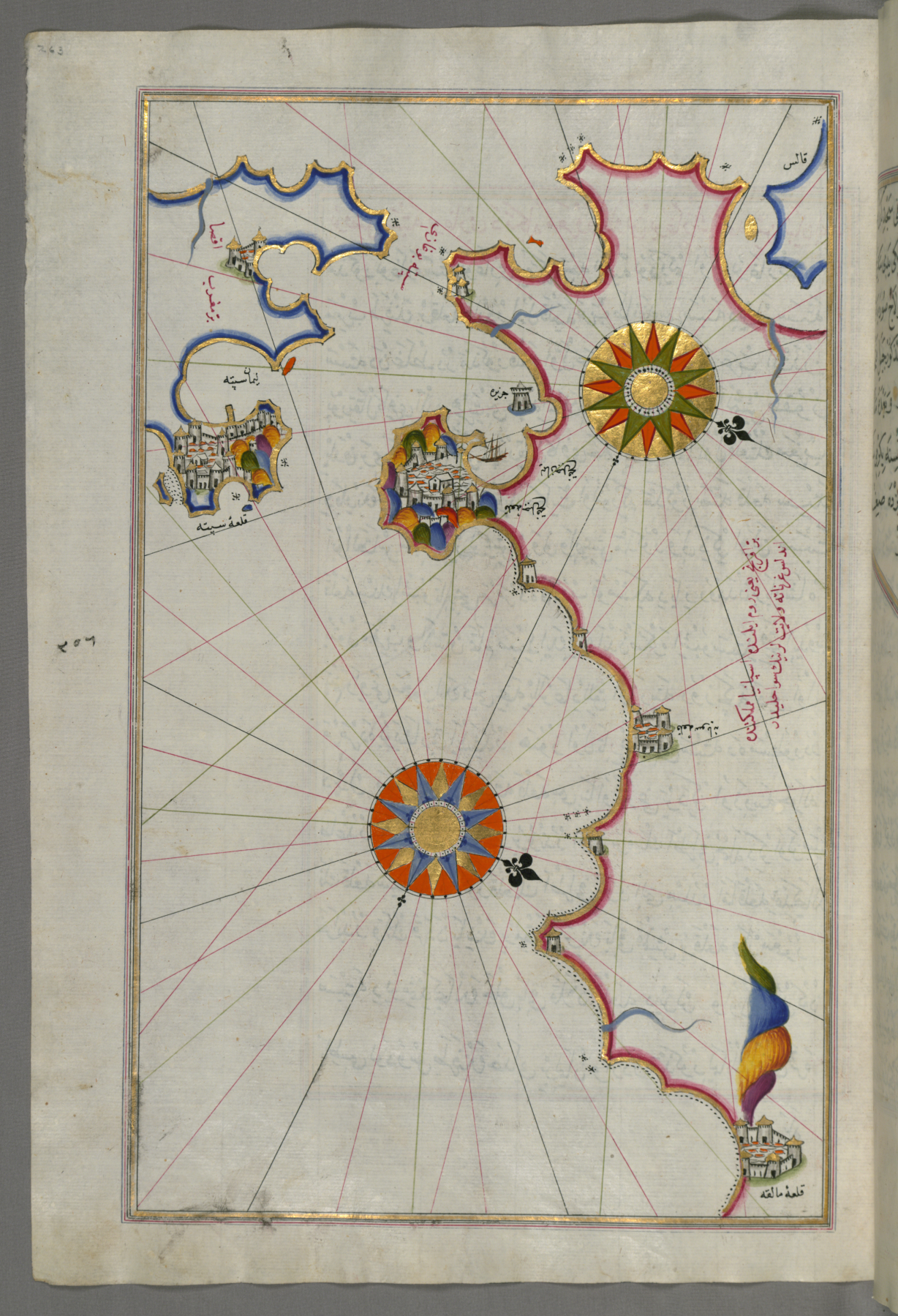
That is also why the featured image is a strait-zone map rather than a portrait. For Musa, geographic infrastructure and command space matter more than later personality cult. This page works best when readers see the western Mediterranean as an operating field connecting Ceuta, Tangier, Gibraltar, and Iberian landing zones.
What We Can Say With Care
The record supports a strong account of Musa as a key actor in the western Umayyad expansion. It is less secure when later chroniclers turn the opening of al-Andalus into a tidy heroic sequence with cleanly separated roles and motivations.
Careful framing keeps agency shared across multiple actors and avoids hero-centered simplifications that obscure provincial governance and alliance dynamics.
It is also careful to note that Musa's importance was not only military. Governance, logistics, and the ability to coordinate expansion from North Africa are part of why he matters. A page that treats him as merely Tariq's superior or rival misses the larger administrative scale of his role.
Evidence Limits
Names, titles, spellings, and reputations often shift across Arabic, Latin, Romance, Hebrew, and modern scholarly traditions. Treat exact anecdotes cautiously unless a source trail is clear. Musa's career is especially vulnerable to simplified retellings that divide agency too neatly between governor, commander, and later legend.
Readers should be cautious with stories that exist mainly to sort out honor, blame, or precedence between famous names. Those stories may preserve something real, but they also reflect later narrative pressure to make the conquest legible through a smaller cast than the history actually involved.
What To Watch For
- North African administration as part of the opening of al-Andalus.
- Shared agency across governors, commanders, local allies, and provincial systems.
- Strait geography as infrastructure, not just backdrop.
- Later memory compressing a multi-actor process into a few names.
Connected Reading
Use Musa with Tariq ibn Ziyad to keep the opening of al-Andalus from becoming a one-person story. Then move through the Maghreb-before-al-Andalus and conquest-and-consolidation articles to see how North African governance, strait geography, and local alliance-making fit together.