Science, Philosophy, and Education

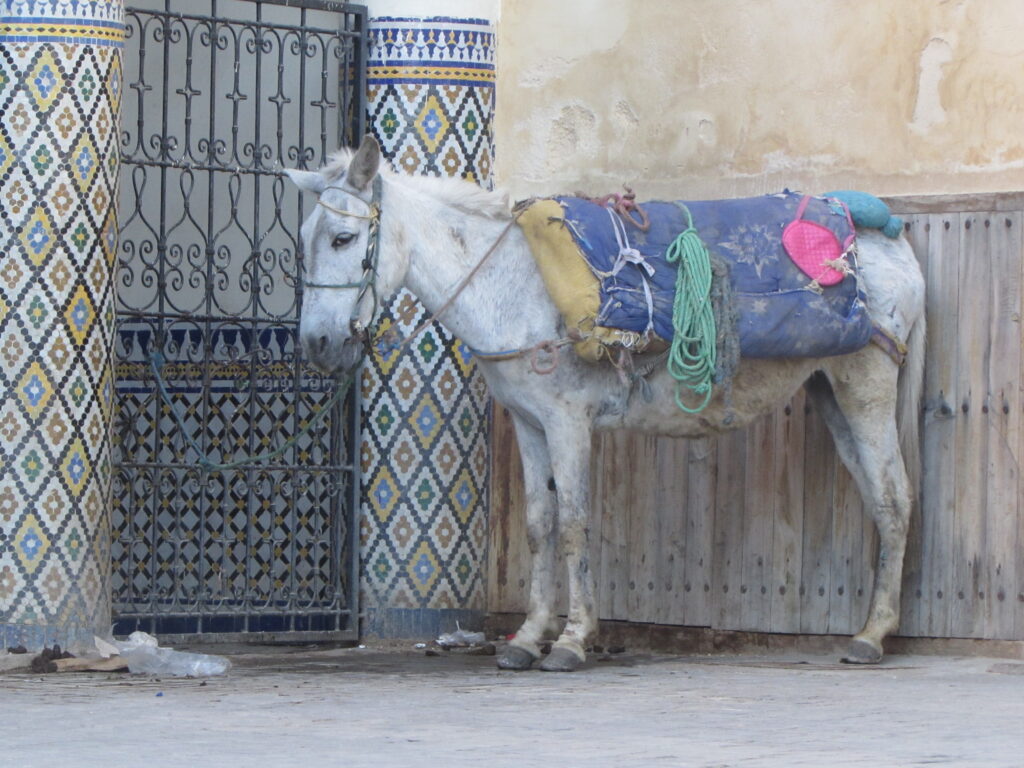
Courtyard of the al-Qarawiyyin mosque complex in Fez.

Purpose

This reading list gives readers a guided path through Moor History Center articles on books, medicine, philosophy, translation, and historical method.

How to Read This List

Move through the ordered readings from institutions into specific cases. When a page introduces a person, place, event, or claim that is unfamiliar, pause and open that record before continuing.

That structure is important because "science" and "philosophy" can become prestige words very quickly. The route starts with libraries, schools, and book culture so readers see how learned life was supported materially and institutionally. Only then does it move into medicine, transmission, philosophy, and historical method as concrete case studies.

Editorial Goal

This list is designed to build understanding in layers: institutions first, then medicine, transmission, philosophy, and historical method. The goal is not memorization; it is better historical judgment.

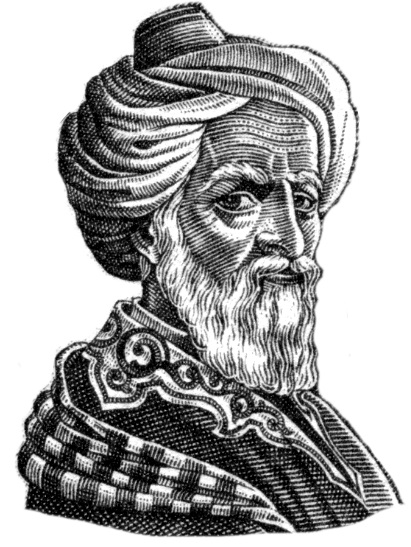
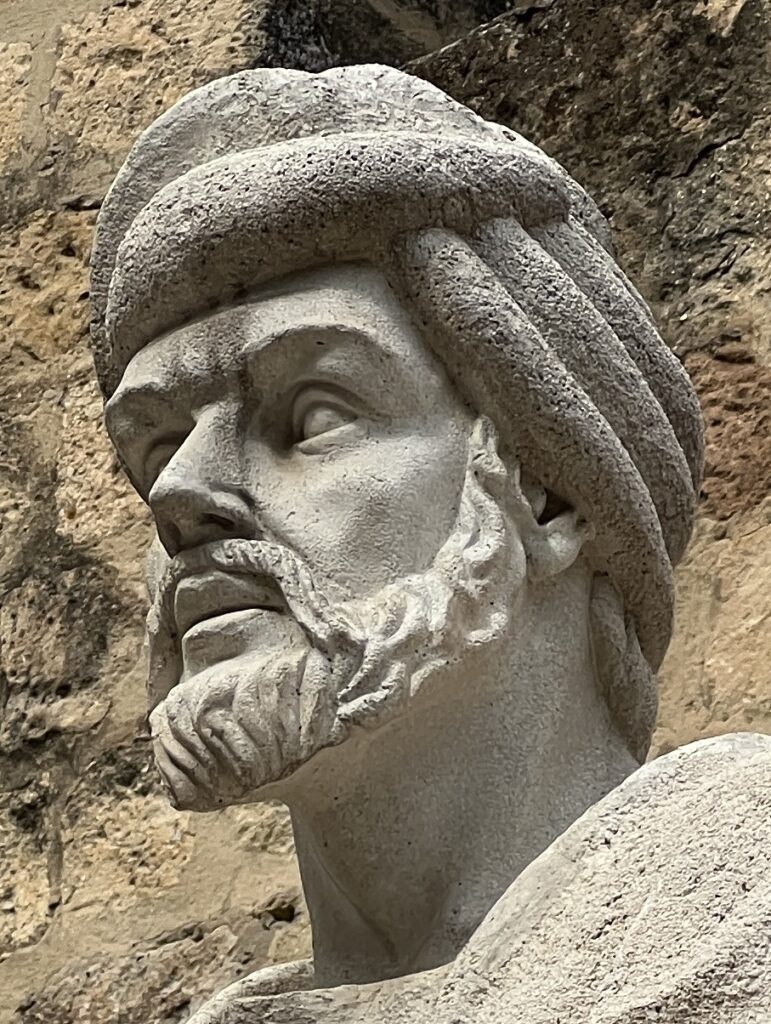
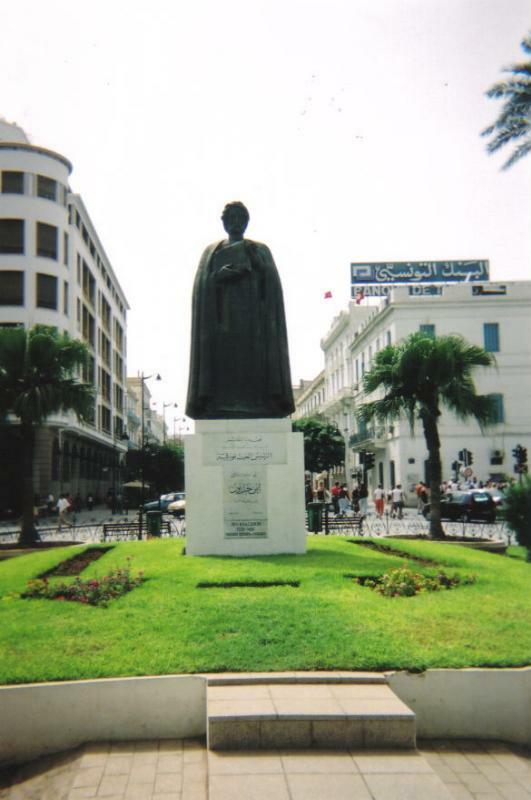
It also guards against a common overclaim pattern in Moorish history writing, where a few famous names are made to stand in for an entire civilization. Al-Zahrawi, Ibn Rushd, and Ibn Khaldun matter here not as isolated geniuses, but as entry points into networks of books, teachers, patrons, translation, controversy, and reception.

Next Route

After this path, continue to Language and Literature for learned culture and textual life, or to Primary Sources Starter Pack for a closer look at translations and source records.


Reading Order

  1. ArticleLibraries, Schools, and Book Culture in Cordoba and Beyond

    Begin with the institutions and habits that made learned culture possible.

  2. ArticleMedicine and Surgery in al-Andalus: al-Zahrawi and the Medical Tradition

    Use al-Zahrawi to see how medical knowledge became textual, technical, and mobile.

  3. Personal-Zahrawi (Abulcasis)

    Open the biography for the person-level version of the medical tradition.

  4. ArticleTranslation and Transmission: How Arabic Knowledge Entered Latin Europe

    Read this before treating knowledge transfer as a single pipeline.

  5. ArticleAverroes (Ibn Rushd) and the Philosophy Wars

    Use Ibn Rushd as the philosophy case study: law, interpretation, Aristotle, and later reception.

  6. PersonIbn Rushd (Averroes)

    Open the biography after the topic article to keep the scholar's life and institutions visible.

  7. ArticleIbn Khaldun and the Muqaddimah: Power, Society, History

    Finish with historical method, group solidarity, dynastic cycles, cities, and taxation.

  8. PersonIbn Khaldun

    Use the biography to connect the Muqaddimah to court life, Granada, and the Maghreb.

  9. SourceSpink and Lewis. Albucasis: On Surgery and Instruments

    Use this source record when medicine and surgical instruments need a specialist anchor.

  10. SourceAverroes. Decisive Treatise and Epistle Dedicatory

    Use a translated primary text record for Ibn Rushd's argument about law and philosophy.

  11. SourceIbn Khaldun. The Muqaddimah, translated by Franz Rosenthal

    Use the Muqaddimah source record when historical method and social theory need closer reading.

Sources

Partner learning path

Moor history and Muur foundations work best as related, distinct paths.

MoorofUs.org focuses on Moor history and historical context. TheFoundationsOf.us explores foundations, Muur history, ancestral memory, place-based research, and community learning. Use both sites together to move from sourced history into deeper identity and foundation research.

Independent support

Help keep this work independent

This article is part of an independent cultural learning network built around source-aware storytelling, careful research, and responsible public education. Support helps fund source notes, timelines, corrections, research guides, and continued publishing.

Organizations, educators, publishers, bookstores, archives, creators, and cultural institutions can also become self-serve sponsors of the network.