The Maghreb Behind the Moors

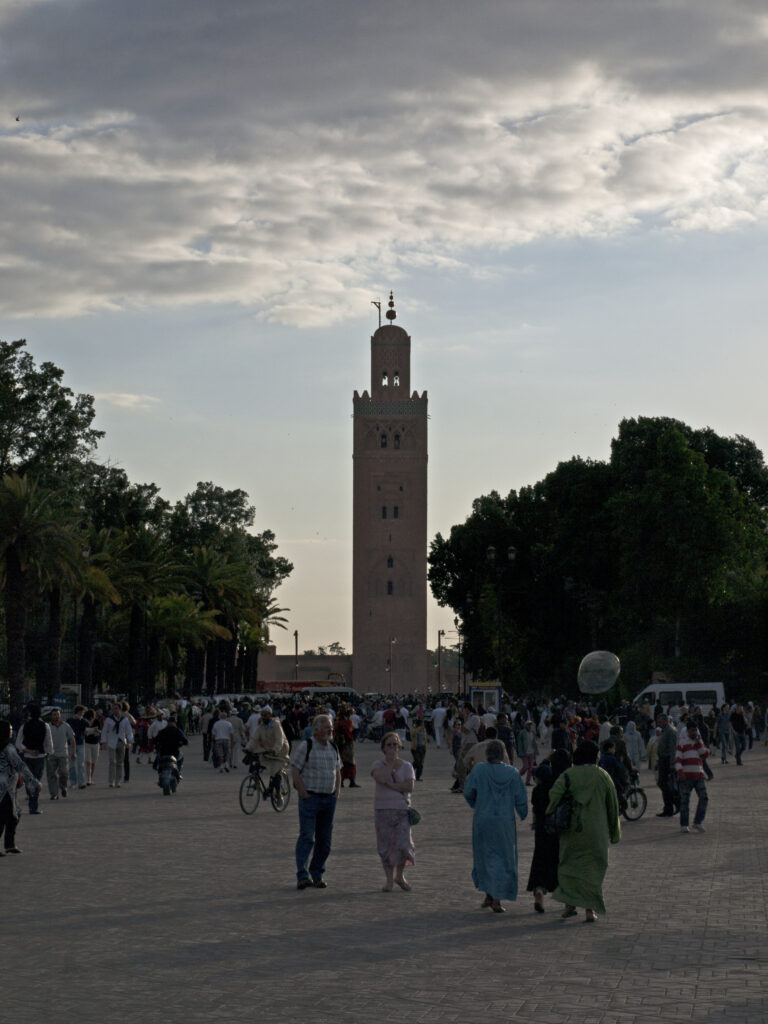
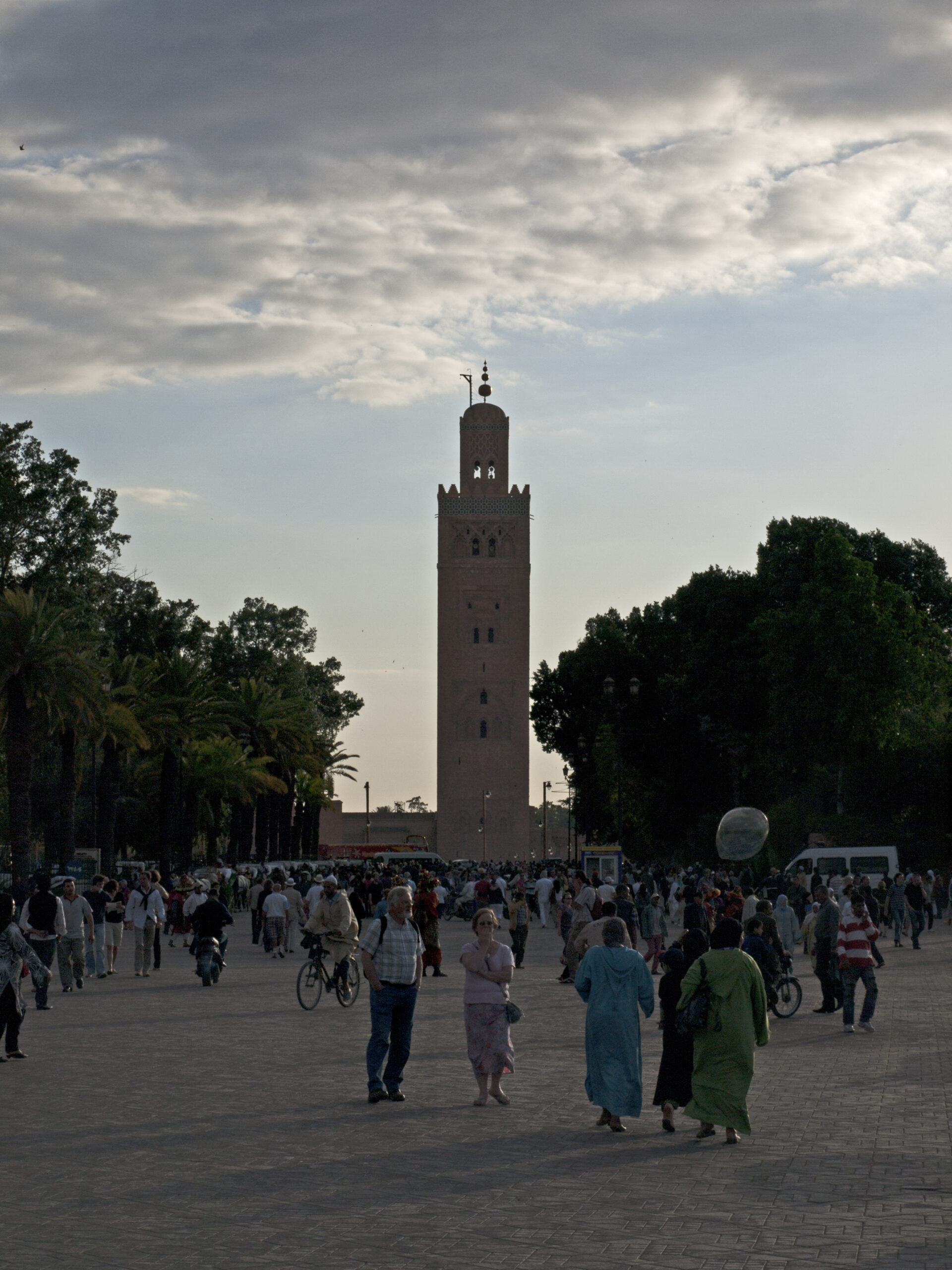
Koutoubia minaret seen from Jemaa el-Fnaa in Marrakesh.

Purpose

This route keeps the Maghreb visible as a historical center. It moves through late antique North Africa, Amazigh/Berber language and identity, Fez, Marrakesh, Almoravids, Almohads, and trans-Saharan connections.

How to Read This List

Read this path before treating al-Andalus as the whole Moorish story. Open the places as you go; the route is built around cities and regions as much as dynasties.

Evidence Guardrail

North Africa, West Africa, the Sahara, and Iberia are connected, but not interchangeable. This path is designed to preserve the connections while keeping each region historically specific.

Editorial Goal

The goal is to make readers ask better geographic questions: which Maghreb, which dynasty, which route, which language community, which source, and which side of the Strait?

Next Route

After this path, continue to Al-Andalus by Turning Points for Iberia, or to the Black History Bridge route for a careful movement from public Black history interest into MoorOfUS source work.
Reading Order

  1. ArticleMaghreb Dynasties and States

    Start with the pillar so North Africa is treated as a center, not a preface to Iberia.

  2. ArticleThe Maghreb Before al-Andalus: Late Antique North Africa in Brief

    Read late antique North Africa before the 711 route into al-Andalus.

  3. ArticleBerber Languages and Identity in the Maghreb and Iberia

    Keep Amazigh/Berber language and identity questions visible before using broad Moorish labels.

  4. ArticleIdrisids and the Rise of Morocco: Fez and Early State Formation

    Use Idrisid Fez to connect state formation, city growth, and religious prestige.

  5. PlaceFez

    Open the place record to make the Maghreb route geographically concrete.

  6. ArticleAlmoravids: Sahara-to-Iberia Empire Builders

    Follow the Sahara-to-Iberia movement through reform, empire, trade routes, and military power.

  7. PlaceMarrakesh

    Use Marrakesh as a dynastic city anchor for the Almoravid and Almohad worlds.

  8. ArticleAlmohads: Reform, Empire, and Its Aftermath

    Read the Almohads as a reform movement and empire with Maghrebi and Iberian consequences.

  9. ArticleTrans-Saharan Connections: Gold, Slavery, Scholarship

    Add Sahara and Sahel connections without collapsing Maghrebi, West African, and Iberian histories into one category.

  10. SourceBrett and Fentress, The Berbers

    Use this source record when Amazigh/Berber history needs a specialist anchor.

  11. SourceBennison, Amira K. The Almoravid and Almohad Empires

    Use this source for the imperial Maghreb-Iberia bridge.

Sources

Brett and Fentress, The Berbers

Brett, Michael, and Elizabeth Fentress. The Berbers. The Peoples of Africa. Oxford: Blackwell Publishers, 1997.

Quality: High

Use for Berber-speaking peoples, North African social history, Islamization, Arabization, and identity change across long periods. Pair with period-specific sources for Almoravid, Almohad, or Andalusi claims.

Open External Source

Fauvelle, The Golden Rhinoceros

Fauvelle, Francois-Xavier. The Golden Rhinoceros: Histories of the African Middle Ages. Translated by Troy Tice. Princeton, NJ: Princeton University Press, 2018.

Quality: High

Use for broad medieval African framing, archaeology plus written sources, and the idea that Africa belonged to the connected medieval world. Pair with more specialized sources for narrow West African, Maghrebi, or Andalusi claims.

Open External Source

Levtzion and Hopkins, Corpus of Early Arabic Sources for West African History

Levtzion, Nehemia, and J. F. P. Hopkins, eds. Corpus of Early Arabic Sources for West African History. Translated by J. F. P. Hopkins. Princeton, NJ: Markus Wiener Publishers, 2000. Originally published by Cambridge University Press, 1981.

Quality: High

Use as a translated source collection for Arabic geographers and historians writing about West Africa, the Sahara, Islamization, trans-Saharan trade, and the Almoravid movement. Treat each translated author as a source with its own date and limits.

Open External Source

Partner learning path

Moor history and Muur foundations work best as related, distinct paths.

MoorofUs.org focuses on Moor history and historical context. TheFoundationsOf.us explores foundations, Muur history, ancestral memory, place-based research, and community learning. Use both sites together to move from sourced history into deeper identity and foundation research.

Independent support

Help keep this work independent

This article is part of an independent cultural learning network built around source-aware storytelling, careful research, and responsible public education. Support helps fund source notes, timelines, corrections, research guides, and continued publishing.

Organizations, educators, publishers, bookstores, archives, creators, and cultural institutions can also become self-serve sponsors of the network.