Primary Sources Starter Pack

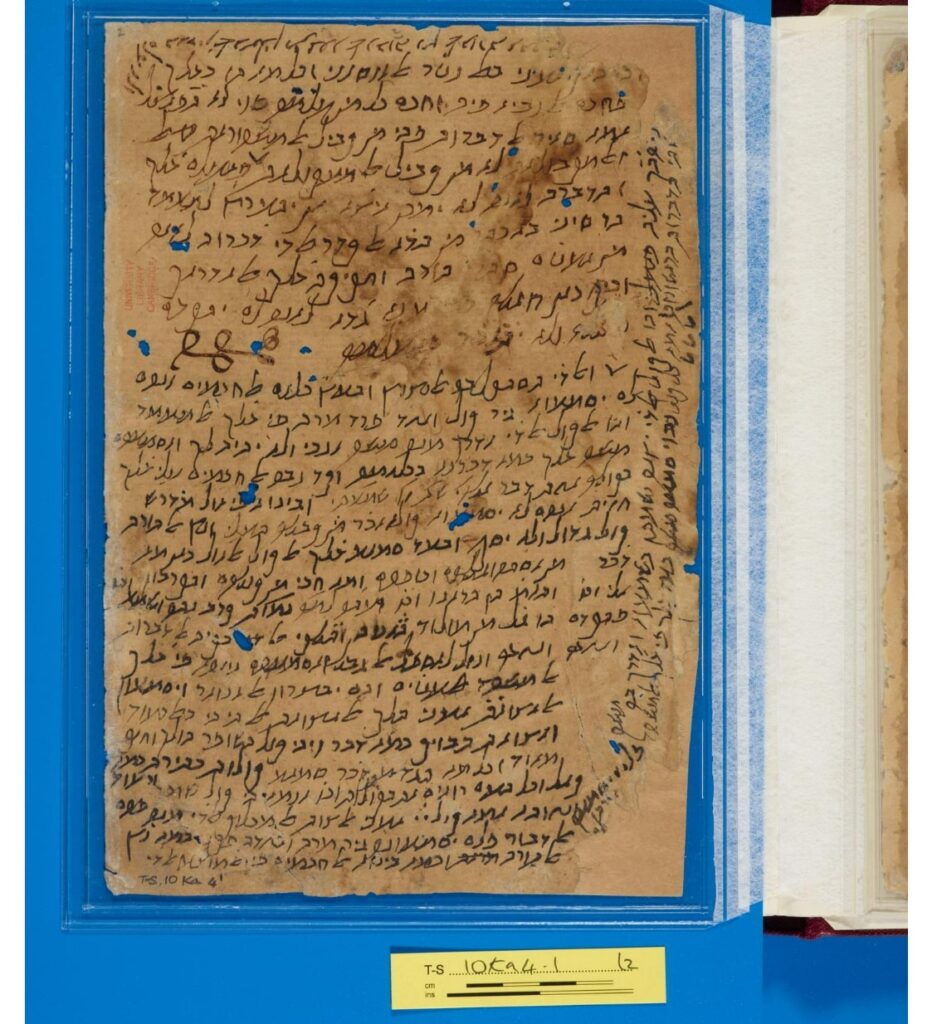
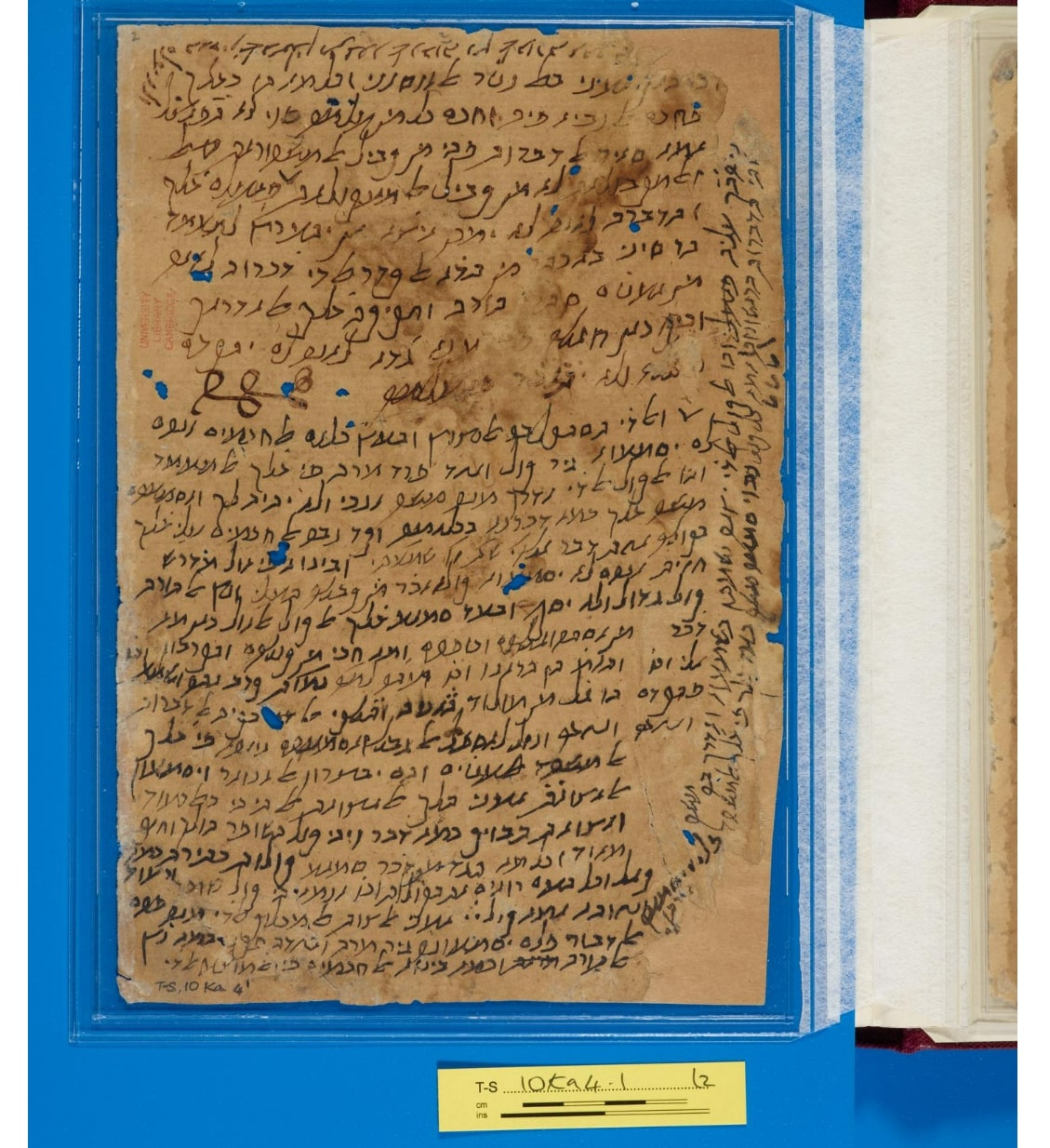
Manuscript page by Maimonides written in Judeo-Arabic with Hebrew letters.

Purpose

This route helps readers understand what counts as evidence. It moves through surviving texts, chroniclers, material objects, maps, translations, and source records before asking readers to make claims.

How to Read This List

Read the method articles before the source records. When you open a source, ask four questions: who made it, when, for whom, and what kind of evidence it can actually provide.

That sequence is deliberate. Many readers want to jump straight to the dramatic quote, famous chronicler, or impressive artifact. But source literacy works the other way around. You learn the categories first, then test the source. Otherwise the authority of age, rarity, or visual appeal will do too much of the thinking for you.

Source-Literacy Habit

Do not treat a translated source, a modern scholarly book, a museum caption, and a viral quote as the same kind of authority. Each can help, but each must be used differently.

Another good habit is to separate survival from representativeness. A source survives because of material chance, copying, patronage, preservation, or later selection. That does not mean it speaks for everyone. This route is meant to make readers more skeptical in a useful way, not more cynical about whether history is possible at all.

Editorial Goal

The goal is to make source use visible. Readers should leave knowing why evidence survives unevenly, why translations matter, and why source records are not optional decoration.

Next Route

After this source-literacy path, move into Myths vs Evidence to apply the method, or choose a specialist route such as Science, Philosophy, and Education where source records are already central.

Reading Order

  1. ArticlePrimary Sources for Moor History: What Survives (and What Doesn’t)

    Begin with survival: what kinds of evidence exist, what is missing, and why that matters.

  2. ArticlePrimary Source Spotlight: How Chroniclers Shape the Story

    Use chroniclers carefully; narrative sources have viewpoint, audience, patronage, and genre.

  3. ArticleManuscripts, Coins, and Objects: What Visual Sources Can Prove

    Add material evidence so the route is not only about written texts.

  4. ArticleMaps Are Evidence, Not the Territory: Reading al-Andalus Carefully

    Treat maps as arguments and teaching tools, not as the full historical terrain.

  5. SourceLevtzion and Hopkins, Corpus of Early Arabic Sources for West African History

    Use translated Arabic source material for West African and trans-Saharan questions.

  6. SourceConstable, Olivia Remie. Trade and Traders in Muslim Spain

    Use documentary and economic evidence when claims involve commerce, ports, and everyday practice.

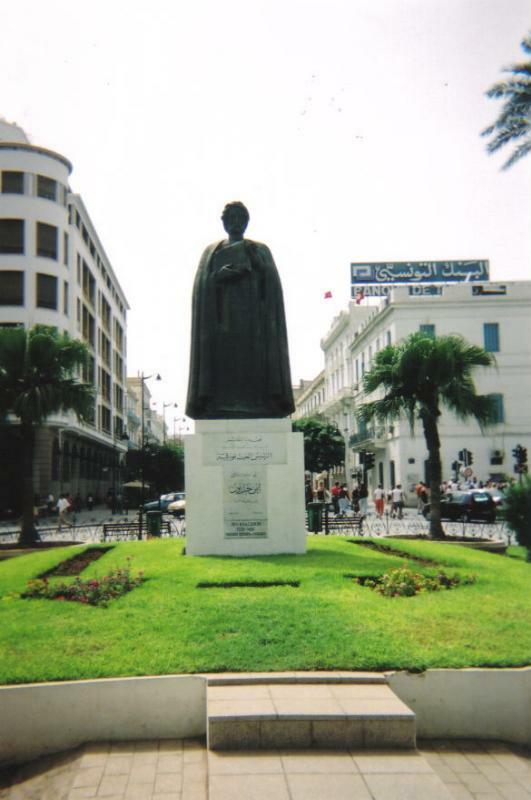
  7. SourceIbn Khaldun. The Muqaddimah, translated by Franz Rosenthal

    Use Ibn Khaldun through a translation record and keep author, text, translation, and later interpretation separate.

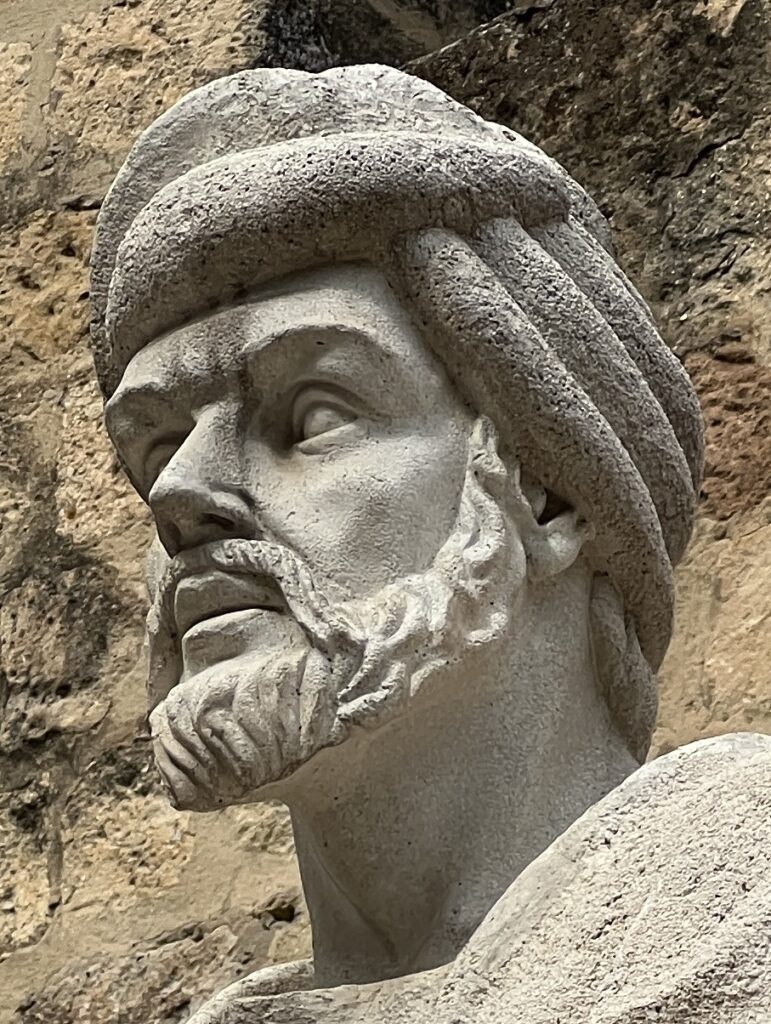
  8. SourceAverroes. Decisive Treatise and Epistle Dedicatory

    Read a philosophical/legal primary text through a reliable translation record.

  9. SourceMenocal, Scheindlin, and Sells. The Literature of Al-Andalus

    Use literary source scholarship when poetry, adab, and memory are the evidence.

  10. ArticleHow to Evaluate a Historical Claim: A Quick Method for Readers

    Finish by turning source reading into a repeatable claim-checking habit.

Sources

Levtzion and Hopkins, Corpus of Early Arabic Sources for West African History

Levtzion, Nehemia, and J. F. P. Hopkins, eds. Corpus of Early Arabic Sources for West African History. Translated by J. F. P. Hopkins. Princeton, NJ: Markus Wiener Publishers, 2000. Originally published by Cambridge University Press, 1981.

Quality: High

Use as a translated source collection for Arabic geographers and historians writing about West Africa, the Sahara, Islamization, trans-Saharan trade, and the Almoravid movement. Treat each translated author as a source with its own date and limits.

Open External Source

Partner learning path

Moor history and Muur foundations work best as related, distinct paths.

MoorofUs.org focuses on Moor history and historical context. TheFoundationsOf.us explores foundations, Muur history, ancestral memory, place-based research, and community learning. Use both sites together to move from sourced history into deeper identity and foundation research.

Independent support

Help keep this work independent

This article is part of an independent cultural learning network built around source-aware storytelling, careful research, and responsible public education. Support helps fund source notes, timelines, corrections, research guides, and continued publishing.

Organizations, educators, publishers, bookstores, archives, creators, and cultural institutions can also become self-serve sponsors of the network.