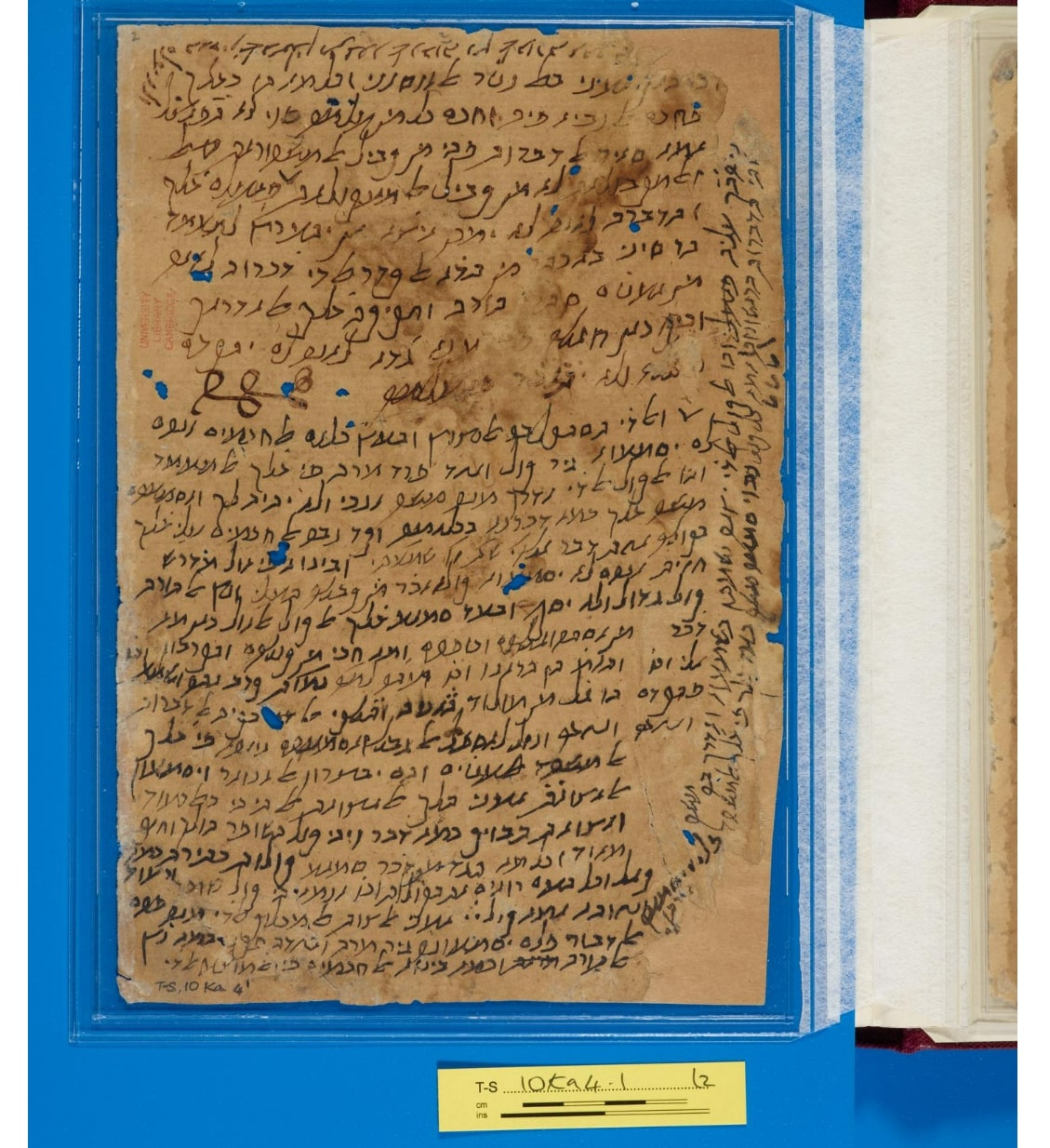
Editorial Summary
Moor history is not built from one kind of evidence. It survives through chronicles, legal material, inscriptions, coins, buildings, manuscripts, poetry, administrative traces, archaeology, later copies, and modern scholarship that compares them. Each source type can answer some questions and fail at others.
What Counts as a Primary Source?
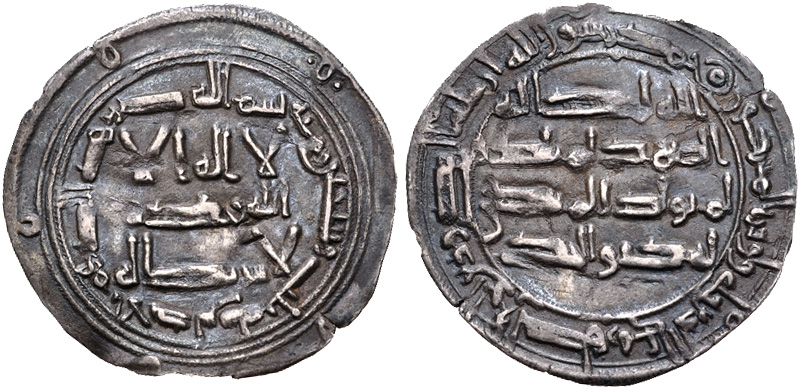
A primary source is evidence produced in or near the historical world being studied. For al-Andalus and the Maghreb, that can include Arabic chronicles, Latin and Romance Christian narratives, Hebrew texts, legal opinions, contracts, endowment traces, coins, inscriptions, buildings, maps, letters, manuscript copies, and excavated material culture.
Primary does not mean neutral. A chronicle can be partisan. A legal text can describe ideals more than daily practice. A building can show patronage while hiding labor. A coin can prove a ruler's claim without proving how people felt about it.
What Survives Well
Some evidence survives better than others:
- Rulers, courts, dynasties, battles, and cities.
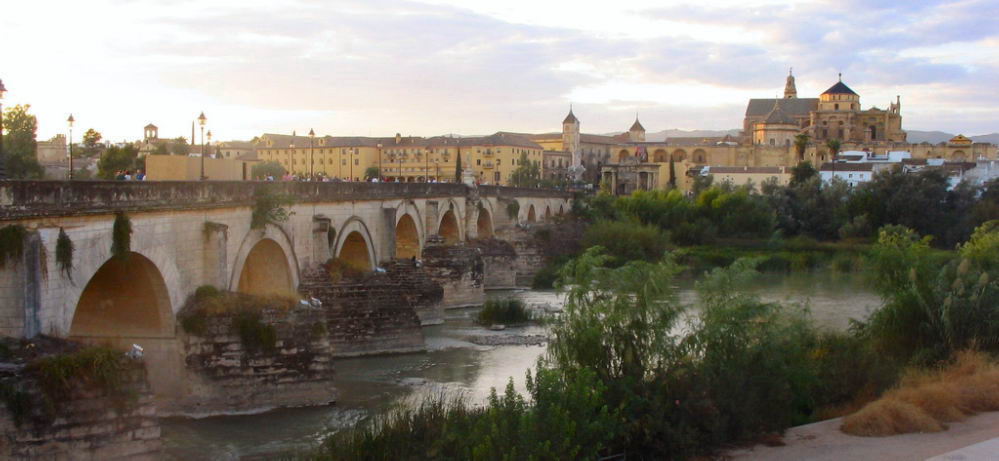
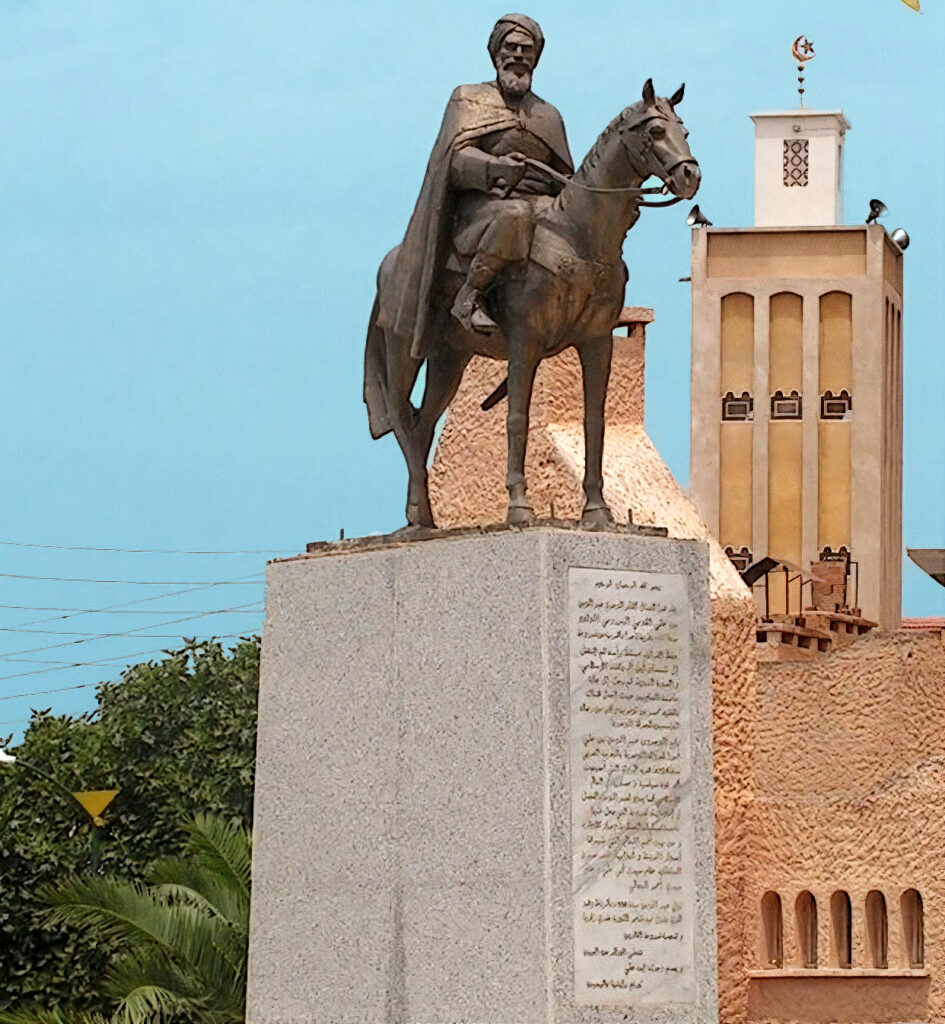
- Monumental architecture and inscriptions.
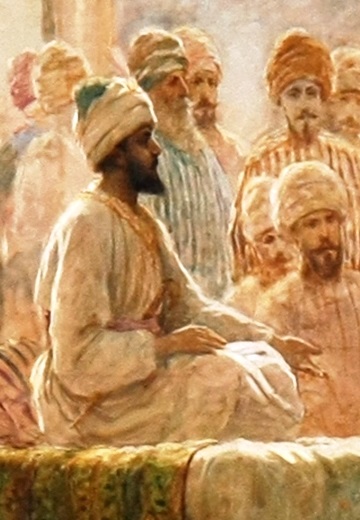
- Scholarly, legal, and literary writings.
- Coins and official claims of authority.
- Later manuscript copies of earlier texts.
That is why the history of Cordoba, Granada, Fez, Marrakesh, rulers, scholars, and major monuments can be easier to document than the lives of poor rural households.
What Survives Poorly
The archive is thinner for many ordinary people. Women, enslaved people, freed people, rural workers, artisans outside elite patronage, children, religious minorities in some settings, and communities without durable written records can be hard to see directly.
This does not mean they were unimportant. It means the historian has to read indirectly and carefully, comparing law, archaeology, material culture, tax records, narrative hints, and later memory.
Matching Source to Claim
Use the source type that fits the claim:
- For political authority, look at chronicles, coins, titles, treaties, and administrative traces.
- For art and architecture, use buildings, inscriptions, material studies, and patronage evidence.
- For language and literature, use manuscripts, poetry, prose, translation records, and literary histories.
- For trade, use contracts, port records, goods, ship routes, and economic studies.
- For identity terms, compare who used the label, in which language, and for what purpose.
Why Secondary Sources Still Matter
Modern scholarship helps readers interpret primary evidence without pretending every reader can verify every manuscript, inscription, or archaeological report directly. A responsible Moor History Center page should show both: the kind of primary evidence behind the claim and the specialist scholarship that explains it.
Working Conclusion
The archive is powerful but uneven. Strong Moor history does not ask one source to prove everything. It builds claims from the right evidence, names what survives, and admits what remains hard to prove.