Editorial Summary
Diplomacy across faith lines was ordinary political work in medieval Iberia and the western Mediterranean. Muslim and Christian rulers could fight, negotiate, pay tribute, exchange envoys, ally, betray, trade, and marry into political arrangements depending on leverage.
That does not mean religion was irrelevant. It means practical politics often crossed religious boundaries while still being shaped by religious language, legitimacy, and identity.
Treaties and Truces
Treaties and truces were tools for managing risk. A ruler might need peace to consolidate power, defend another frontier, recover after defeat, or preserve a city. A truce could be temporary and still historically important.
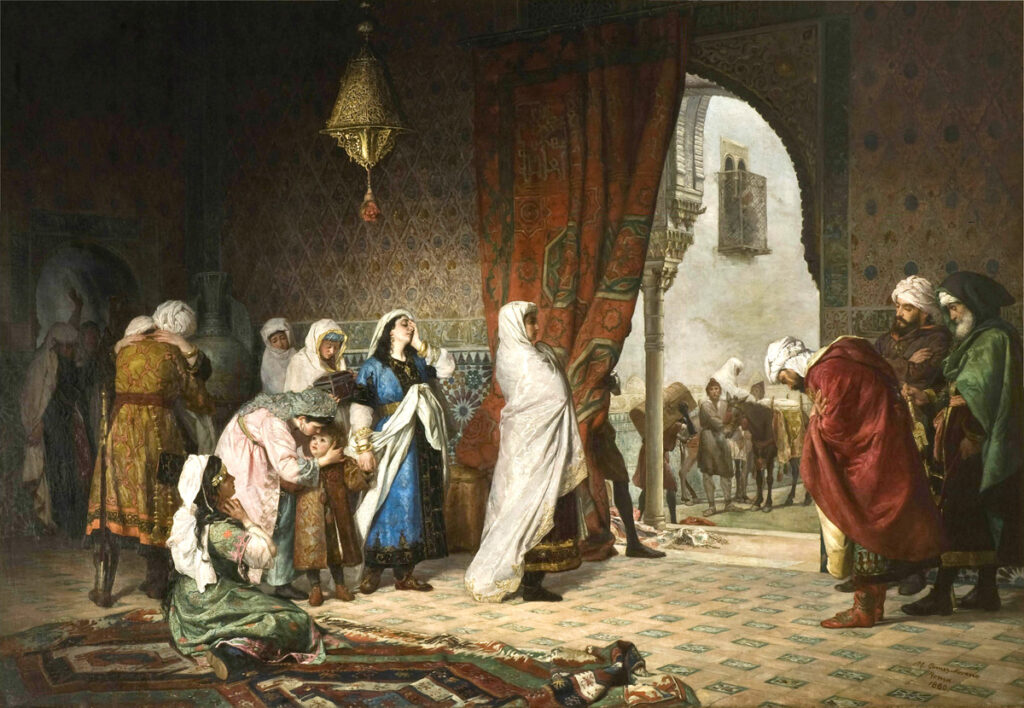
The Treaty of Tudmir and later surrender agreements around Granada remind readers that documents can preserve the language of submission, protection, obligation, and negotiation. They also need to be read with attention to who wrote, copied, translated, and preserved them.
Tribute and Leverage
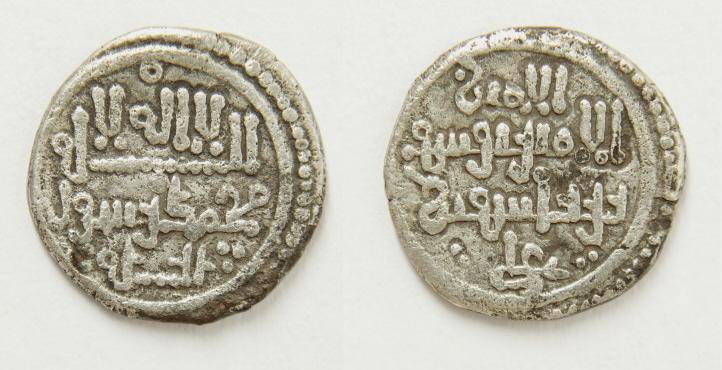
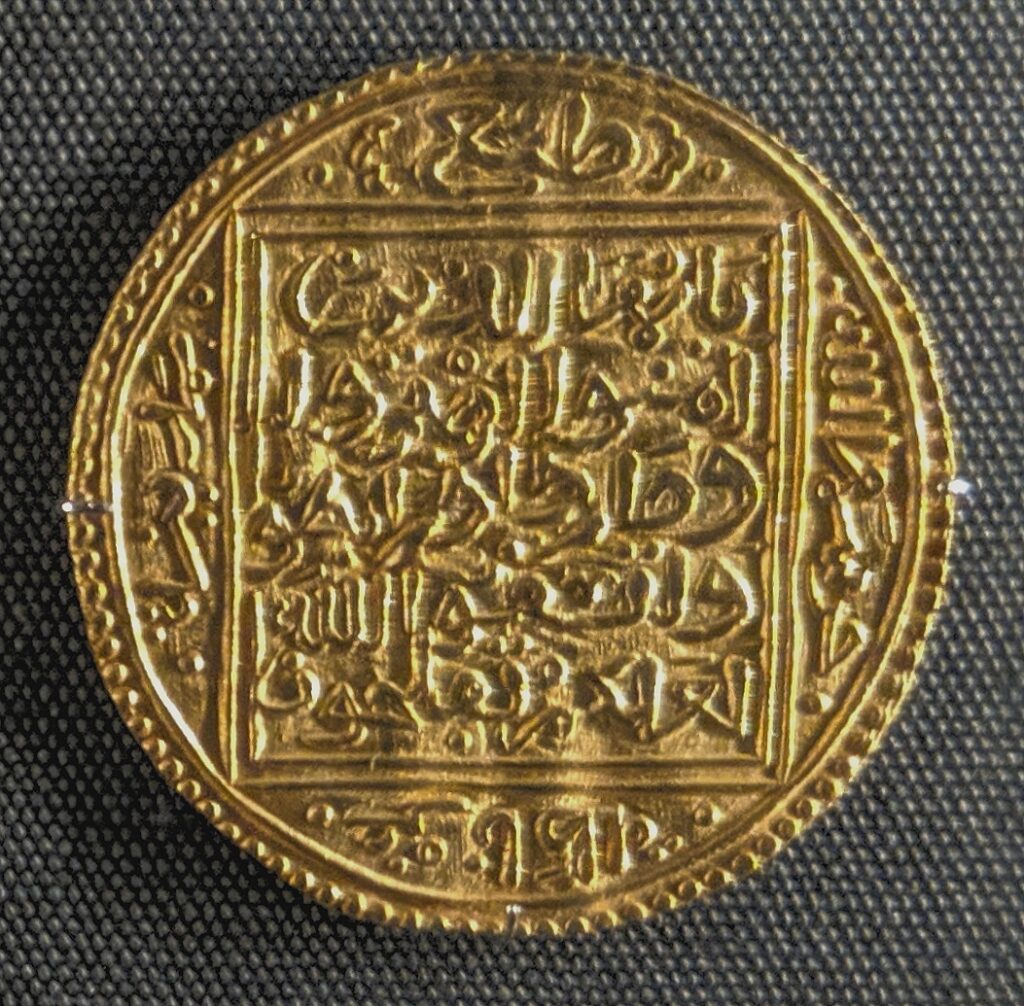
Tribute is not one simple sign. It can mark military weakness, diplomatic bargaining, frontier management, political survival, or a way to buy time. Taifa politics especially show how payment and protection could reshape relations among Muslim and Christian powers.
Tribute could also fund further war. Money and diplomacy did not sit outside conflict; they often made conflict possible.
Alliances and Practical Politics
Alliances could cross confessional lines because rulers faced immediate enemies, rival claimants, rebellious cities, and shifting military conditions. A Muslim ruler could ally with a Christian ruler against another Muslim ruler; Christian rulers could do the same across their own lines of interest.
This is why simple "Muslims versus Christians" maps often mislead readers.
Reader Method
When reading a diplomacy claim, ask:
- Who had leverage, and what changed that leverage?
- Was the agreement a treaty, truce, tribute payment, surrender, alliance, marriage, or commercial arrangement?
- Which source preserves the agreement?
- Does the page confuse religious identity with fixed political alignment?
What Sources Let Us Say
The sources let us describe diplomatic patterns, famous agreements, tribute, shifting alliances, and political survival strategies. They are weaker for reconstructing informal bargaining that left no document.
Working Conclusion
Diplomacy makes Moor history more accurate because it prevents one-note conflict stories. War and negotiation were not opposites; they were often part of the same political system.


_-_panoramio.jpg)