Editorial Summary
Food history is not a side dish to political history. Agriculture, irrigation, markets, gardens, taxes, and elite landscapes shaped how people lived in al-Andalus and how later audiences remember it.
The strongest evidence starts with specific places and systems: water channels, orchards, fields, market supply, written descriptions, legal disputes, botanical knowledge, and surviving garden layouts. The weakest claims jump straight from a modern food or garden image to a sweeping statement about all Moorish society.
Agriculture as Infrastructure
Agriculture depended on land, labor, water, taxation, storage, transport, and political stability. Irrigation could intensify production, but it also required maintenance and social coordination. A canal, waterwheel, orchard, or garden should be read as infrastructure as much as scenery.
This matters because al-Andalus was not one uniform landscape. Valleys, river plains, mountain zones, coastal cities, and frontier regions produced different agricultural realities.
Food and Markets
Food connects rural producers to urban consumers. Markets needed grain, fruit, oil, meat, fish, ceramics, transport animals, weights, inspectors, and money. Food therefore belongs with economic history and urban life, not only cuisine.
Imported goods and traded luxuries could shape elite taste, while ordinary diets depended on region, season, price, and household status. A courtly banquet is not a peasant meal.
Gardens and Power
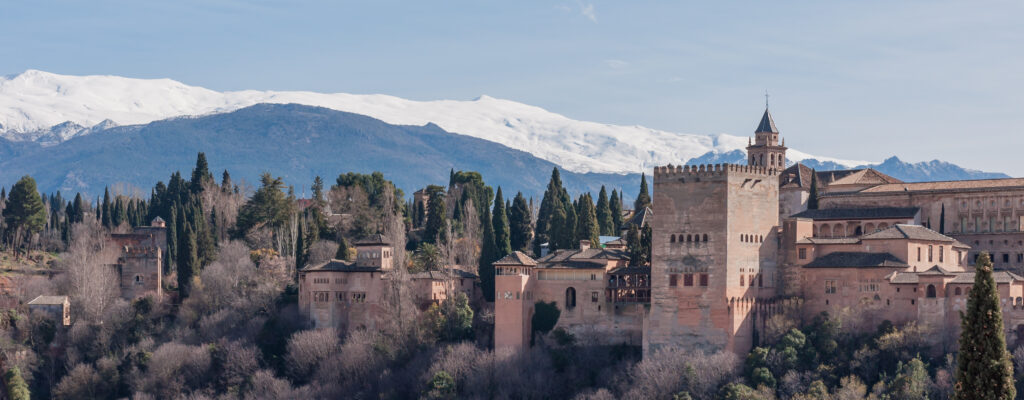
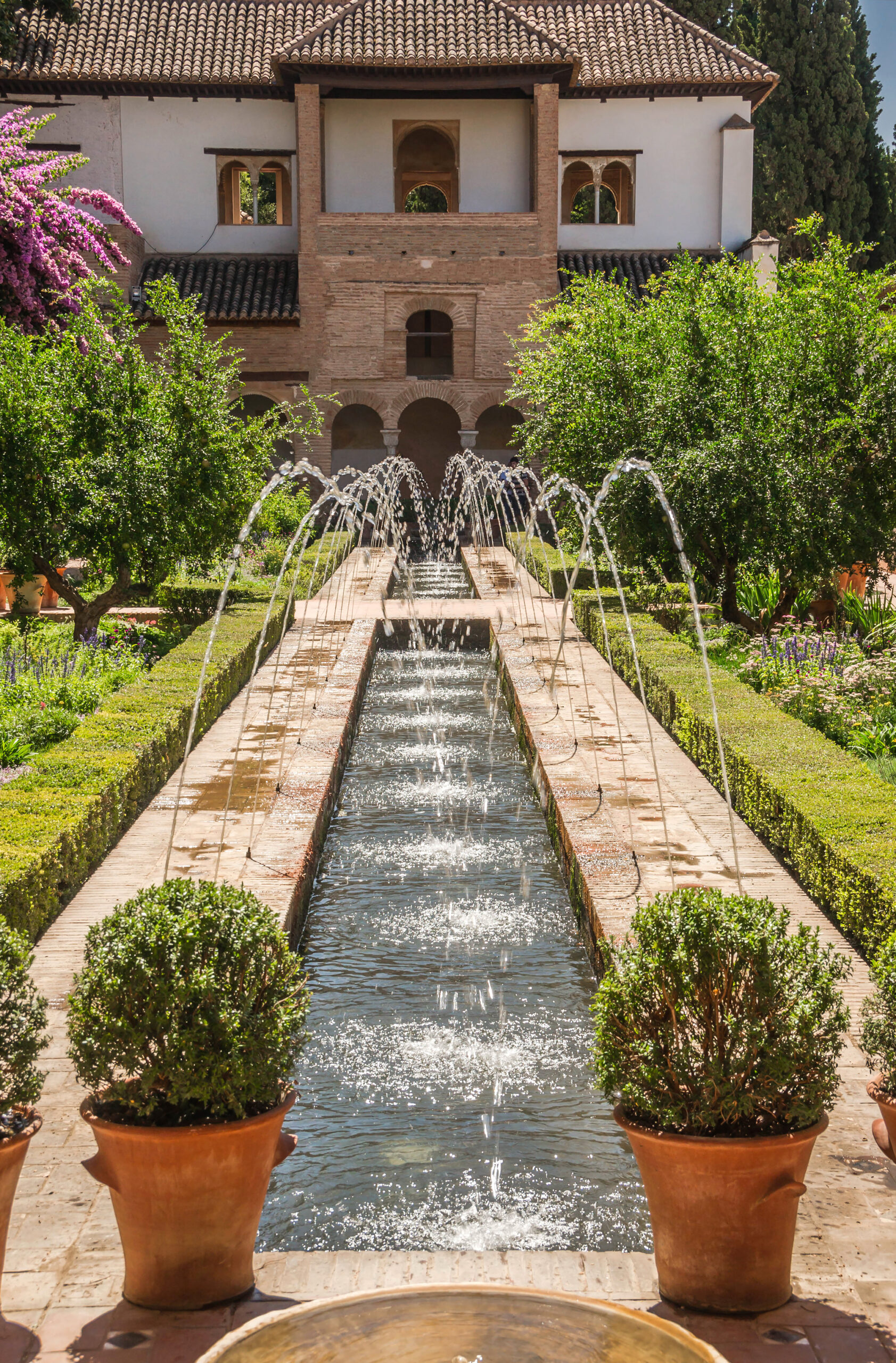
Gardens could be productive, symbolic, recreational, and political. Water, shade, fragrance, paths, walls, and views helped create controlled spaces of status and memory. Nasrid Granada and the Generalife offer powerful later examples, but they should not be used as a shortcut for every Andalusi garden in every century.
Palace gardens are also survival-biased. They are more likely to be remembered, restored, photographed, and visited than ordinary fields.
Evidence Problems
Food and agricultural history has a mixed source base. Written texts may praise abundance, legal records may preserve conflict, archaeology may show use and repair, and gardens may be restored long after their first phases. Each source type answers a different question.
Reader Method
For a food or garden claim, ask:
- Is the claim about crops, recipes, irrigation, landholding, markets, or elite display?
- Which region and century are being discussed?
- Is the garden original, restored, reconstructed, or later inspired?
- Does the source identify workers, owners, consumers, or only patrons?
What Sources Let Us Say
The sources support cautious claims about irrigation, crop movement, urban supply, garden prestige, and links between agriculture and trade. They are weaker when asked to prove an unchanged Andalusi food culture across the whole Mediterranean.
Working Conclusion
Food and gardens help visitors stay with the material world of Moor history. They work best when beauty is connected to labor, water, markets, and evidence.