Editorial Summary
Chronicles are powerful because they bring readers close to the stories people told about their own past. They are also risky because they can turn politics, memory, praise, blame, and moral lessons into narrative.
This page teaches readers to respect chronicles without surrendering judgment to them.
That matters in Moorish history because many of the most repeated stories about conquest, dynastic legitimacy, heroic founders, coexistence, betrayal, and decline come to modern readers through chroniclers or later compilers. If the chronicle is treated as a transparent window, the reader inherits the writer's agenda without noticing it.
What Chronicles Can Do
A chronicle can preserve names, dates, battles, successions, disasters, omens, speeches, moral judgments, and political explanations. It can also show what a writer thought mattered.
That makes chronicles especially useful for political history and memory. They help explain how conquest, legitimacy, defeat, and identity were narrated.
They are also useful because they sometimes preserve material from earlier texts that no longer survive. Even when a chronicle is late, it may still be one of the few available routes into an earlier narrative tradition.
What Chronicles Can Distort
Chroniclers wrote from positions. They could serve rulers, defend communities, inherit older stories, quote lost texts, condemn enemies, praise patrons, explain divine favor, or turn defeat into moral instruction.
A chronicle may preserve real information and bias at the same time. The bias does not make it worthless; it tells the reader how to use it.
It also means that the most vivid detail is not always the most trustworthy detail. Speeches, dramatic scenes, enormous battle numbers, and neat moral reversals often tell us as much about literary convention as about the event itself.
Distance From the Event
Ask how close the source is to the event. Was it written by a witness, a later compiler, a court historian, a religious writer, or a translator? Did the text survive in later copies? Did it preserve an older tradition?
For early al-Andalus, this question is essential because later sources often shape how early events are remembered.
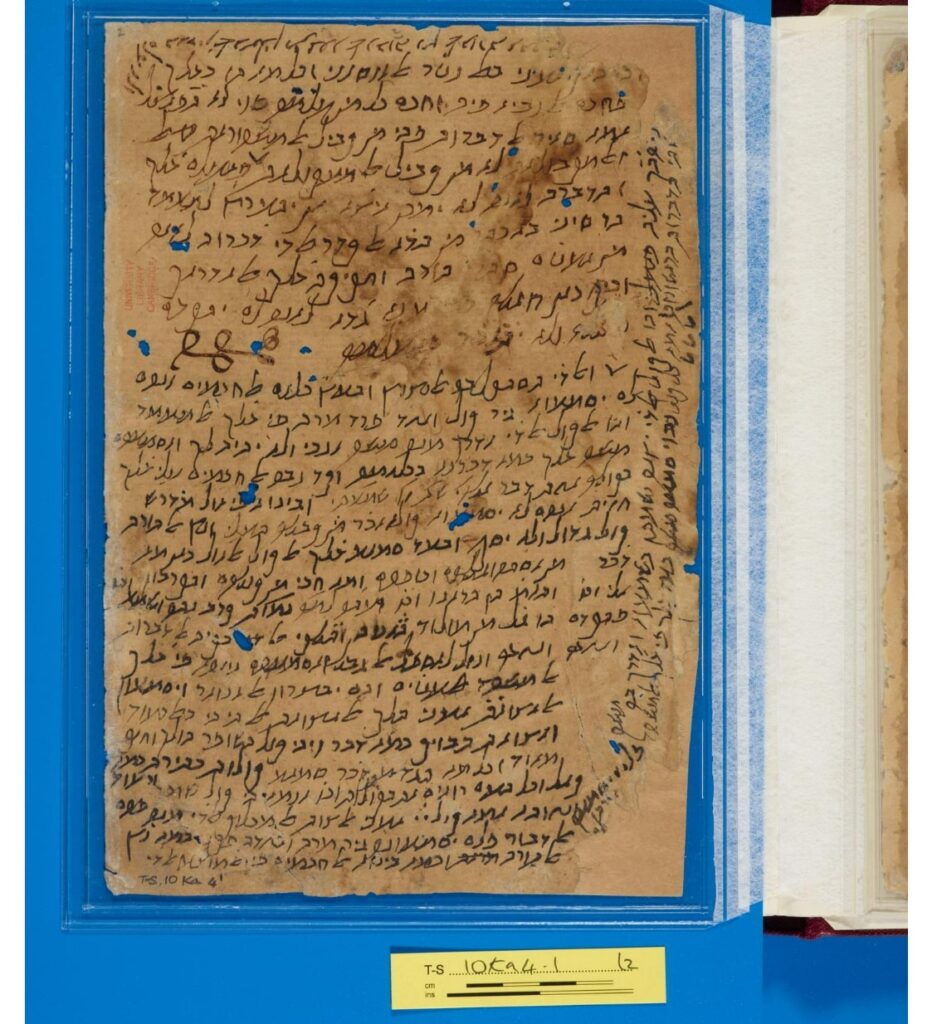
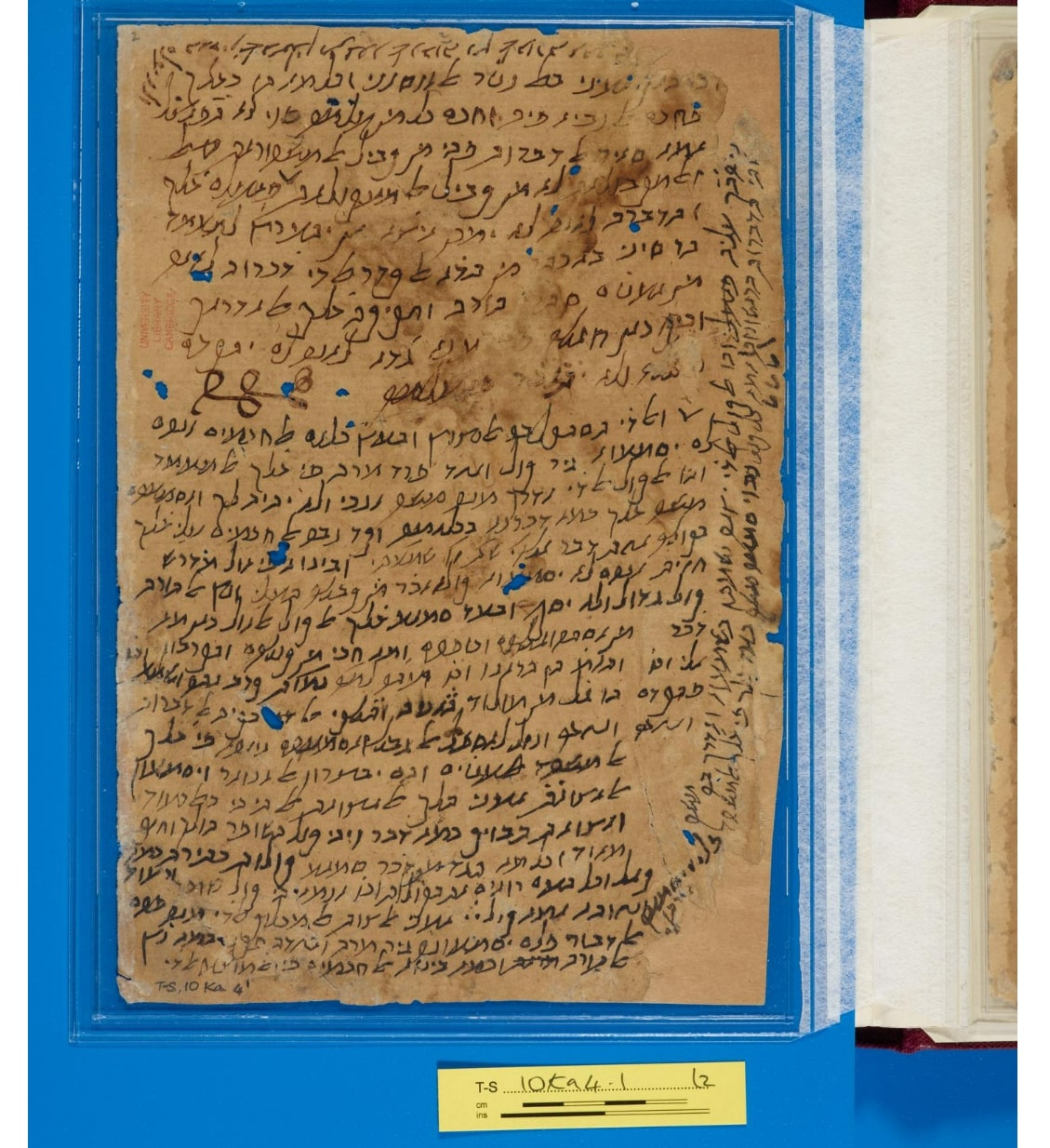
The reader should get comfortable with layered distance. A fifteenth-century manuscript might preserve a thirteenth-century copy of an eleventh-century chronicle describing an eighth-century event. That chain does not make the source useless. It means certainty has to be graded carefully.
What A Chronicle Usually Reveals Best
Chronicles are often strongest when the question is not "did every detail happen exactly like this?" but:
- how did elites explain a conquest or defeat?
- how did a dynasty present its legitimacy?
- which enemies or rivals mattered to the writer?
- what counted as divine favor, justice, betrayal, or disorder?
Those are historical answers too. They tell us about political culture, not just about bare events.
Compare Source Types
Chronicles become stronger when compared with coins, inscriptions, archaeology, legal texts, geography, biographies, and modern scholarship. If several source types point in the same direction, the claim becomes more durable.
If a chronicle is the only source for a dramatic detail, label that uncertainty.
This comparison step is where many weak articles fail. They quote a chronicle because it sounds vivid, but they do not ask what other evidence supports or limits it. Evidence-first writing has to do both.
Reader Method
For a chronicle-based claim, ask:
- Who wrote or compiled the source?
- How far is the source from the event?
- What political, religious, or moral purpose might shape the story?
- What other evidence can confirm, complicate, or limit it?
Then ask one more question: what does this chronicle prove even if the most dramatic detail turns out to be unreliable? Often the answer is still valuable.
What Sources Let Us Say
The sources let us reconstruct broad sequences, political memory, elite concerns, and some specific events. They are weaker for private motives, ordinary voices, exact speeches, and symbolic details that fit the writer's agenda too neatly.
This is not a reason to distrust chronicles wholesale. It is a reason to read them as crafted texts rather than raw footage.
Working Conclusion
Chronicles are not enemies of evidence-first history. They are evidence that has to be read with its genre visible.