Editorial Summary
The Marinids help readers see that Maghreb-Iberia connections did not end with the Almohads. Fez, Ceuta, Tlemcen, Granada, Tarifa, scholarship, diplomacy, and military pressure all remained part of the western Mediterranean story.
After the Almohads
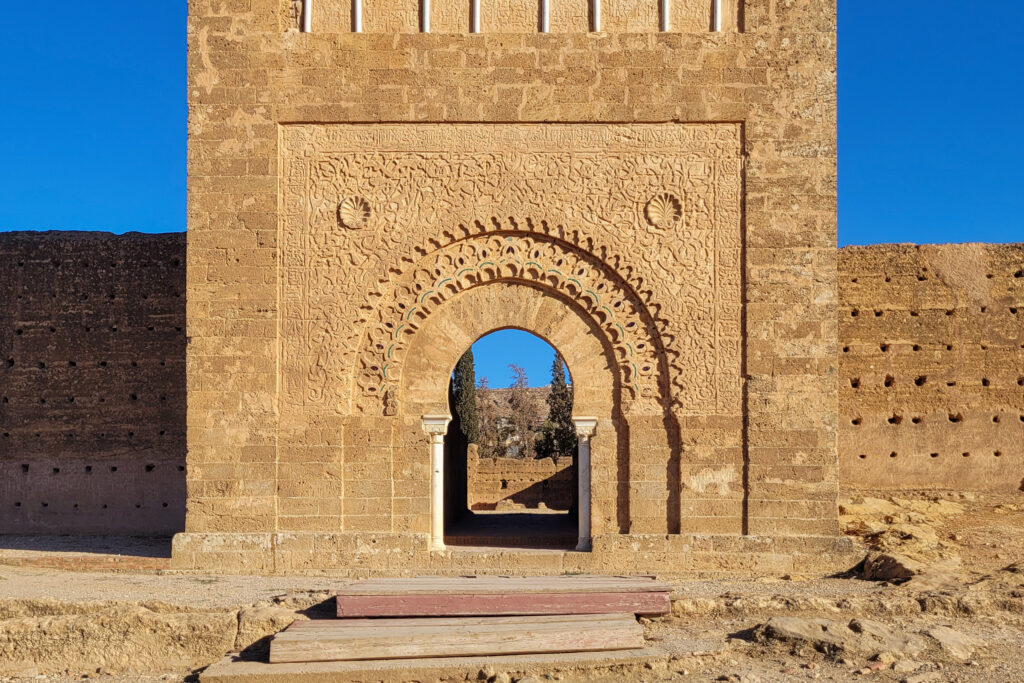
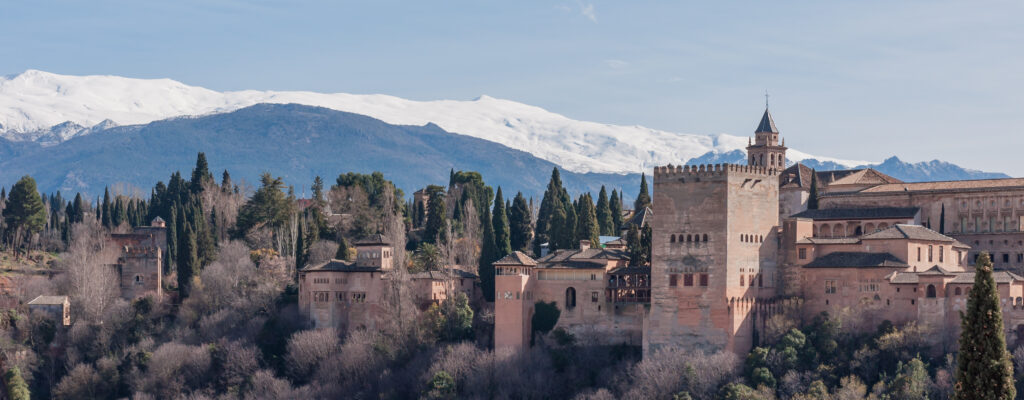
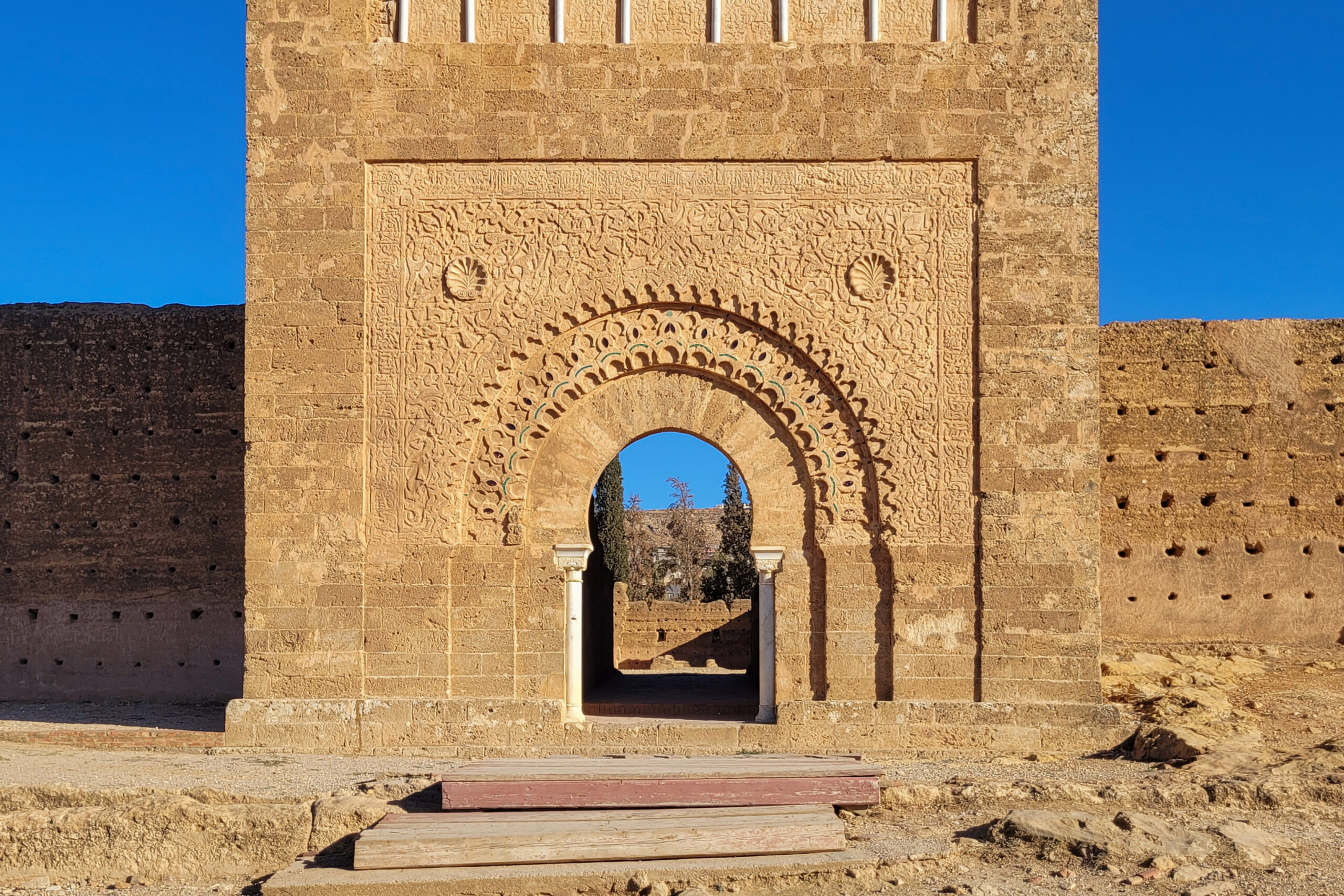
Almohad decline opened space for new regional powers. In the Maghreb, Marinid rule centered especially on Fez and interacted with other North African and Iberian powers. In Iberia, Nasrid Granada survived in a changing frontier world.
The Marinids therefore belong in Moor History Center because they keep the late medieval Maghreb visible after the more familiar Almoravid and Almohad periods.
Fez, Ceuta, and the Strait
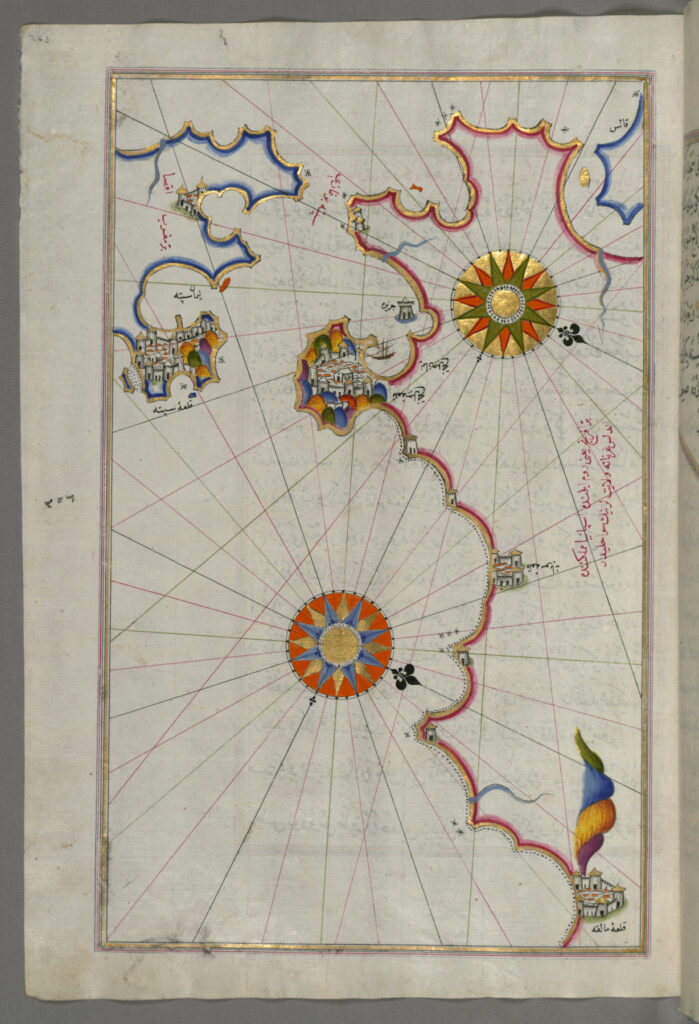
Fez mattered as a political and scholarly center. Ceuta mattered because control of ports and crossing points shaped movement between Africa and Iberia. The Strait was not just a boundary; it was a contested route.
The battle of Rio Salado in 1340 and Portugal's capture of Ceuta in 1415 both show how late medieval power around the Strait could shift dramatically.
Granada and Diplomacy
Marinid power interacted with Nasrid Granada through diplomacy, support, rivalry, and the larger balance among Castile, Aragon, Portugal, North Africa, and Mediterranean networks. The connection was strategic, not sentimental.
Scholarship and Mobility
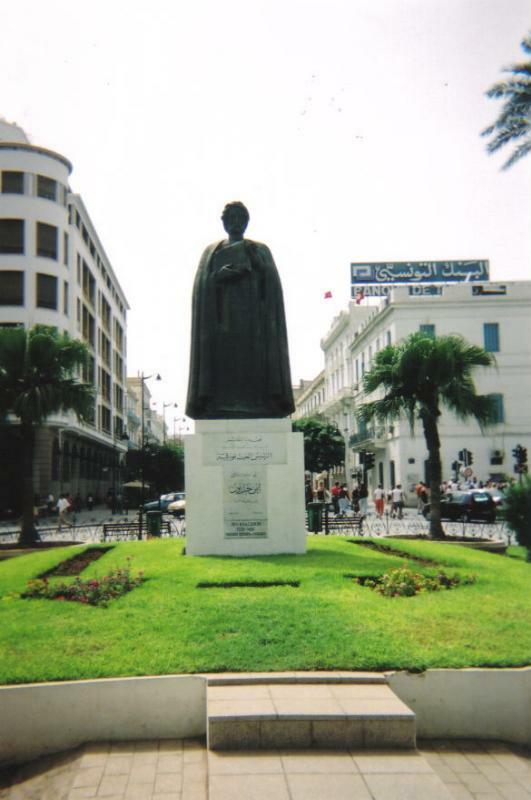
The Marinid period also belongs to the history of movement: scholars, diplomats, texts, merchants, captives, and travelers crossed political boundaries. Figures such as Ibn Khaldun help readers see the Maghreb as an intellectual as well as military and dynastic space.
Source Note
This page is an orientation using broad source trails. A future deepening pass should add specialist Marinid source records before the site makes narrow claims about internal Marinid administration, court politics, or individual campaigns.
Working Conclusion
The Marinids matter because they keep late medieval Moor history connected across the western Mediterranean. They show that the Maghreb-Iberia route remained active after earlier empires faded.