Editorial Summary
The Idrisids matter because they help readers understand early state formation in the western Maghreb and the rise of Fez. The story is important for Moroccan history, but it should not be flattened into a modern national origin myth.
That warning is central to the page. Many readers come looking for the beginning of Morocco as if a modern state were waiting intact in the eighth century. A stronger article uses the Idrisids and Fez to explain layered political formation, not a clean national starting line.
Idrisids in Context
Idrisid history belongs to a world of local alliances, Islamic legitimacy, Arab lineages, Amazigh/Berber communities, urban growth, and regional power. Idris I is important, but dynasty is only one part of the larger Maghrebi setting.
This is why a careful page speaks about early state formation rather than pretending a modern state already existed in its present form.
That framing is one of the main reasons the page matters for MoorOfUS. It keeps Maghrebi history from becoming either a vague backdrop to Iberia or a simplified origin myth for later politics. The Idrisids belong to a field of negotiation, movement, legitimacy, and urban development.
Why Fez Matters
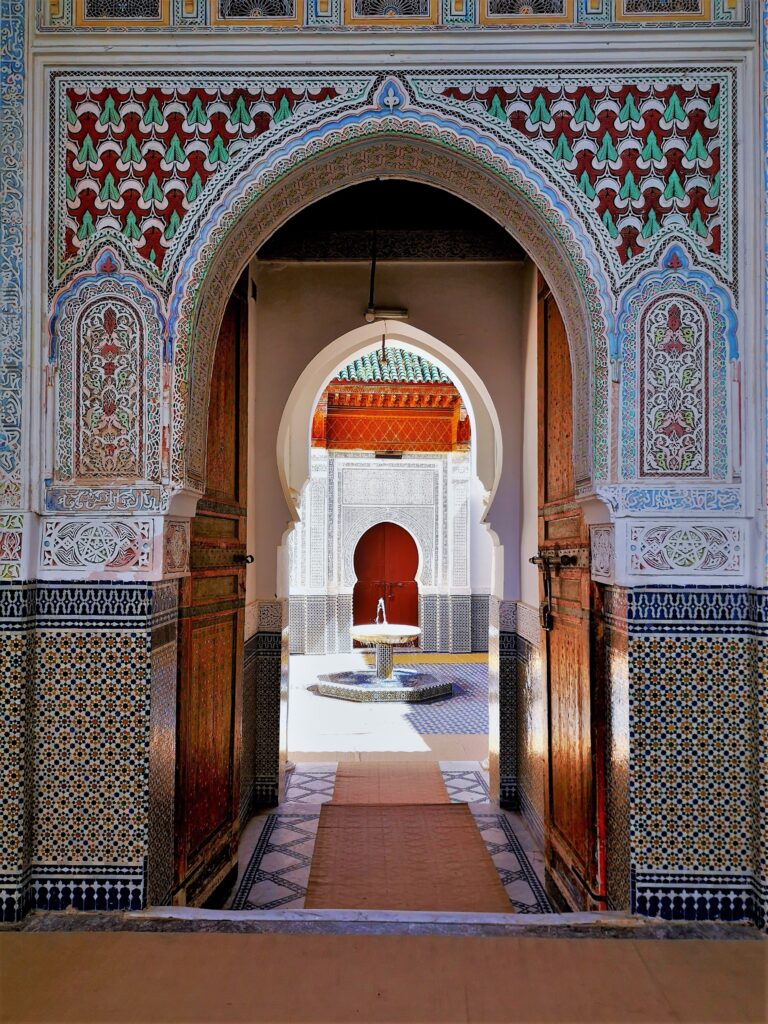
Fez became a durable urban center where political authority, migration, craft production, religious learning, and later institutional memory could gather. The foundation of early Fez in 789-808 gives readers a concrete route into the period.
Cities make state formation visible because they leave traces: buildings, neighborhoods, markets, institutions, names, and later memories.
That is why Fez is more useful than a founder story alone. Urban life makes process visible. Through Fez, readers can see migration, economic formation, institutional growth, and the later layering of memory around scholarship and legitimacy.
Al-Qarawiyyin and Memory
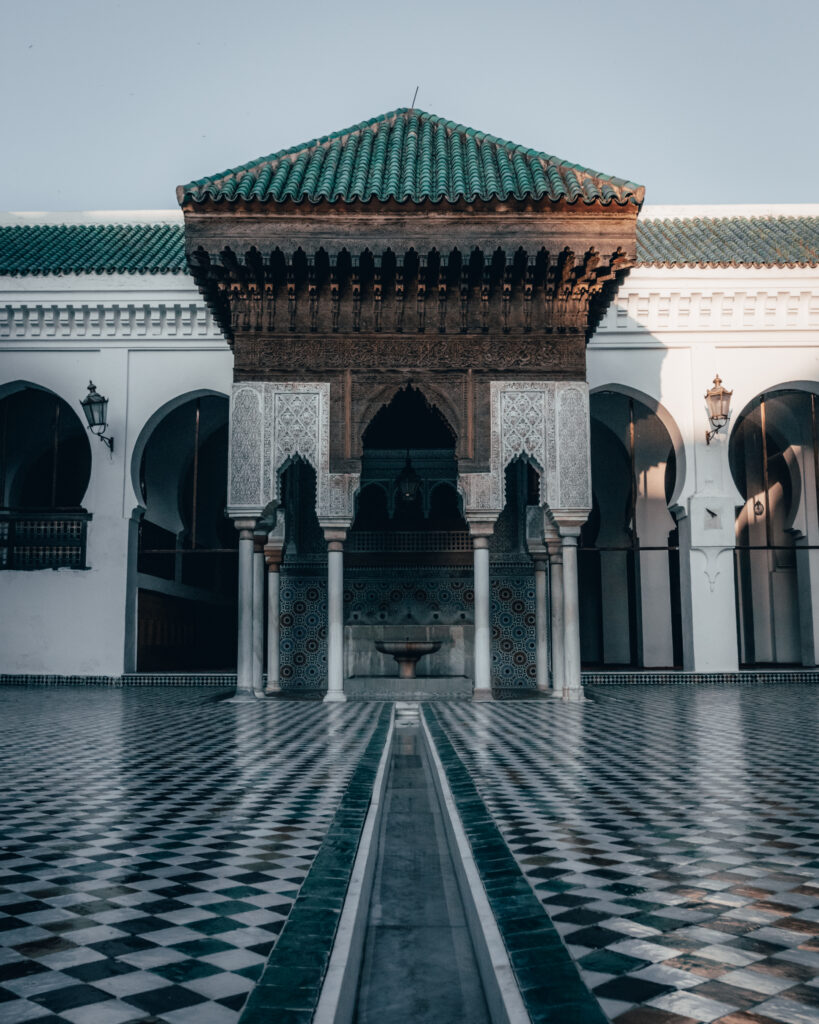
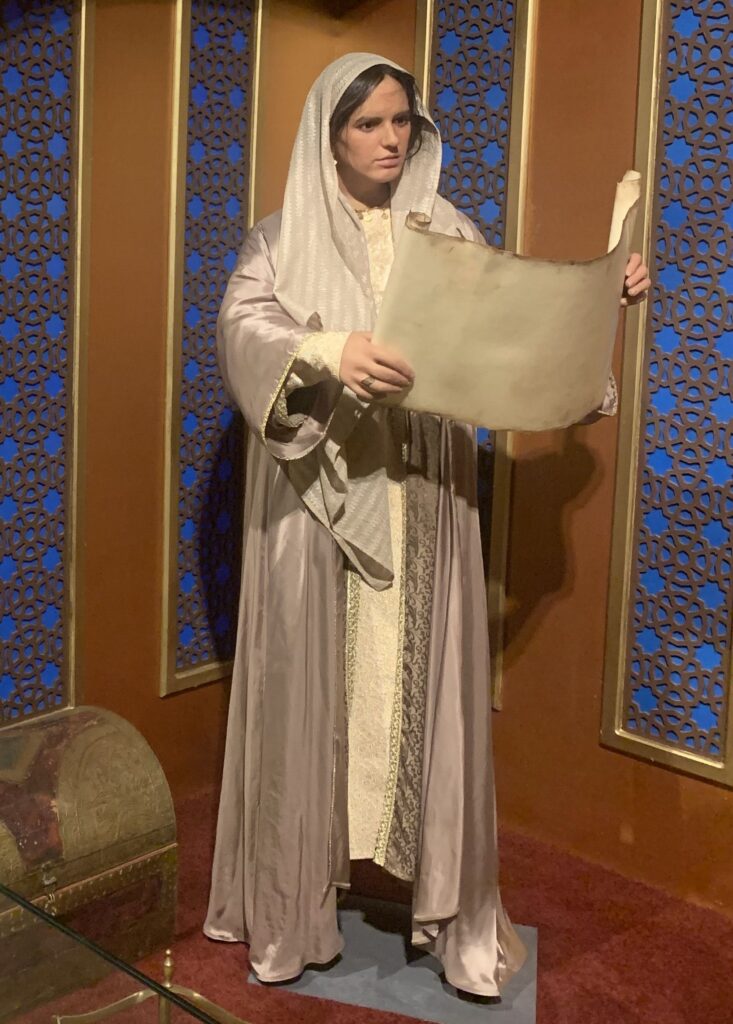
The al-Qarawiyyin tradition connects Fez to scholarship and institutional memory. Fatima al-Fihri is central to modern public interest in the story, but the founding tradition needs source-critical handling. Later memory can matter without making every detail equally certain.
This is one of the places where the page can teach historical method directly. Founding memory is not worthless because it is late; it is valuable in a different way. It tells us how institutions and communities later explained themselves, which is not always the same thing as what can be proven for the earliest phase.
What to Avoid
Avoid saying "Morocco" as if current borders, institutions, and identity categories already existed unchanged. It is safer to say "the western Maghreb," "early Fez," "Idrisid rule," or "places now in Morocco" when those are what the evidence supports.
Avoid, too, the opposite mistake of treating the period as too vague to matter. The point is not to dissolve early Maghrebi history into uncertainty. The point is to name the right scale and vocabulary for what the evidence can actually support.
What This Page Should Help Readers Do
After reading this page, a visitor should be able to:
- explain why Idrisid history matters for Maghrebi depth
- see Fez as an urban and institutional anchor
- distinguish early state formation from modern nation-state language
- handle al-Qarawiyyin and Fatima al-Fihri with source-critical care
Working Conclusion
The Idrisids and early Fez are essential because they give the Maghreb its own historical depth. They help readers see North Africa as a center of state formation, scholarship, and memory.