Editorial Summary
Fez, Marrakesh, and Kairouan mattered because western Islamic learning moved through cities, institutions, teachers, books, patrons, judges, travelers, and students. They were not only beautiful places or symbols of a golden age. They were working urban networks.
That is the key correction this page makes. "Center of learning" is often used like a medal rather than an explanation. A better page asks what kinds of institutions, patronage, legal traditions, urban density, and movement made learning possible in each city.
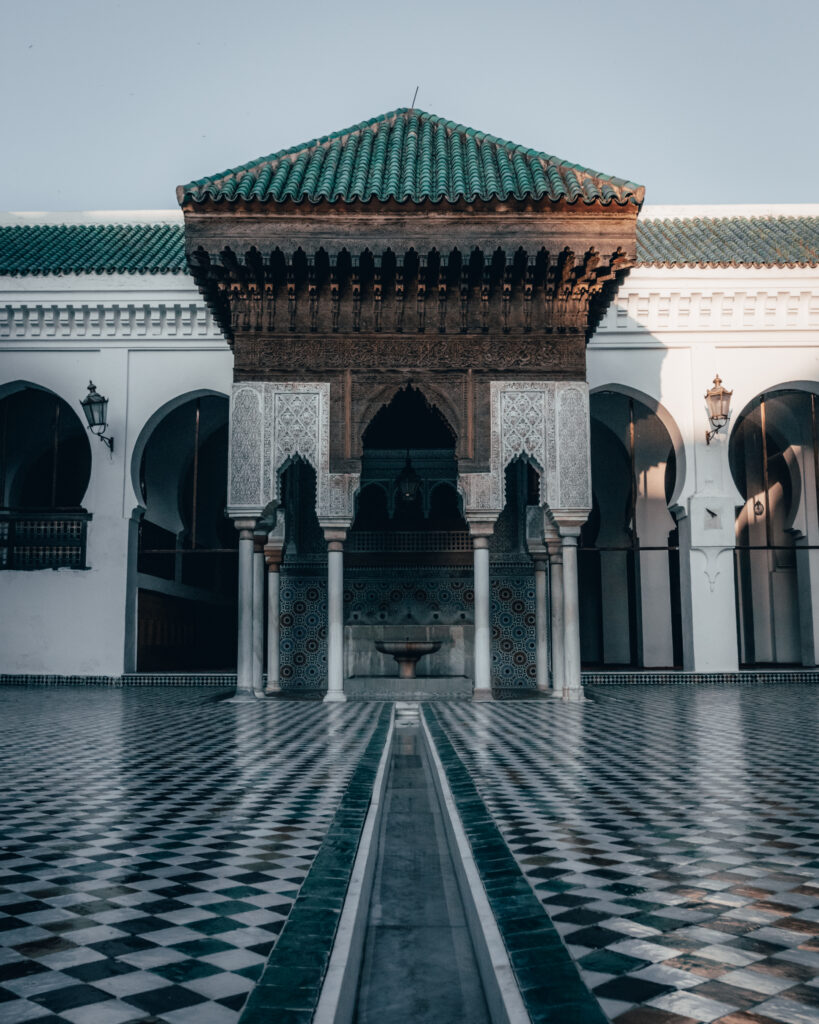
Fez and al-Qarawiyyin
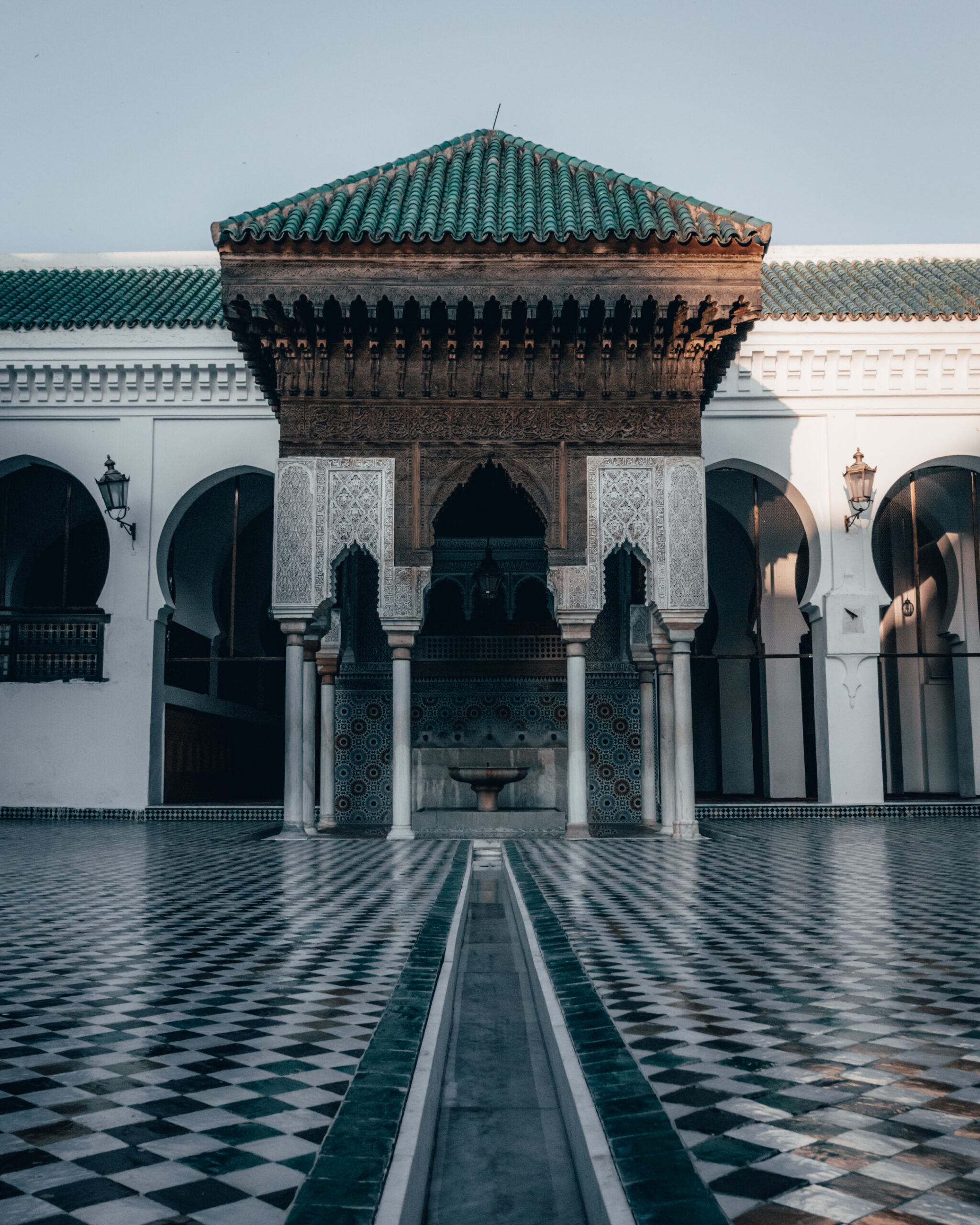
Fez became one of the major cities of the western Islamic world. Al-Qarawiyyin is central to its scholarly memory as mosque, teaching institution, and urban landmark.
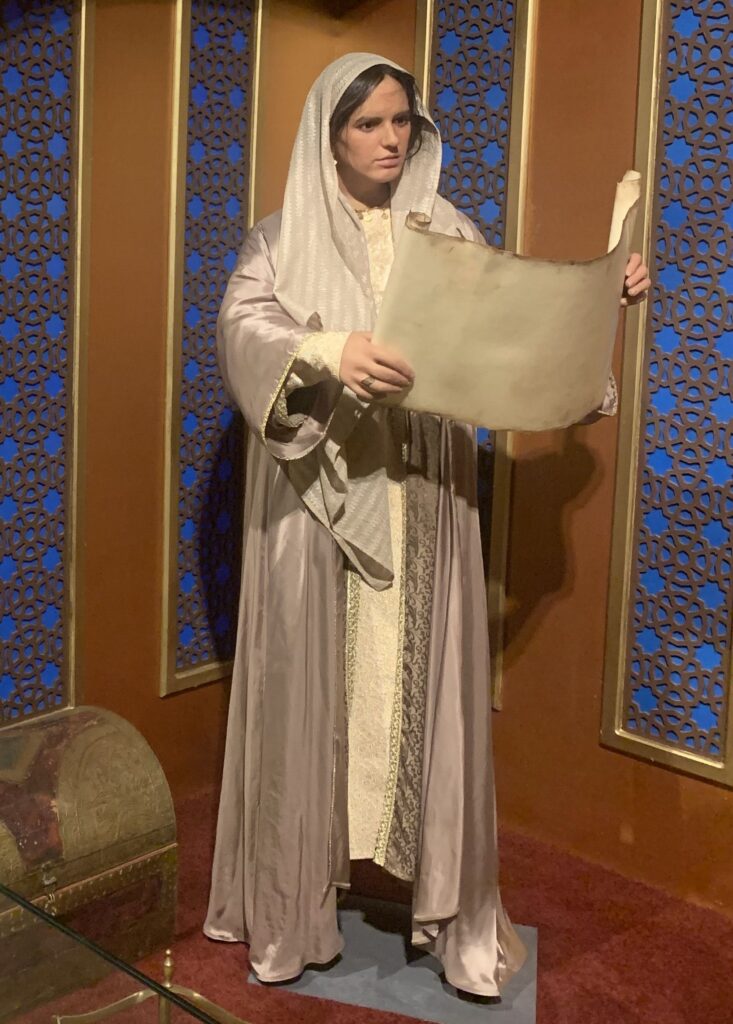
The Fatima al-Fihri founding tradition is important, but it should be handled carefully. Later memory can preserve meaningful identity and institutional pride without answering every early biographical question with certainty.
Fez matters not only because it had a famous institution, but because it concentrated migration, trade, teaching, and urban continuity. A strong page should treat the city and institution together rather than letting al-Qarawiyyin stand in for the whole urban history by itself.
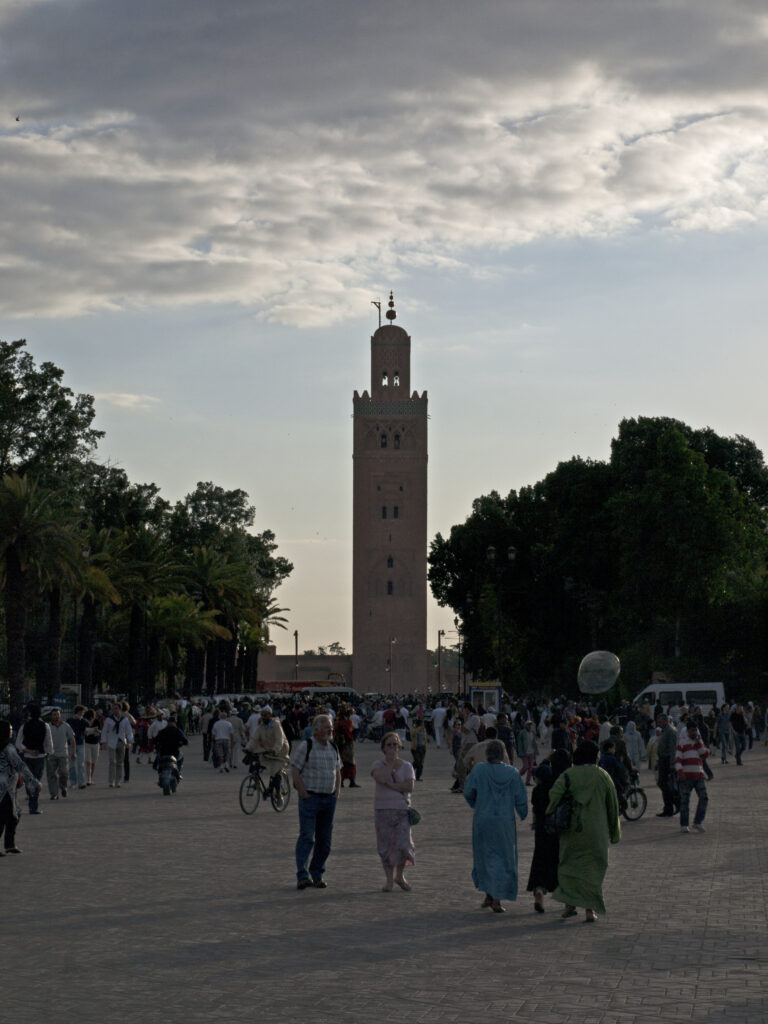
Marrakesh
Marrakesh was a political and intellectual center for Almoravid and Almohad power. Rulers, jurists, builders, traders, and scholars all helped make the city more than a capital on a map. It linked Saharan, Maghrebi, and Iberian horizons.
This is where the page can remind readers that political capitals are knowledge cities too. Courts, legal elites, and patronage networks matter for intellectual life. Marrakesh should not be read as only military or dynastic; it was also a place where rule and learning intersected.
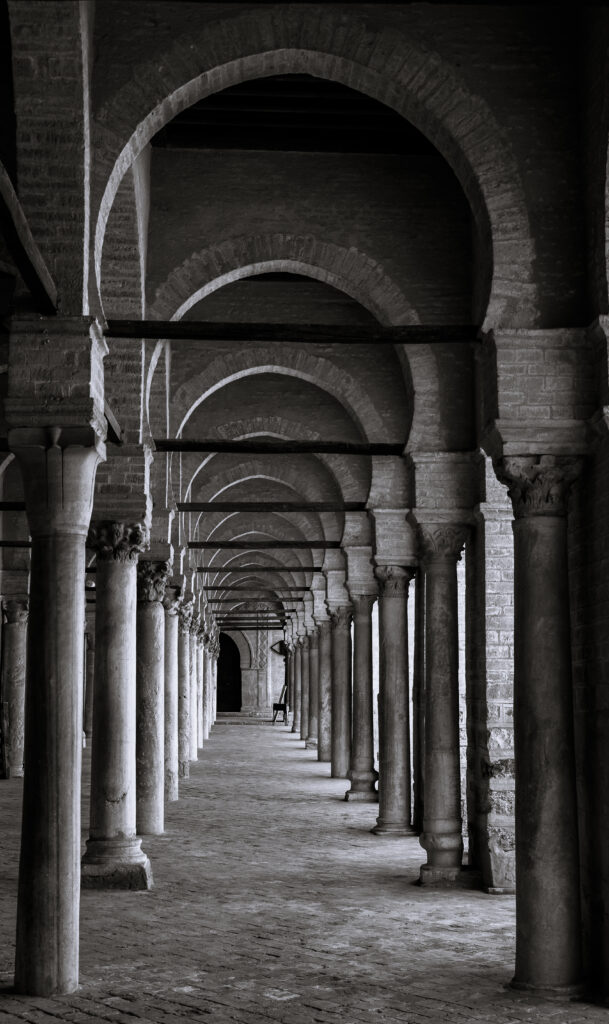
Kairouan
Kairouan was an older center of Islamic learning in North Africa. It belongs in Moor History Center because western Islamic scholarship did not begin in Iberia. Routes of learning moved across North Africa and into al-Andalus through teachers, texts, legal traditions, and travelers.
Kairouan is especially useful for breaking Iberia-first habits. It gives the reader a longer North African scholarly horizon and makes clear that Andalusi learning grew inside already-active western Islamic networks.
Knowledge Needs Infrastructure
Learning depends on more than genius. It needs mosques, libraries, teachers, endowments, judges, book markets, patrons, students, copyists, and travel routes. This is why cities matter: they concentrate the social systems that let knowledge survive and circulate.
That sentence is the page's real argument. If readers leave with only one thing, it should be that intellectual history is urban, social, and institutional. Cities of knowledge are not metaphors; they are systems.
Evidence Limits
Surviving records tend to favor scholars, institutions, rulers, and famous buildings. Ordinary students, women outside famous traditions, artisans, enslaved workers, and poorer neighborhoods are harder to reconstruct. That imbalance should stay visible.
The page should also be cautious not to treat these cities as equal in every period or function. Each had different strengths, rhythms, and political contexts. Grouping them together is useful for route-building, but the differences among them are part of the evidence.
What This Page Should Help Readers Do
After reading, a visitor should be able to:
- explain why knowledge needs urban infrastructure
- distinguish Fez, Marrakesh, and Kairouan without flattening them
- see al-Andalus inside a wider western Islamic scholarly world
- resist golden-age slogan language in favor of institutions and networks
Working Conclusion
Fez, Marrakesh, and Kairouan show that Moor history belongs to a wider western Islamic world. They help readers follow knowledge across the Maghreb and al-Andalus rather than trapping the story inside modern borders.