Editorial Summary
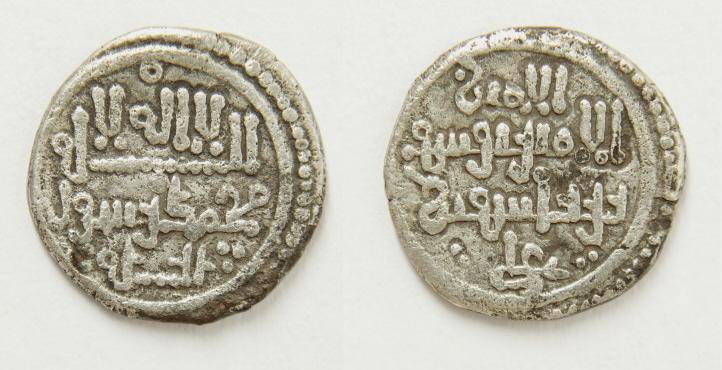
The Almoravids were empire builders whose history begins in the Sahara and Maghreb, not in Iberia. Their rise connected religious reform, trade routes, military organization, Marrakesh, and later intervention in al-Andalus.
Why the Sahara Matters
The Almoravid story is often introduced through the battle of Sagrajas or the takeover of the taifas, but that is only the Iberian chapter. Their movement drew strength from western Saharan and Maghrebi networks, where trade, pastoral communities, religious authority, and military organization intersected.
This matters because Moor history becomes distorted when North Africa is treated only as a launchpad for Iberian events.
Marrakesh and State Power
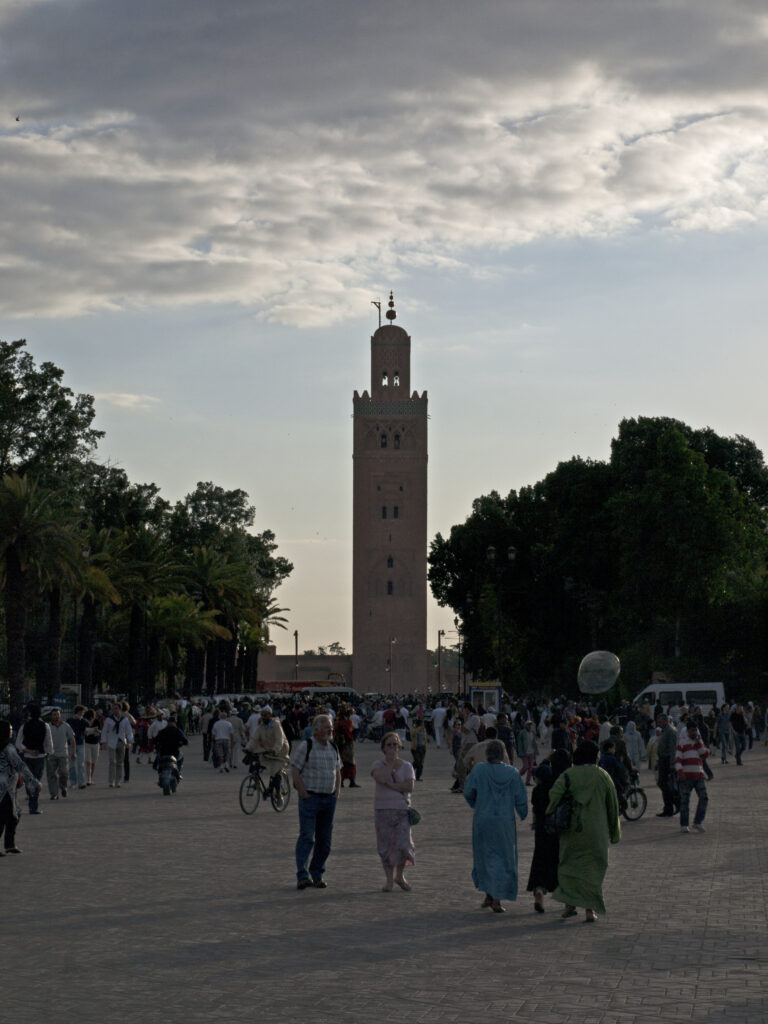
The founding of Marrakesh gave Almoravid power an urban and administrative center. From there, the dynasty could connect Saharan routes, Maghrebi politics, and Iberian affairs. Marrakesh was not a side note; it was one of the anchors that made the empire durable.
Intervention in al-Andalus
Taifa rulers facing Christian military pressure called on Yusuf ibn Tashfin. The Almoravid victory at Sagrajas in 1086 is a major turning point, but the later takeover of the taifas shows how quickly rescue, reform, and imperial rule could become intertwined.
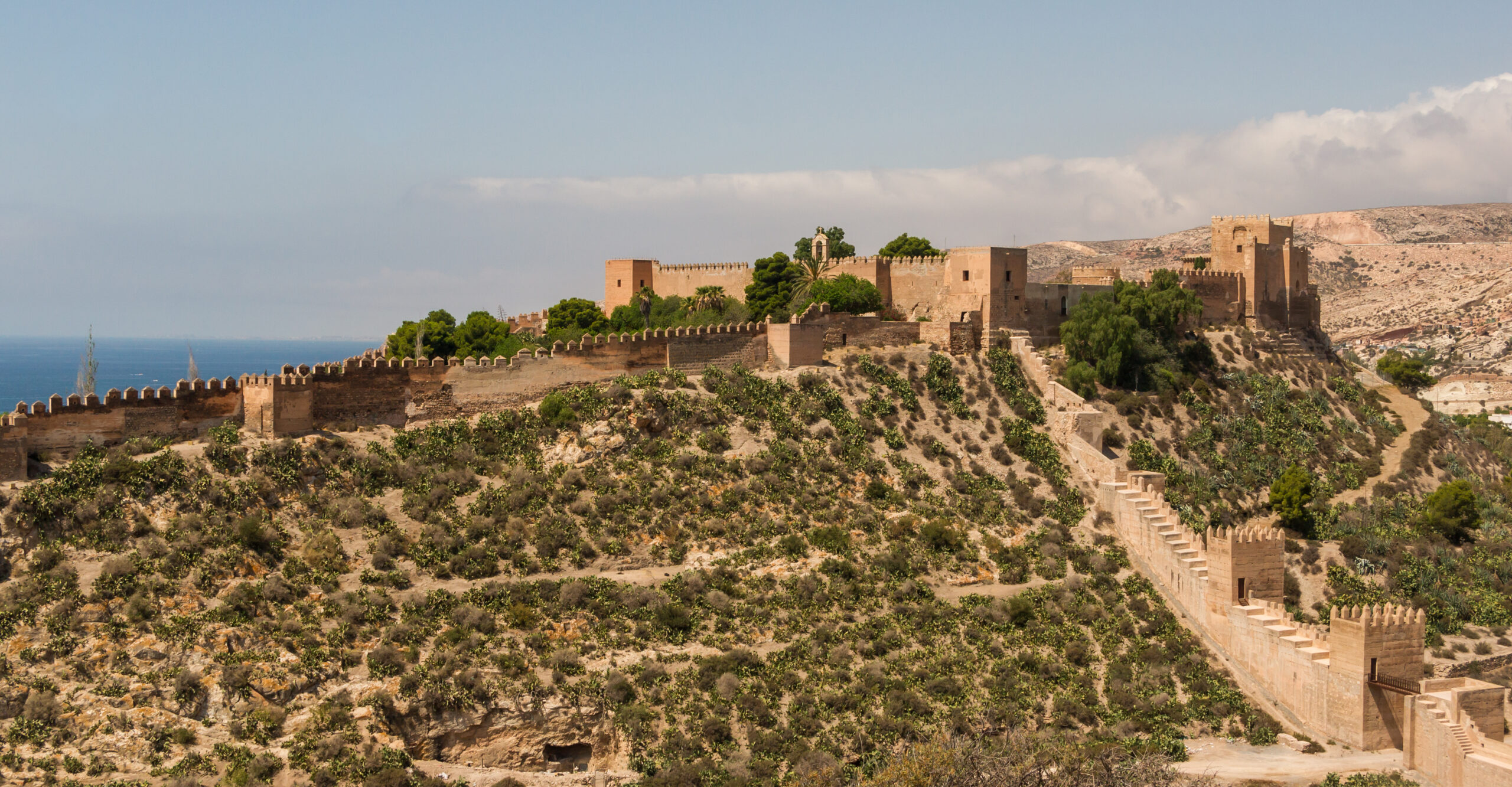
In Iberia, Almoravid rule changed the balance among local elites, jurists, military leaders, and outside imperial authority. It did not erase Andalusi society, but it did reframe who could claim legitimate power.
Evidence Limits
The surviving record makes rulers, battles, cities, and religious authorities easier to see than rural communities, enslaved people, women, or ordinary traders. A balanced account uses the imperial story without mistaking it for the whole society.
Working Conclusion
The Almoravids are essential because they make the Sahara and Maghreb visible as engines of Moor history. Their Iberian role only makes sense when their North African and Saharan foundations are kept in view.