Editorial Summary
Ceramics, metalwork, textiles, carved wood, ivory, and luxury surfaces help readers see Moor history beyond palaces and battles. They preserve trade, taste, workshop skill, patronage, technology, and everyday aspiration, but they also come with survival bias.
That survival bias is the real lesson of the page. Visitors often see museum objects and assume they are looking at the whole material world. In reality, they are usually looking at what lasted, what elites valued, or what later collectors chose to keep.
What Survives
Durable and valued objects survive better than fragile or ordinary ones. Ceramics and metal can last. Textiles, leather, wood, and paper often need special conditions, reuse, collection, or institutional preservation to survive.
That means museums may show the most beautiful objects while the material lives of poorer households remain harder to reconstruct.
This is one of the best places on the site to teach evidence humility. A polished surviving object is not only an artifact of production; it is an artifact of preservation, chance, and later collection.
What Crafts Can Prove
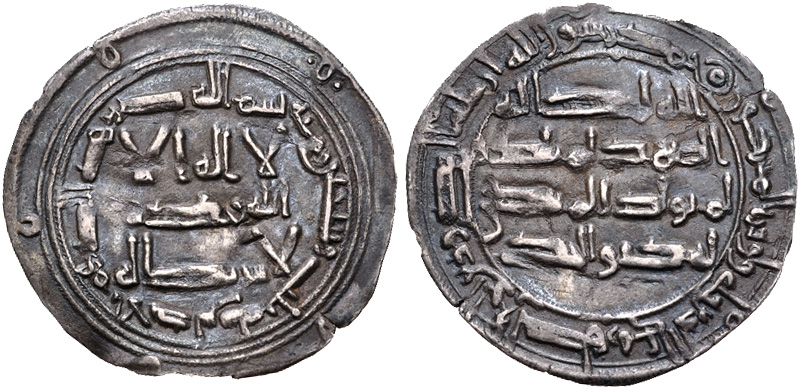
Objects can tell us about materials, workshop skill, patterns of taste, trade routes, courtly display, inscriptions, and cross-cultural borrowing. They can also reveal local production and imitation.
But an object alone rarely proves a sweeping claim about identity. A ceramic style may travel. A metal object may be traded, gifted, looted, inherited, or collected far from where it was made.
That is exactly why this page matters for content value. It gives readers a method for resisting the easy move from style to origin to identity. A careful material-culture page should slow each of those steps down.
Trade and Workshops
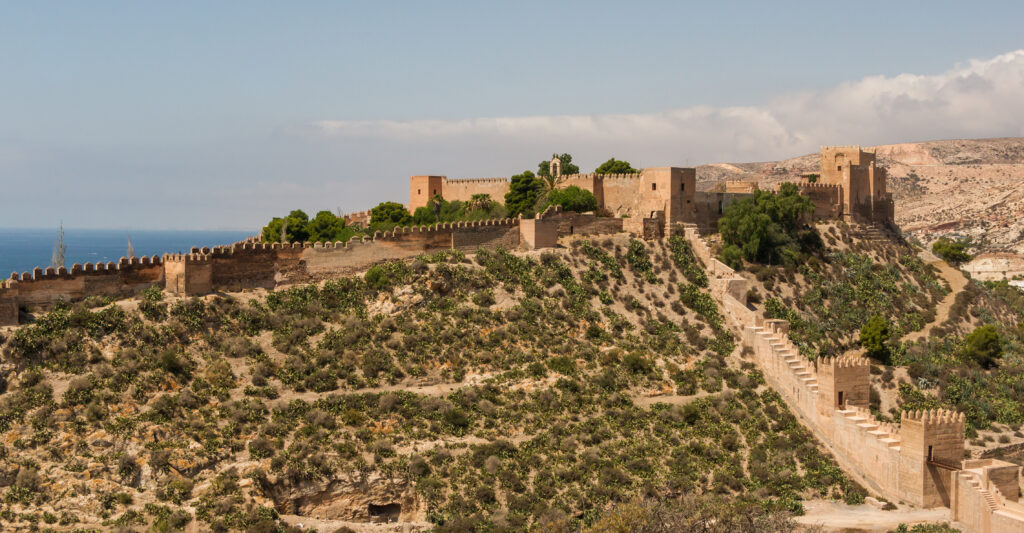
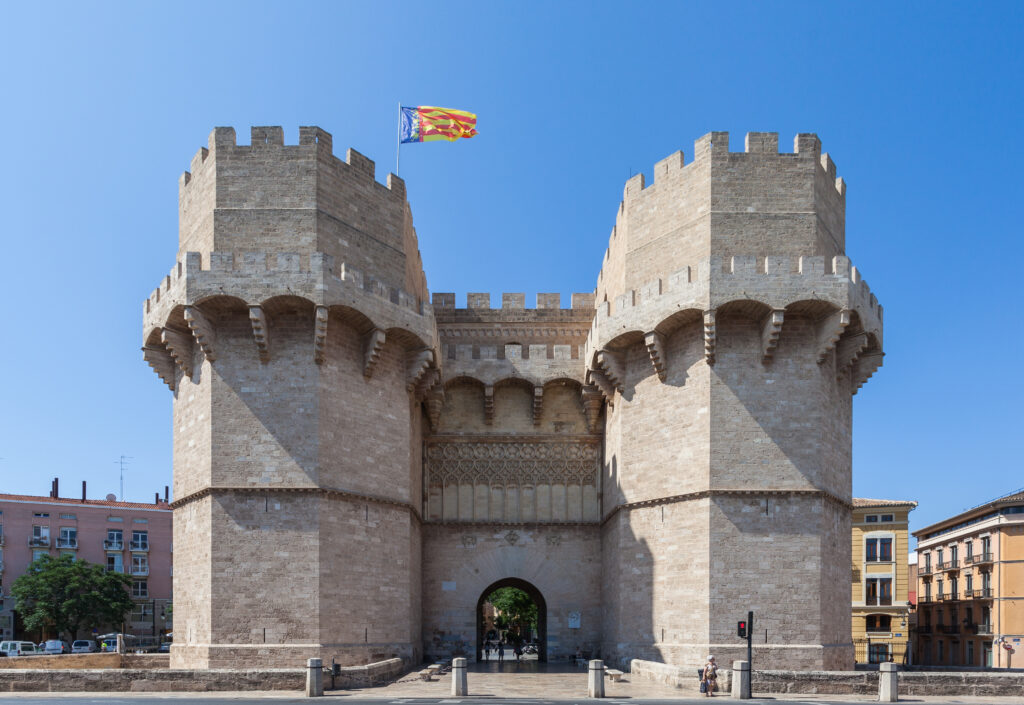
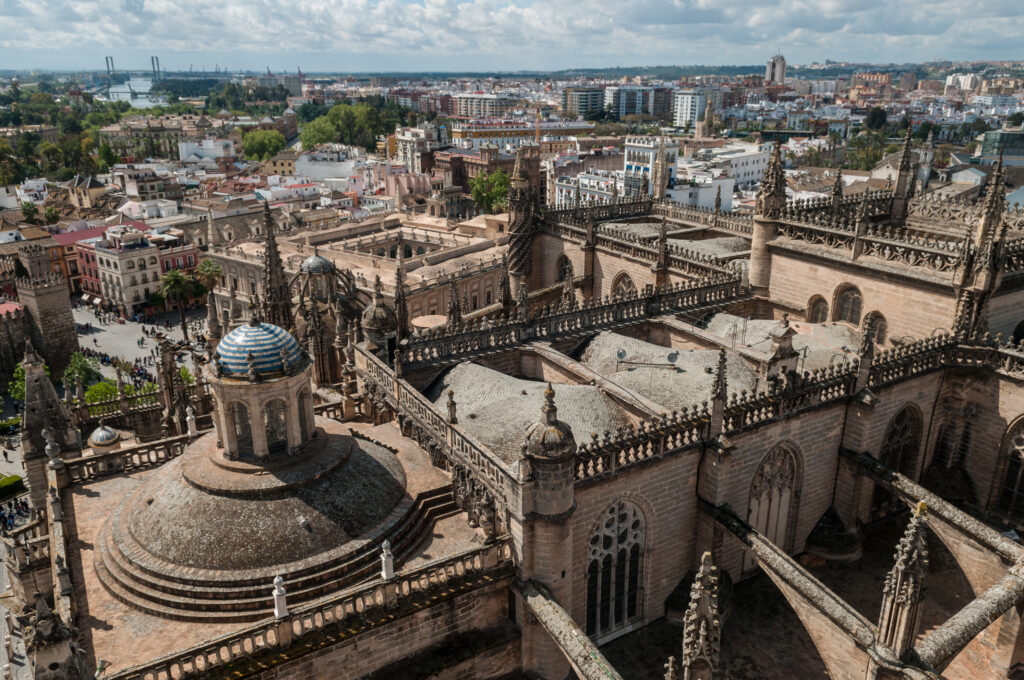
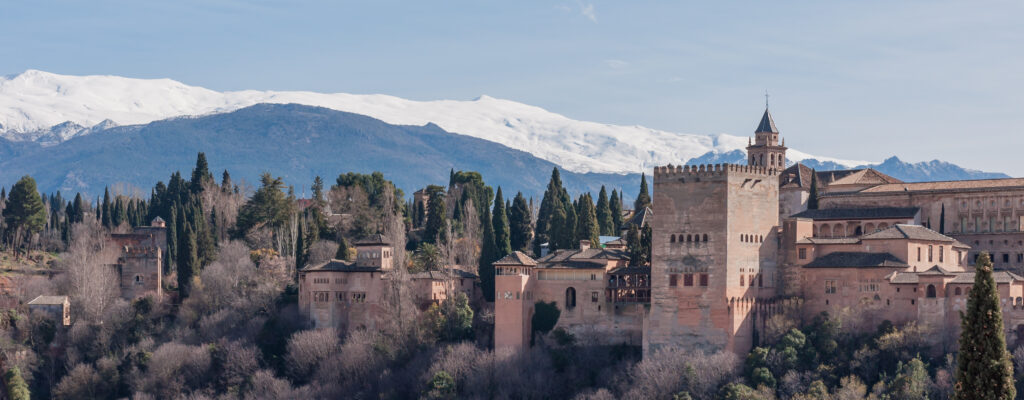
Ports and production centers linked Iberia, the Maghreb, the Mediterranean, and beyond. Almeria, Valencia, Seville, Granada, and other cities mattered not only as political places but as craft and exchange settings.
Workshops matter because they connect objects to labor. The site should not let luxury artifacts appear as if they emerged magically from "Moorish culture." They were made by named or unnamed workers, in places, under patronage, through supply chains, and for specific uses.
Reader Method
For each object, ask:
- What material is it made from?
- Where was it found, and where might it have been made?
- Is the attribution stylistic, documentary, archaeological, or traditional?
- Who likely used it: court, mosque, household, market, church, collector, or museum?
- What conservation or collection history affects what we see?
Then ask what is missing. Which materials decayed? Which users left fewer traces? Which ordinary objects were never collected? Those missing categories are part of the evidence too.
What These Objects Can And Cannot Prove
Luxury crafts can strongly support claims about patronage, taste, circulation, workshop skill, and material exchange. They are often excellent evidence for court culture, trade links, and artistic borrowing.
They are weaker when asked to prove civilizational essence, racial identity, or seamless continuity across regions and centuries. A strong page should keep the object specific before it becomes symbolic.
Working Conclusion
Luxury crafts keep the site visually rich, but their deeper value is evidentiary. They show systems of making, moving, using, preserving, and remembering objects.