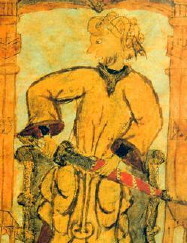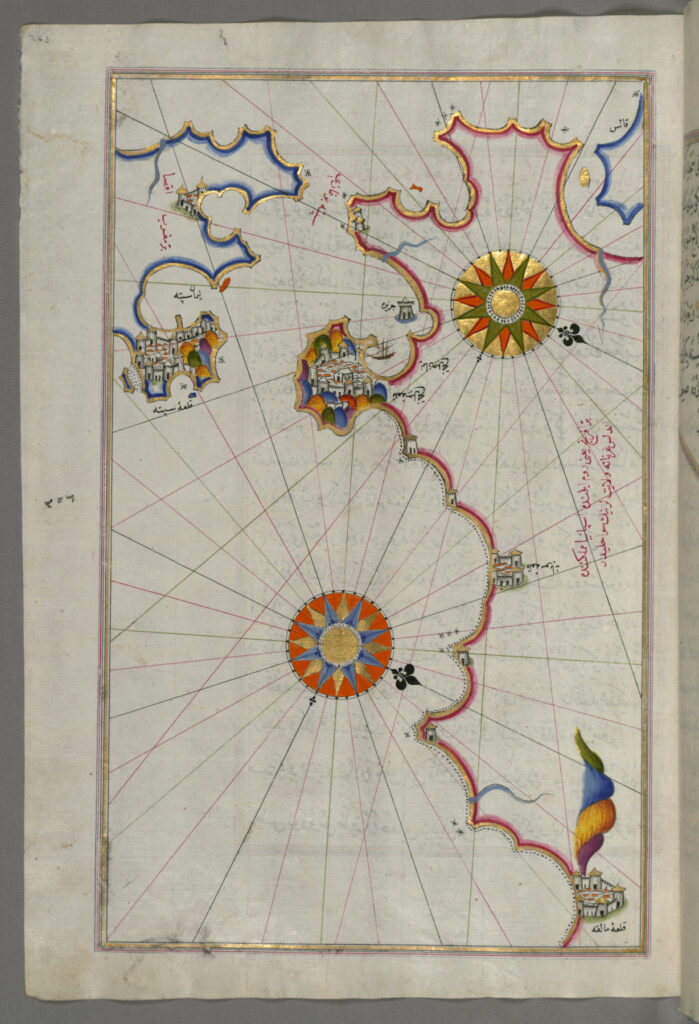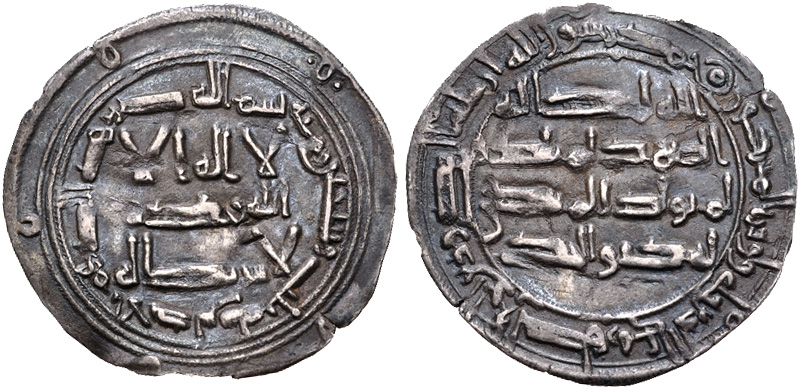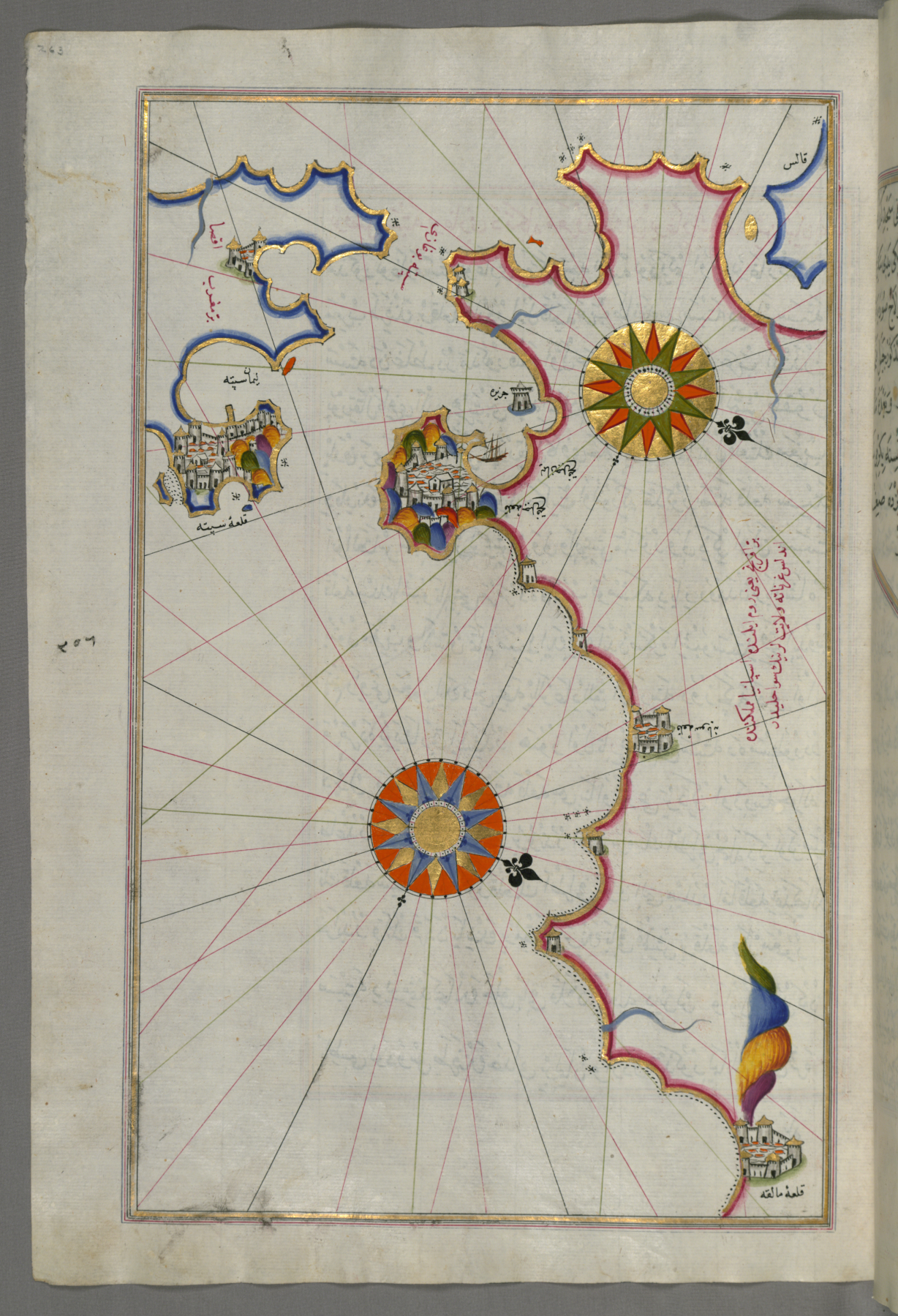
Editorial Summary
Al-Andalus did not appear fully formed in 711. The crossing associated with Tariq ibn Ziyad opened a new political era, but Muslim rule in Iberia became durable only through campaigns, treaties, settlement, elite bargains, taxation, local resistance, and the later Umayyad emirate centered in Cordoba.
The Basic Timeline
The usual starting point is the 711 crossing and the defeat of Visigothic forces. That moment matters, but it is only the beginning. Muslim commanders and local authorities then had to secure cities, manage surrendered communities, negotiate local arrangements, and connect Iberia to wider Umayyad and North African politics.
The Treaty of Tudmir in 713 is useful because it shows conquest was not only battlefield victory. It also involved negotiated submission, local continuity, taxes, protection arrangements, and new political authority.
From Campaigns to Government
Early al-Andalus moved through a governor period before the Umayyad emirate. This matters because a military breakthrough is not the same thing as a stable state. Rulers needed fiscal systems, urban centers, appointments, alliances, and ways to manage Muslims, Christians, Jews, local elites, incoming settlers, and North African groups.
Cordoba eventually became the most important political center. That centrality was not automatic in 711; it grew through administration, elite competition, and the later success of Abd al-Rahman I.
Who Was Involved?
The early story includes Arab and Berber/Amazigh forces, Iberian converts, Visigothic elites, Christian communities, Jewish communities, enslaved and freed people, and later Umayyad refugees. A careful account should not treat "the Moors" as one uniform group moving as one body.
Use the more precise labels when the evidence allows: Arab lineages, Berber-speaking groups, Andalusi converts, Umayyad clients, local elites, or Christian and Jewish communities under new rule.
Evidence Limits
The conquest is one of the most narrated parts of al-Andalus, but many narratives were written later. That does not make them useless. It means they should be compared carefully, especially when a story is being used to prove a modern identity claim or a simple moral lesson.
Good questions include: who wrote the account, how long after the events, what political argument it served, and whether other evidence supports the detail.
Why 756 Matters
In 756, Abd al-Rahman I established the Umayyad Emirate of Cordoba. This did not end conflict, but it gave al-Andalus a durable ruling center and a dynastic structure that shaped later history.
Working Conclusion
The formation of al-Andalus was a process. The 711 crossing began a new era, but consolidation took decades. Readers should follow the route from crossing, to treaty, to local rule, to the Umayyad emirate.