Editorial Summary
The Maghreb was not a backdrop to Iberian history. This hub follows North African dynasties, cities, reform movements, Sahara connections, and intellectual traditions as forces with their own political and cultural gravity.
How to Use This Hub
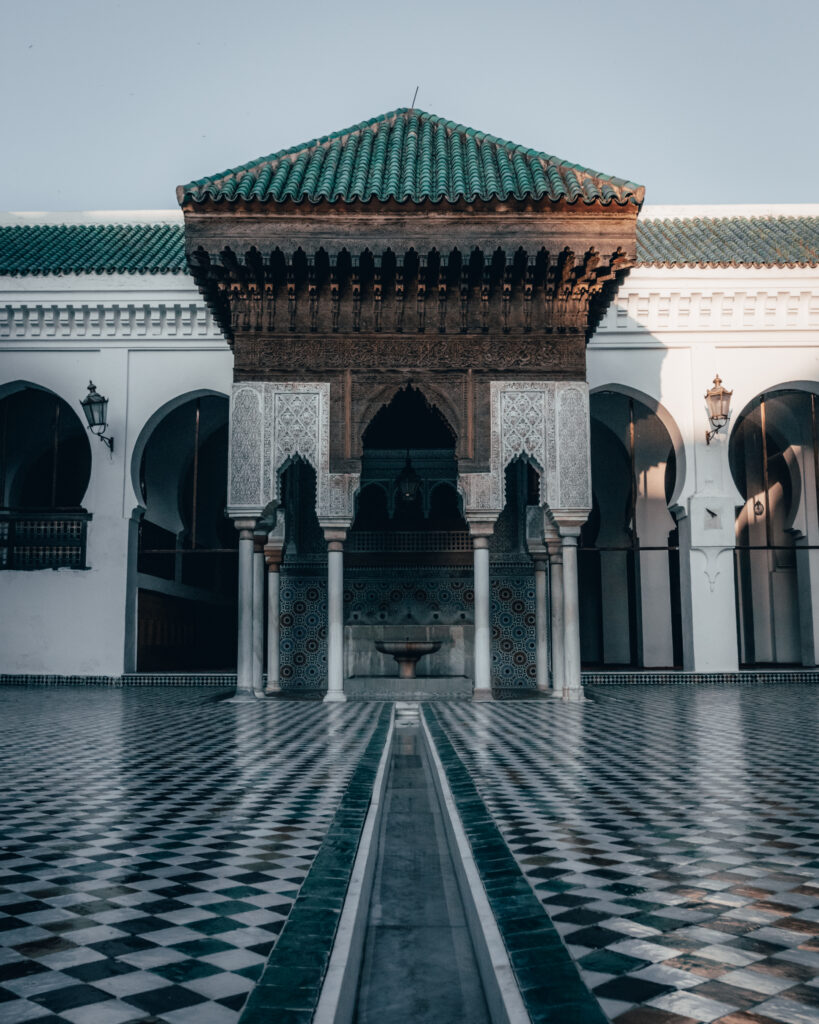
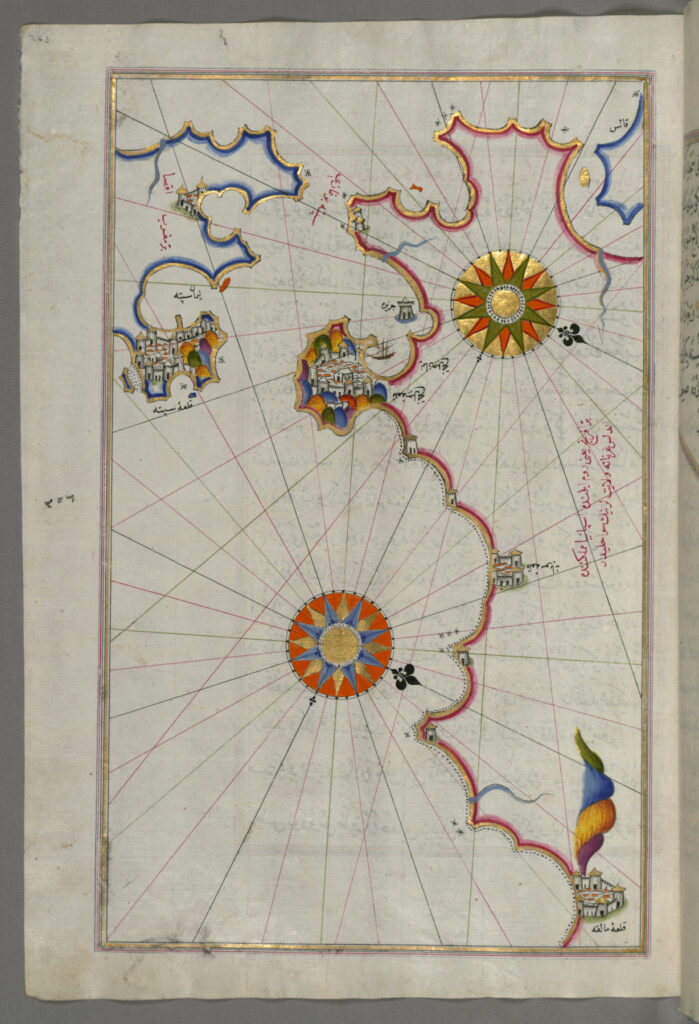
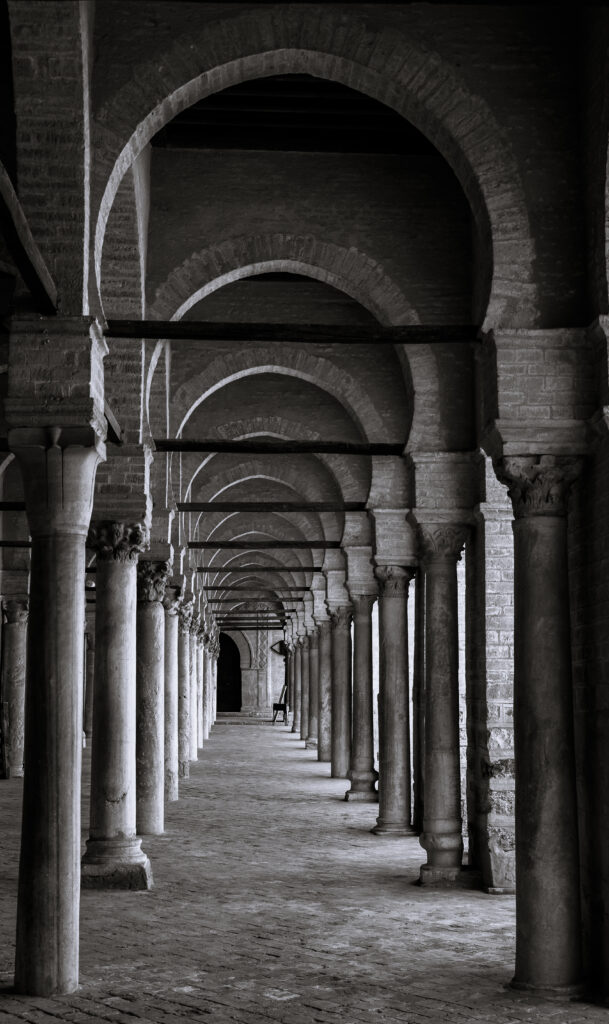
Begin with the pre-Andalusi Maghreb and early Morocco, then follow the Almoravids, Almohads, Marinids, Fez, Marrakesh, Kairouan, and al-Qarawiyyin. Use Iberian links as connections, not as the whole story.
Core Frame
This topic connects Iberia to the Maghreb and Sahara. Western Islamic history cannot be understood if North Africa is treated as background scenery.
Choose a Route
Start Before Iberia
Build the North African context before following dynasties across the Strait.
Follow Imperial Movements
Trace reform, expansion, urban power, and the Iberian connections of major Maghrebi dynasties.
Use Cities as Anchors
Fez, Marrakesh, and Kairouan help connect scholarship, trade, dynasties, and regional identity.
Reader Cautions
Do not reduce Maghrebi movements to invasions of Iberia; many had deep local, religious, commercial, and political histories.
Questions This Hub Answers
- Which dynasty or movement is involved?
- What linked the Maghreb, Sahara, and Iberia?
- How did religious reform and state power interact?
Best Next Steps
Read the Almoravid and Almohad routes before the Iberian intervention pages. Follow city records when you want to see how state power, scholarship, and trade met on the ground.
Editorial Position
Moor History Center treats the Maghreb as a center of history, not just a source of dynasties that entered Iberia.