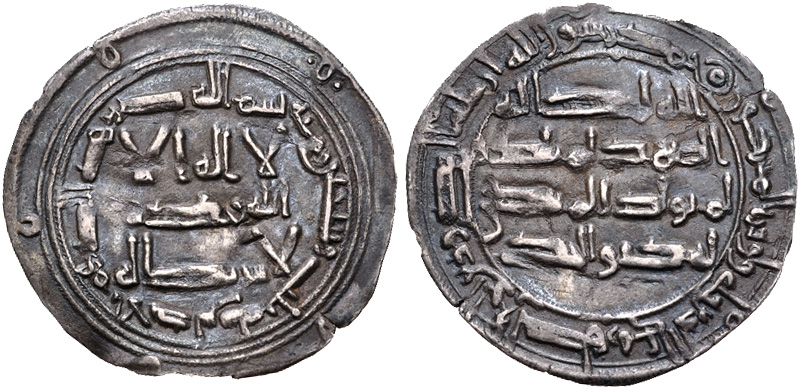

Event Summary
Abd al-Rahman I established an Umayyad emirate in Cordoba.
What Happened
After the fall of Umayyad power in the eastern Islamic world, Abd al-Rahman I established an independent Umayyad emirate in Cordoba. The move did not make al-Andalus a caliphate yet, but it gave the region a durable dynastic center.
Cordoba became the political anchor for rulers who had to manage rival elites, regional interests, frontier conflict, and ties across the western Mediterranean. Material traces such as coins and monuments help connect the political claim to everyday administration.
Why It Matters
This event shifts the story from conquest to state formation. It explains how al-Andalus became more than a province or battlefield: it acquired a ruling house, a court, administrative routines, and a capital whose influence would grow for generations.
It also gives readers a cleaner way to periodize the early history. Without 756, the opening decades of al-Andalus can look like one long blur after 711. The establishment of the emirate shows when western Umayyad rule took on a more durable political shape and why Cordoba became central to later memory.
What Changed
The political center moved toward Cordoba, and Umayyad legitimacy became a local western claim rather than only an eastern memory. Later Cordoban rulers built on this foundation when they expanded monuments, patronage, and eventually caliphal ambition.
That did not eliminate instability, but it changed the scale of the project. The emirate made possible more regular administration, court politics, and dynastic continuity. In that sense, it is less a single triumphant moment than the start of a new governing framework.
Evidence Frame
The broad chronology is well established, but court narratives can simplify messy consolidation. Treat the emirate as a process of rule-building, not a single switch flipped in 756.
Readers should also avoid letting later caliphal grandeur obscure how contingent the earlier emirate stage was. The strength of Cordoba in later memory can make 756 look inevitable in retrospect. Strong interpretation keeps the earlier uncertainty visible and treats state formation as something that had to be built, negotiated, and defended.
What This Event Should Teach
This event should teach readers to distinguish conquest from durable rule. The emirate mattered because it turned earlier military entry into a more stable political project with institutions, legitimacy claims, and administrative continuity. That is the difference between opening a territory and governing it.
Related Reading
- The formation of al-Andalus after 711.
- Abd al-Rahman I and the early Umayyad state.
- Cordoba, the Great Mosque, and later caliphal expansion.