
Event Summary
Portugal captured Ceuta, opening a new phase of Iberian expansion into North Africa.
What Happened
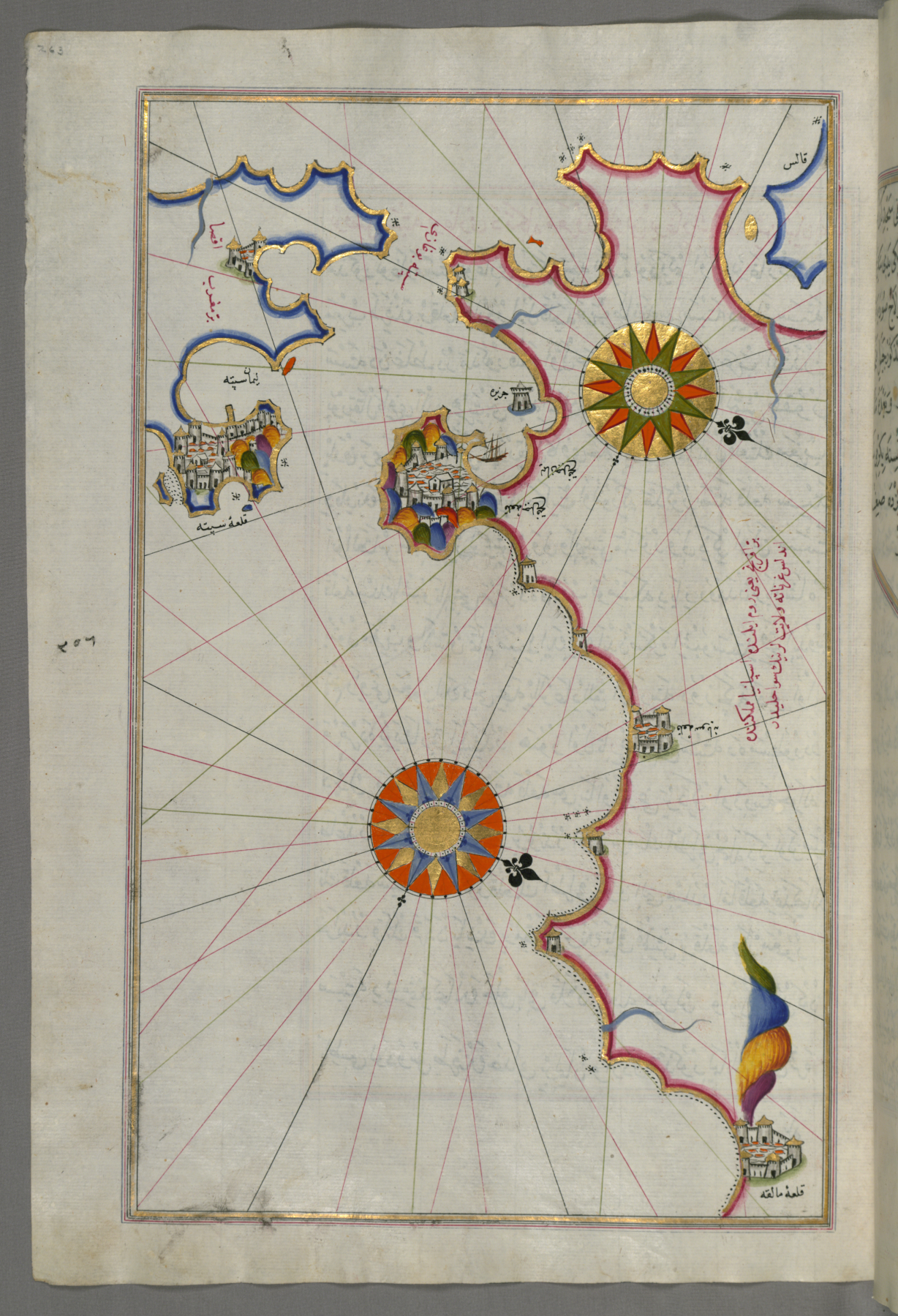
In 1415, Portuguese forces seized Ceuta, a key port at the Strait of Gibraltar. The operation was part of a new strategic direction that connected Iberian military ambition to North African coastal control and Atlantic-commercial expansion.
Ceuta was not only a symbolic conquest. Its position mattered for shipping, intelligence, and regional trade networks. The capture shows how late medieval Iberian politics increasingly projected power across the strait.
That cross-strait dimension is the point readers most often miss. Ceuta should not be treated as a footnote after "the Reconquista" or as a simple preview of later overseas empire. It belongs to a transitional moment when Iberian, Maghrebi, Mediterranean, and Atlantic calculations were beginning to intersect more tightly.
Why It Matters
This event sits at the hinge between late Andalusi history and early Portuguese imperial expansion. It helps readers move from "end of Muslim rule in Iberia" narratives toward a broader western Mediterranean and Atlantic frame.
It is also one of the clearest reminders that Moorish history does not stop at the shoreline. The capture of Ceuta changed the strategic relationship between Iberia and the Maghreb, and it shows how political pressure could move outward even before Granada fell in 1492.
What Changed
Ceuta shifted into Portuguese control and became a long-term foothold in North Africa. The capture altered security calculations for Maghrebi polities and contributed to a new era of cross-strait militarized competition.
It also changed the practical relationship between coastal intelligence, shipping control, and dynastic legitimacy on both shores of the strait. These governance effects are as important as the initial military success.
Readers should therefore see 1415 as more than a conquest date. It marks a strategic reorientation in which port control, information gathering, and maritime projection became increasingly central to western power politics. The event matters because it rearranged the geography of pressure, not only because one city changed hands.
Evidence Frame
The conquest is well documented. What needs care is interpretation: Ceuta was one major step in a longer process, not a self-contained origin of all later colonial outcomes.
Strong interpretation also keeps together military, commercial, and symbolic dimensions. Ceuta was valuable as a port, as a prestige conquest, and as a node in wider regional competition. Reducing the event to only crusading zeal or only commercial opportunism oversimplifies the evidence.
What This Event Should Teach
This event should teach readers to follow the strait as a political system. Ceuta makes clear that late Moorish history, Maghrebi history, and early Iberian expansion cannot be kept in sealed boxes. Control of one port could alter trade, intelligence, legitimacy, and military planning across multiple regions at once.
Related Reading
- Port-city economics and strategic chokepoints.
- Late Nasrid and Maghrebi regional pressures.
- Long-run transitions from medieval frontier warfare to Atlantic expansion.