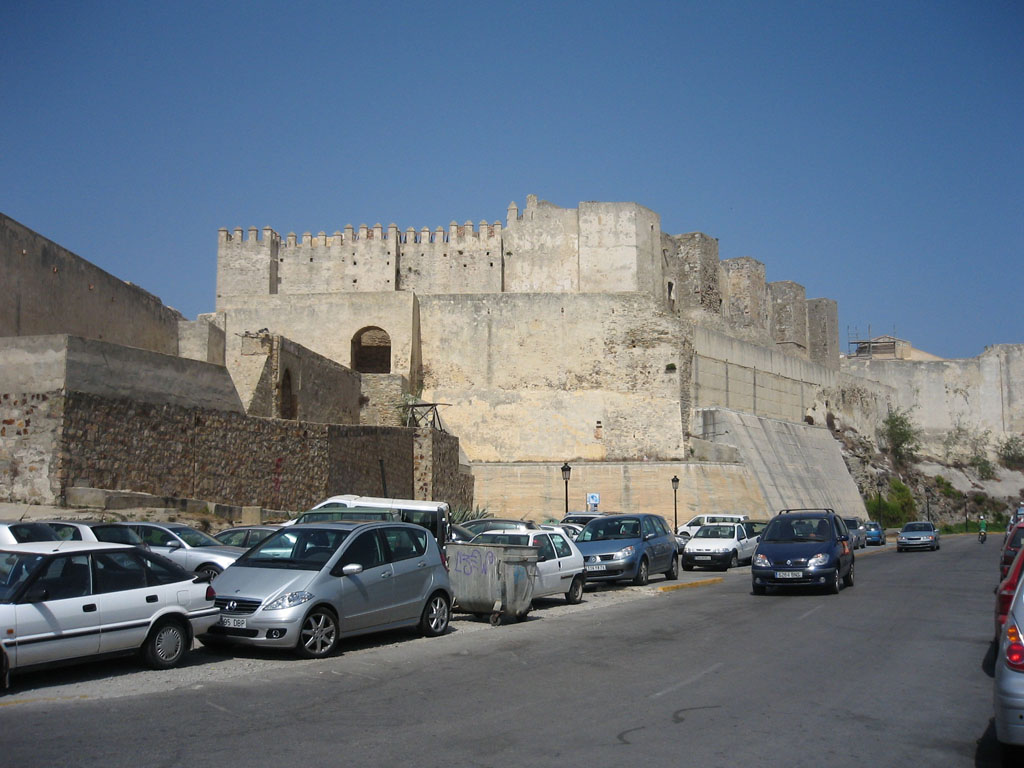

Event Summary
Castilian and Portuguese forces defeated Marinid and Nasrid forces.
What Happened
In 1340, forces of Castile and Portugal defeated a coalition led by the Marinids of North Africa and allied Nasrid Granada near the Rio Salado, close to Tarifa. The battle followed sustained pressure around the Strait and reflected how Iberian and Maghrebi politics were tightly linked in the fourteenth century.
The defeat reduced the immediate prospect of large-scale Maghrebi military intervention in Iberia. Nasrid Granada remained in place, but with narrower strategic options and greater need for calibrated diplomacy.
Why It Matters
Rio Salado is a major late-medieval turning point for readers tracking the long arc from surviving Muslim polities to the eventual fall of Granada. It shows that Nasrid endurance depended on maneuver, alliance, and timing, not on uninterrupted military parity.
It also matters because it keeps the Strait in the story. The battle was not only a peninsular confrontation. It reflected the continued importance of Marinid involvement, cross-strait logistics, and the way Nasrid survival remained connected to Maghrebi relationships even in the fourteenth century.
What Changed
The Christian coalition gained stronger leverage over the Strait zone and over future regional bargaining. The battle did not end Nasrid rule, but it altered the military balance that framed Granada's later diplomacy and vulnerability.
Readers should therefore treat Rio Salado as a narrowing event rather than an ending event. Granada remained politically alive, but the strategic room around it contracted. That distinction matters because it explains how a polity can continue for generations after a defeat while still becoming more exposed over time.
Evidence Frame
The event is well documented, but it should not be treated as a single inevitable prelude to 1492. The stronger claim is narrower: Rio Salado shifted strategic conditions in ways that constrained later Nasrid options while leaving room for continued political adaptation.
It also helps to resist teleology here. Because readers know Granada eventually falls, every late battle can start to look like a direct countdown. Strong interpretation avoids that flattening and asks what Rio Salado changed in 1340 before connecting it to later outcomes.
What This Event Should Teach
This event should teach readers to distinguish defeat from immediate disappearance. Rio Salado mattered because it reduced strategic flexibility, not because it instantly ended Nasrid rule. That is the pattern readers need if they want to understand the long late-medieval survival of Granada.
Related Reading
- Nasrid survival strategies after major battlefield losses.
- The Strait of Gibraltar as a military and diplomatic corridor.
- Why one decisive battle rarely ends a political system immediately.